

1. Event summary
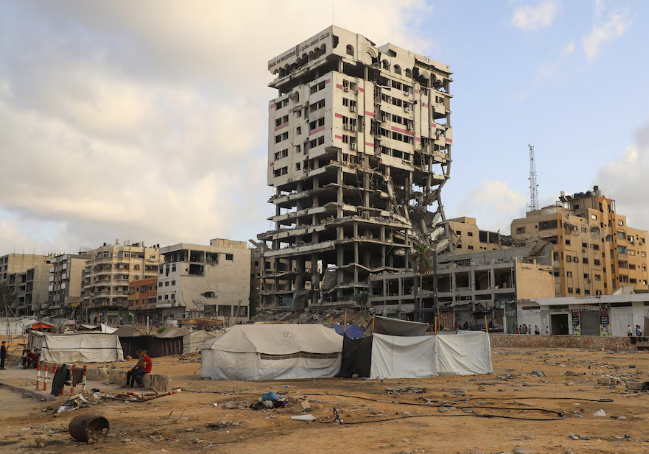
Hamas officials arrived in Egypt on October 5 to prepare talks with Israel. The US hopes the talks will lead to a ceasefire in Gaza and the release of hostages. Israel’s negotiating team, led by Strategic Affairs Minister Ron Dermer, planned to go to Sharm El-Sheikh on October 6 to discuss freeing hostages. This is part of US President Donald Trump’s 20-point plan to end nearly two years of war in Gaza. US Secretary of State Marco Rubio said the next few days are critical and added that “through technical talks and logistics, we will soon know if Hamas is serious.” The talks involve the possible release of the remaining 48 hostages in Gaza, of whom 20 are reported alive.
Trump said on October 5 the talks were moving quickly and that “the first phase should be completed this week. I asked everyone to move fast.” However, Israeli strikes continued and at least 19 people were killed on October 5. Negotiators aim for a full agreement to avoid the failures of past staged approaches. The war began after Hamas attacked Israel on October 7, 2023, which killed about 1,200 people and took 251 hostages. Israel’s response has killed over 67,000 people in Gaza, mostly civilians, and has increased Israel’s international isolation.
2. Reactions
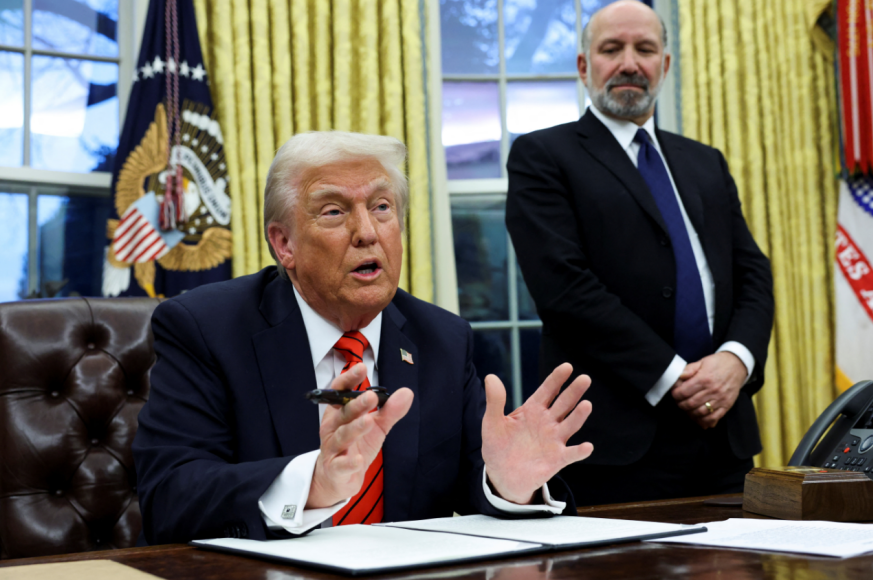
Trump called the talks “very positive” and urged fast action to avoid “large-scale bloodshed.” Rubio said talks “must not be delayed by weeks or days” and wants quick progress. Israel’s markets reacted positively: the shekel hit a three-year high versus the dollar and the Tel Aviv stock market reached record levels. A resident, Gil Sheli, said people feel hope for the first time in months. Opposition leader Yair Lapid said he will give political cover to help the plan succeed.
Some Israeli far-right figures oppose stopping the campaign in Gaza. Finance Minister Bezalel Smotrich called a halt a “grave mistake” and, with National Security Minister Itamar Ben-Gvir, warned they might try to topple Prime Minister Netanyahu’s government if the war ends. Displaced Gaza resident Ahmed Asaad said Trump’s plan brings hope but little change on the ground. Hamas has avoided agreeing to disarmament and other key issues.
3. Market impact analysis
- Short-term easing may lower safe-haven demand
If talks make progress and the war ends with hostage releases, the Middle East risk premium may fall. This would reduce gold’s safe-haven appeal and could lead investors back to risk assets, causing a pullback in gold. But if talks fail or attacks continue, gold would likely rally again.
- International divisions raise diplomatic uncertainty
Hamas’s avoidance of key items and pressure from Israel’s far right increase diplomatic risk. More countries recognizing Palestine or disagreeing with US-Israel moves could push sovereign funds to add gold as a hedge, creating steady buying.
- Gaza deal progress and energy risks
A deal with ceasefire and rebuilding could ease the humanitarian crisis. But Hamas resistance, settlement moves, and possible energy disruptions could prolong uncertainty, raise inflation expectations, and boost gold’s inflation-hedge appeal.
4. Technical analysis
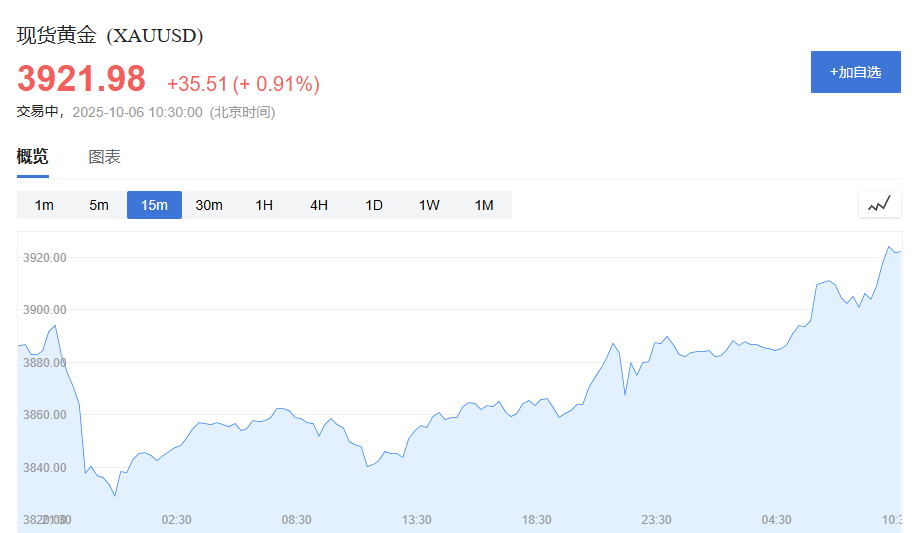
Beijing time 10:30 on October 6, spot gold was $3,921.98 per ounce, up nearly 1% on the day. It has broken the $3,920 level. Short-term support is around $3,880/oz. After the break above $3,920 there could be profit-taking and a short dip, but the overall trend is up and gold could reach $4,000/oz by year end.
5. Outlook
- Egypt talks result
If Monday’s technical talks in Cairo succeed, the first phase of hostage exchange could speed up and press gold lower in the short term. If Hamas holds firm or Israel’s far-right blocks progress, the breakdown would raise uncertainty and support gold.
- Arab and international involvement
If Egypt and Qatar win broader support from Saudi Arabia and others, the deal could widen and ease tensions. If attacks continue or sanctions increase, US-EU divisions may deepen and support gold over the medium term.
- UN and diplomatic moves
More countries pushing for Palestinian recognition would raise systemic political risk and increase structural demand for gold.
Summary
Hamas preparing talks marks a possible shift in the Middle East. Expectations of easing reduce gold’s safe-haven demand in the short term. But diplomatic splits, ongoing attacks, and deal uncertainty keep risks high. With possible wider recognition of Palestine, peace talks, and energy concerns, gold’s safe-haven and inflation-protection roles are strengthened. Investors should watch the Egypt talks, statements from Arab states, and UN developments. Technicals show gold remains strong and the geopolitical premium may last through year end.