Wangwang Gold Industry

lucky gold

2026 FOMC meeting opening time

00day00hour00minute00second

Changes in Interest Rate Decisions and Their Impact

Key interest rates and data

  • Announcement time

  • Current interest rate

  • This change

  • Next time announced

  • Next prediction

  • Inflation recently

Interest rate trends

Fed rate changes and impacts

Resolution timeVariable anchorInterest rate after adjustment
2026-09-1703.5 - 3.75%
2026-07-3003.5 - 3.75%
2026-06-1803.5 - 3.75%
2026-04-3003.5 - 3.75%
2026-03-1903.5 - 3.75%
2026-01-2903.5 - 3.75%

Grasp Market Opportunities, Make Accurate Layout Decisions

Fed Decision Preview

  • September 2026 Interest Rate Forecast

  • October 2026 Interest Rate Forecast

Overview of recent remarks by Federal Reserve officials

lucky gold

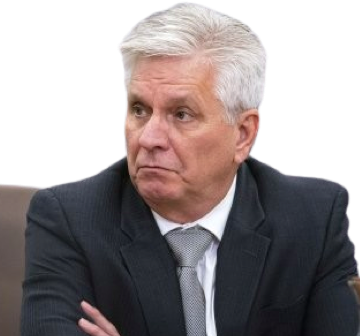
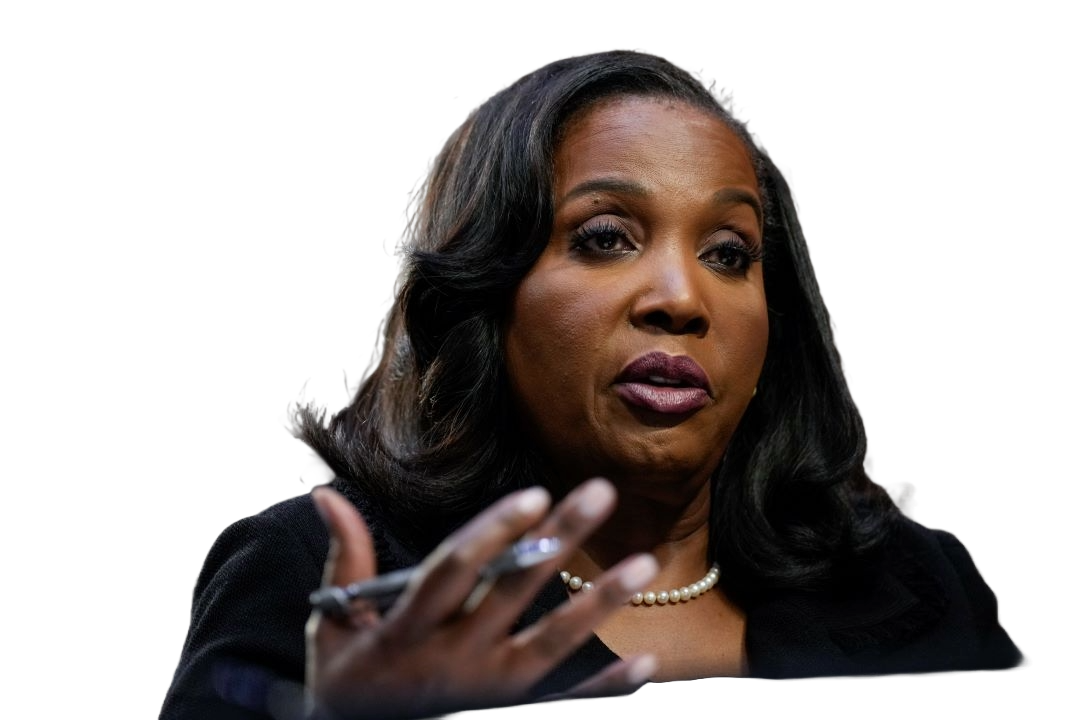
Waller

Federal Reserve Governor

Fed May Need to Hike Rates Soon

Monetary policy is at a "crossroads" and the central bank might need to raise interest rates in the near term. With the military conflict between the U.S. and Iran pushing oil prices higher and inflation running hot for months, sternly staring at inflation until it melts" is simply not an option.

lucky gold

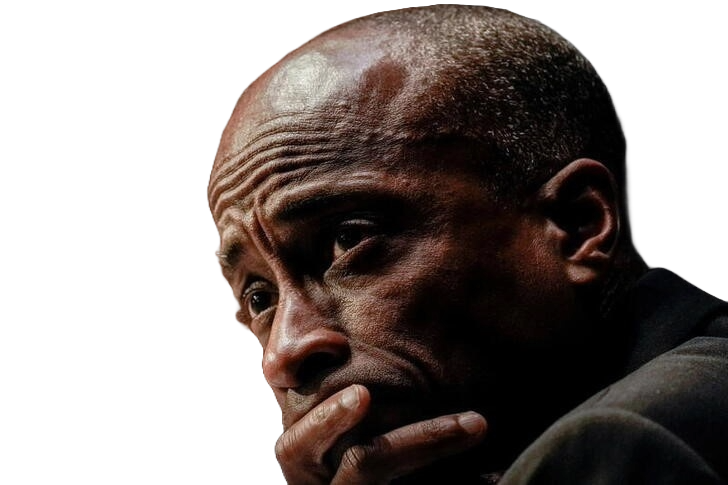
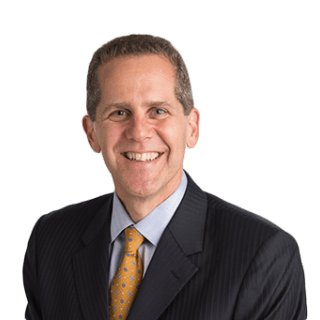
Jefferson

Federal Reserve Vice Chair

Williams: Inflation is Still Heading Down

New York Fed President John Williams said that even though Middle East tensions and AI spending are bumping up prices right now, the bigger picture shows inflation is still cooling off. He believes the Fed can afford to be patient and doesn't need to rush into changing interest rates just because of temporary energy shocks.

lucky gold

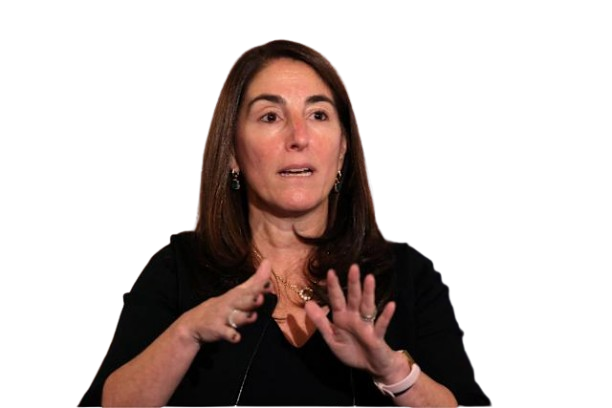
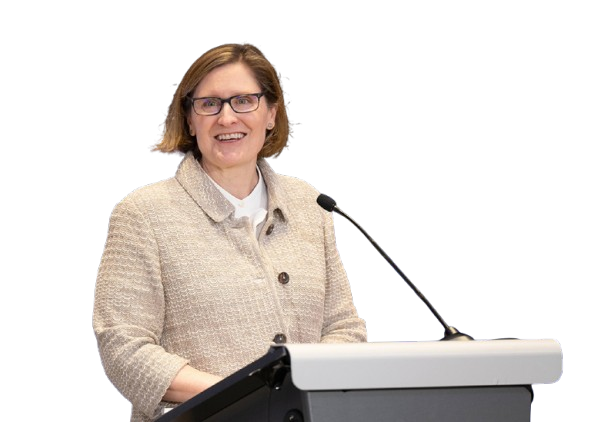
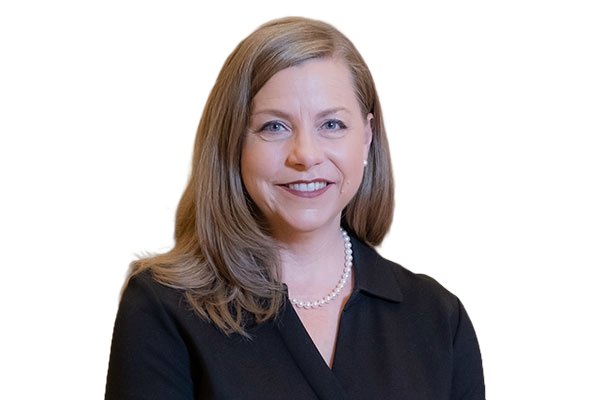
Hammack

President of the Cleveland Fed

Rate Hikes are Still on the Table

Cleveland Fed President Beth Hammack warned that the central bank's current interest rates aren't doing enough to cool down the economy. She pointed out that tech giants are spending like crazy on AI data centers, paying almost any price for tech inputs, electricity, and insurance, which is keeping inflation sticky. Hammack made it clear that since inflation has been running hot for five years, she won't hesitate to support another rate hike if these price pressures don't ease up.

lucky gold

Kevin Warsh

Fed Chair

Think more, speak less.

Vowed to implement sweeping institutional reforms at the Federal Reserve to break the decade-long habit of over-explaining everything to the market. Asserts that the central bank should eliminate forward guidance entirely. Focuses on aggressively shrinking the Fed's balance sheet to suppress and curb inflation.

lucky gold

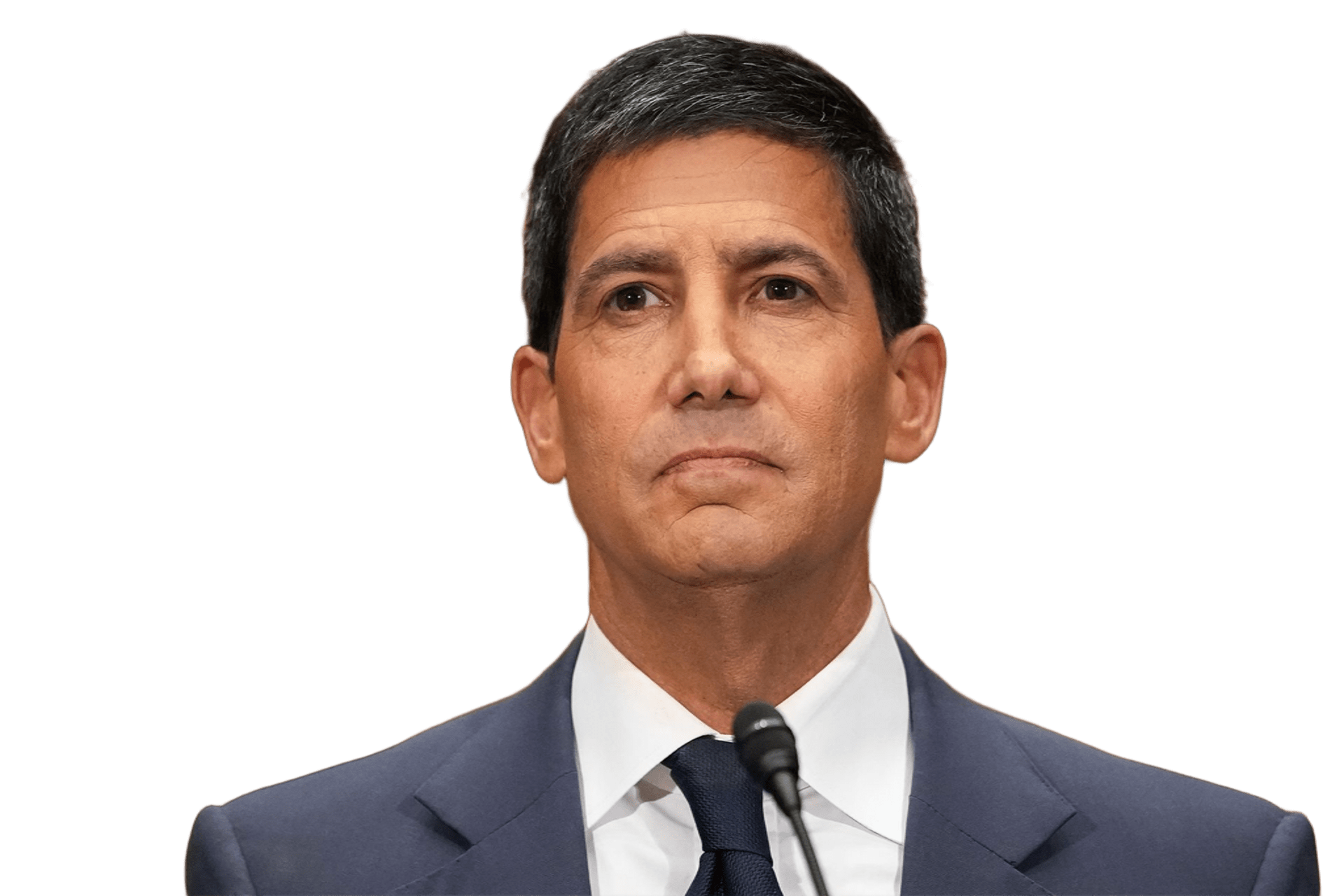
Logan

President of the Dallas Fed

We Might Need to Hike Rates Later This Year

Logan warned that inflation is taking way too long to get back to the 2% target, seemingly stuck in the mid-2% range instead. She expressed growing concern that current interest rates aren't doing enough to heavy-up on rising prices, making it clear that the central bank might actually need to push rates higher later this year to finish the job.

lucky gold

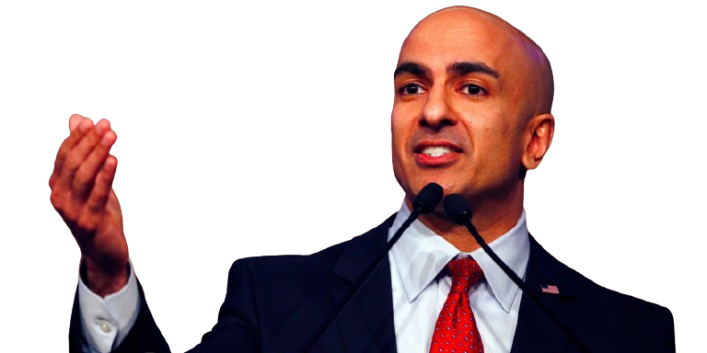
Kashkari

President of the Minneapolis Fed

Ditches Rate Cuts and Now Expects a Hike

Massive capital pouring into AI infrastructure and data centers is jacking up borrowing costs across the economy, while lingering Middle East tensions keep energy prices volatile. Kashkari made it clear that with core inflation moving sideways, the Fed will push rates as high as needed if prices refuse to cool off.

lucky gold

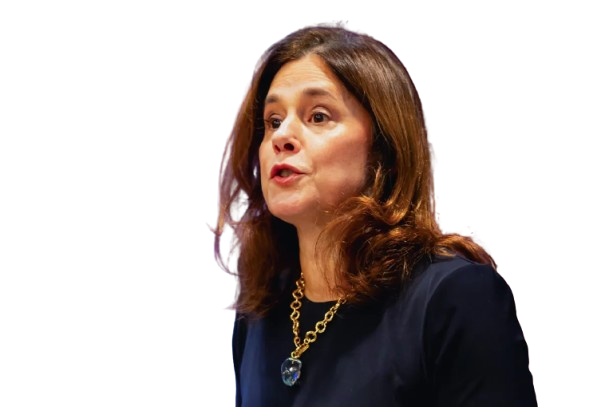
Paulson

President of the Philadelphia Fed

It's Healthy for Markets to Price In Potential Hikes

Philadelphia Fed President Anna Paulson said that while the current level of U.S. interest rates is doing its job to cool down inflation, she thinks it is actually a good thing that investors are bracing for tougher scenarios. Paulson noted it is "healthy" for markets to start pricing in a much longer hold or even further rate hikes as the central bank navigates ongoing economic uncertainty.

lucky gold

Cook

Federal Reserve Governor

Ready to Hike Rates If Needed

There was a massive surge in AI spending alongside the oil price spike from the Middle East conflict has put renewed upward pressure on inflation. While she thinks the right move for now is to hold interest rates steady, she warned that she is fully prepared to back another rate hike if inflation doesn't start cooling down soon.

lucky gold

Bowman

Fed Vice Chair for Supervision

the Fed Might Have to Get Tougher on Rates

Progress on cooling down inflation has hit a bit of a wall, meaning the central bank needs to tread carefully. While she's hopeful that the current surge in energy prices from the Middle East conflict will be temporary, she made it clear that if these oil disruptions drag into the second half of 2026, she wouldn't rule out shifting her stance toward tighter monetary policy to keep prices under control.

lucky gold

Barr

Fed Governor

Get Ready for Interest Rates to Stay Put for a While

Interest rates might need to stay right where they are for an extended period. He pointed out that inflation is still stuck notably above the Fed's 2% target, and wild cards like rising oil prices from the Middle East conflict are adding extra risk. Barr made it clear that until he sees solid proof that prices are genuinely cooling down, he is not on board with cutting rates any further.

lucky gold

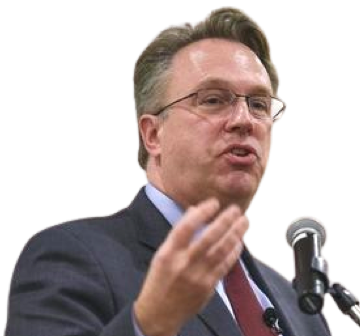
Williams

President of the New York Fed

Monetary Policy Currently "Well Positioned"

Federal Reserve's current monetary policy stance is "well positioned" to sustainably bring inflation back to its 2% longer-run goal. Despite supply chain risks from the Middle East conflict and potential price pressures from the AI investment boom, he expects inflation to edge down in the coming quarters, supporting the decision to maintain interest rates at 3.5% to 3.75%.

lucky gold

Powell

Federal Reserve Governor

Policy Currently in a "Good Place"

Against the backdrop of the energy shock triggered by the war involving the U.S. and Israel against Iran, the Federal Reserve leans toward keeping interest rates unchanged and temporarily "ignoring" the impact of this shock. Raising rates now would not help lower prices; instead, it could cause damage to the economy in the future.

Fed Interest Rate Decision Hot Articles

lucky gold
lucky gold

Why Gold Always Performs Well When the Fed Cuts Rates

In financial markets, gold is viewed as a vital safe-haven asset, with its price heavily influenced by various macroeconomic factors. The Federal Reserve's monetary policy, particularly its decisions to cut interest rates, usually exerts a significant impact on the gold market.

2026-03-02 15:57:34
lucky gold
lucky gold

The Fed and Silver: How Rate Changes Affect Industrial Demand for Silver

Silver is an important precious metal, but unlike gold, it is used heavily in industry as well as in investment. A large share of silver demand comes from industrial use. The Fed’s monetary policy, especially changes in interest rates, can affect silver demand indirectly by changing economic activity, borrowing costs, and market liquidity. Understanding this link is important for analyzing the silver market and making investment decisions.

2026-03-02 15:57:32
lucky gold
lucky gold

Gold Doesn't Care About Interest Rates—It Cares About "Expectations"

In live markets, traders frequently witness an apparent paradox: the Federal Reserve announces a rate hike—which conventional wisdom dictates is bearish for gold—yet gold prices surge.

2026-01-15 11:35:39
4.  Why the Same Federal Reserve Rate Resolution Impacts Gold and Silver Differently
2026-01-15 11:35:38
5.  
2025-12-16 17:39:51

Federal Reserve Interest Rate Report

lucky gold

July 2026 Federal Reserve Meeting Minutes

On July 29, 2026, the Federal Open Market Committee (FOMC) concluded its second monetary policy meeting chaired by newly appointed Chairman Kevin Warsh.Against a complex backdrop of escalating US-Iran conflict—marked by attacks on US vessels in the Middle East and President Trump's vows of retaliation—and persistent inflation pass-through, the FOMC voted 9-3 to keep the target range for the federal funds rate unchanged at 3.50% to 3.75%.Although the committee paused rate adjustments, three policymakers cast dissenting votes favoring an immediate 25-basis-point rate hike. Coupled with Chairman Warsh's firm rejection of any "soft inflation target" during the press conference, financial markets fully relinquished expectations of near-term monetary easing.I. Monetary Policy Action and Hawkish DissentsThe meeting underscored the rapid emergence and dominant influence of hawkish factions within the Federal Reserve when confronting supply-side inflationary shocks.Resolution DecisionThe FOMC passed the decision to maintain rates at 3.50% to 3.75% by a 9-3 vote while maintaining its balance sheet policy to ensure ample reserve balances across the banking system.Three Official Dissents Advocating a 25-Basis-Point Rate HikeDissenting members included Cleveland Fed President Beth M. Hammack, Minneapolis Fed President Neel Kashkari, and Dallas Fed President Lorie K. Logan. All three argued that inflation had remained above target for too long with heightened upside risks, advocating an immediate 25-basis-point increase in the federal funds rate target to 3.75%–4.00%.II. Federal Reserve ObjectivesThe Fed maintained concise macroeconomic language in its official statement, but Chairman Warsh provided deeper context regarding inflation dynamics and structural economic shifts during the press conference.Rejection of Soft Inflation TargetsThe official statement noted that inflation remains elevated due to supply-side energy shocks, reiterating a firm commitment to restoring price stability.Warsh forcefully pointed out that over five years of elevated inflation led some market participants to mistakenly assume a "soft or stealth inflation target" above 2%. Clarifying on behalf of the committee, he stated that under his tenure there is no soft target; the target remains strictly 2%. Five consecutive years of overshooting cannot be remedied in nine weeks or through minor single-month declines, and the Federal Reserve will not waver.III. Warsh's Governance Paradigm: Abandoning Forward GuidanceMarking Warsh's second chaired meeting, structural reforms to central bank governance are accelerating.Teaching Markets to Watch Data Rather Than the UmpireWarsh noted that over the 42 days between meetings, abandoning forward guidance produced noticeable results, including one of the largest spikes in real Treasury yields in two decades. He endorsed this shift, emphasizing that markets are re-pricing assets based on genuine economic data rather than parsing central bank phrasing, noting that the central bank should not always sit at the center of financial markets.Progress Across Five Special Task ForcesFive task forces established in June—covering communication, balance sheet reduction, data sourcing, AI and productivity, and the inflation framework—remain on schedule, with preliminary framework proposals expected in autumn.IV. Market Reactions and Asset PerformanceFollowing the announcement, the decision to hold rates steady prompted short-term safe-haven inflows and short-covering rallies, as extreme market rumors had speculated an immediate rate hike prior to the release.Spot Gold (XAUUSD)In price action, spot gold rose 0.4% to $4,080.38 per ounce, while August gold futures advanced 1.1% to $4,078.00 per ounce. The Fed's pause triggered short covering among rate bears, though elevated energy prices and lingering September rate-hike risks capped upside momentum.US Dollar Index (DXY)The US Dollar Index slipped 0.49% to 100.92. Because the Fed refrained from an aggressive hawkish hike, the dollar pulled back modestly from recent highs.Adjustment in Rate Hike ProbabilitiesCME FedWatch data following the resolution showed market expectations for a September rate hike adjusting from 81% prior to the meeting down to 64.1%. Traders now await upcoming June PCE inflation data and Q2 GDP prints for further policy direction.Geopolitical Black Swan EventsMiddle East hostilities spilled into Damietta Port, Egypt, following a drone attack on a US-flagged LNG tanker, prompting President Trump to vow retaliatory actions against Iran. Elevated Brent crude prices remain a primary headwind for both gold bulls and the Federal Reserve.V. Summary and OutlookThe July 2026 FOMC meeting showcased a transformed Federal Reserve under Kevin Warsh—one characterized by a complete removal of forward guidance, strict data dependency, and zero tolerance for inflation. From easing cuts in late 2025 to geopolitical oil shocks and tariff lag effects in mid-2026, the central bank has closed the door on rate reductions. Three dissenting votes favoring immediate rate hikes signal that the institutional balance has tipped firmly toward inflation containment. Heading into the mid-September meeting, incoming PCE reports and Middle East developments will determine whether the Fed resumes rate hikes. For non-yielding assets like gold, markets will continue to engage in an intense tug-of-war between geopolitical safe-haven demand and the persistent weight of higher-for-longer interest rates.

lucky gold

July Fed Meeting Outlook

The Federal Open Market Committee will convene its monetary policy meeting from July 28 to 29 US Eastern Time, announcing its interest rate decision during the early hours of July 30 Beijing Time. The target range for the federal funds rate currently stands at 3.50% to 3.75%.Just two weeks ago, mild June CPI figures prompted broad market expectations that the Federal Reserve would hold rates steady. However, subsequent geopolitical escalation in the Middle East driving up primary energy commodities, the implementation of new global tariffs, and a surge in artificial intelligence infrastructure investment are rapidly transforming the inflation narrative.Marking the second FOMC meeting chaired by new Fed Chairman Kevin Warsh, this rate decision has evolved from a routine event into the most contentious and uncertain rate political showdown of the second half of 2026.Decision Outlook and Market Divergence: Hike Bets Surge as Institutions and Options DisconnectMarket Pricing: Rate Hike Probability Spikes from 10% to Nearly 38%Following the release of June CPI data, futures markets priced the probability of a 25-basis-point rate hike in July down to near 10%. However, as external shocks compounded, CME FedWatch and LSEG data as of July 27 indicate that the probability of holding rates unchanged stands at roughly 63.7%, while the implied chance of a direct 25-basis-point hike has climbed sharply to 36.3%. Regarding forward trajectories, market pricing for a September rate hike has surged to 80%, fully discounting a cumulative 50 basis points of tightening by January 2027.Wall Street Consensus vs. Derivatives Market DisconnectIn stark contrast to aggressive market pricing, buy-side and sell-side economists exhibit unified caution. A Reuters poll of 104 economists shows the vast majority expect the Federal Reserve to keep interest rates unchanged this week. This profound disconnect between economist expectations for a pause and trader positioning against rate hike shocks highlights market confusion following Warsh's abandonment of forward guidance.Commodities Breach $100 as Tariffs and AI Spending Fuel Inflationary ConcernsAlthough June CPI slowed to 3.5% year-over-year with core CPI flat month-over-month, signaling a temporary cooling, escalating Middle East conflicts pushed benchmark energy commodities past $100 per barrel intraday—a surge of roughly 25% since the June FOMC meeting. Upstream material costs are rapidly transmitting downstream into vehicle fuels and industrial freight.Concurrently, the Trump administration announced new tariffs ranging from 10% to 12.5% on 60 countries on July 24, replacing a prior framework struck down by the Supreme Court and exacerbating re-inflation risks for imported goods. Furthermore, elevated capital expenditure in AI models and infrastructure continues to drive demand for power, copper, and tech equipment, injecting added aggregate demand into the economy.Analysts at Citigroup and other institutions point out that supply-driven price shocks should not automatically trigger monetary tightening. Nevertheless, with long-term inflation remaining above the 2% target, a hawkish pause or dovish inaction risks unanchoring inflation expectations.Hawks vs. Doves Battle Within the FOMCInternal divisions within the FOMC are widening significantly, splitting policymakers into three distinct camps.The hawkish faction—led by Dallas Fed President Lorie Logan, Cleveland Fed President Beth Hammack, and Minneapolis Fed President Neel Kashkari—advocates for a rate hike and is prepared to dissent. They argue that inflation risks far outweigh employment risks, advocating a modest hike to solidify disinflationary gains.The dovish and wait-and-see group—represented by New York Fed President John Williams and mainstream Wall Street institutions—favors maintaining current rates through September. They believe June's core inflation slowdown and labor market stabilization afford valuable time to observe incoming data before acting.Core policymaker Chairman Kevin Warsh maintains a zero-tolerance stance toward inflation, having discarded forward guidance in favor of real-time data-driven decision-making.Asset Class OutlookThe July FOMC resolution coincides with the heaviest week of the Q2 corporate earnings season, with roughly one-third of the S&P 500 market cap reporting, including AI giants like Microsoft, Meta, Amazon, and Apple.For Treasuries and the US Dollar, the 10-year Treasury yield recently breached 4.71%, while the 30-year yield touched 5.18% to hit a near two-decade high. A hawkish pause or multiple dissents would keep Treasury yields elevated and support the US Dollar Index against more dovish central bank currencies.For gold, geopolitical friction and surging commodities offer safe-haven and inflation-hedge support, but elevated real yields and dollar strength pose major headwinds. Should the Fed reinforce expectations of late-year hikes, gold prices will face short-term pressure, testing key support zones at $4,000 and $3,900 per ounce.Summary and Future OutlookThe July 2026 FOMC meeting marks a critical turning point in the Federal Reserve's policy paradigm transition. Intertwined with commodity costs, tariffs, and external political friction, holding rates steady no longer signals tranquility, but rather a hawkish pause masking underlying pressures for future tightening. For investors navigating the unguided Warsh era, attention must focus not only on the rate decision itself, but on press conference commentary regarding supply shocks and the degree of internal voting division.


lucky gold

Minutes of the Federal Reserve's June 2026 Meeting

On June 17, 2026, the Federal Reserve held its first Federal Open Market Committee (FOMC) meeting chaired by the newly appointed head, Kevin Warsh. The Committee voted unanimously to keep the target range for the federal funds rate unchanged at 3.50%–3.75%. This meeting carried a strong "epoch-making" tone: the Fed not only drastically trimmed its policy statement and completely abandoned "forward guidance," but it also unleashed a heavy hawkish signal in its latest dot plot, hinting at potential rate hikes later this year.I. Monetary Policy Action and the Brand-New Communication FrameworkThis meeting brought major overhauls to policy execution and institutional operations:Interest Rate Decision (12–0 Unanimous Pass): The FOMC decided by an overwhelming 12–0 vote to maintain the current interest rate level at 3.50%–3.75%. Meanwhile, the Committee reaffirmed its policy of maintaining ample reserves in the banking system.A Complete Makeover of the Policy Statement: The first policy statement under Warsh’s leadership was significantly shortened and simplified, removing outdated and redundant phrasing. Crucially, all forward guidance regarding the future path of interest rates was entirely deleted. During the press conference, Warsh emphasized that forward guidance is no longer suited for the current policy environment and that the market should focus more on actual economic data rather than relying on Fed guidance.Launching Five Special Task Forces: To comprehensively review the Fed's core business, Warsh announced the formation of five special task forces. They will focus respectively on: 1) Fed communication mechanisms; 2) balance sheet policy (assessing the ample reserves regime and asset structure); 3) the use of data sources; 4) the impact of new technologies like AI on productivity and employment; and 5) tackling inflation.II. Assessment of Economic Conditions and Outlook (SEP Update)Faced with a complex and tangled situation, the Fed maintained a steady outlook on the macroeconomy but showed significantly heightened concern over inflation:Stubbornly High Inflation: The statement clearly pointed out that, driven by supply shocks in specific sectors like energy, inflation remains "elevated" relative to the long-term 2% goal. According to the latest Summary of Economic Projections (SEP), the median expectation for PCE inflation in 2026 is as high as 3.6%, and it is not expected to cool down to 2.3% until 2027. To this end, a rare and deeply determined pledge was added to the statement: "The Committee will deliver price stability."Steady Economy and Employment: Despite high uncertainty brought on by the Middle East conflict, economic activity has continued to expand at a solid pace, supported by strong capital investment and productivity growth. The SEP forecasts median real GDP growth at 2.2% for 2026 and 2.3% for 2027. The labor market remains stable, with the median unemployment rate projection for 2026 holding at 4.3%.III. Policy Considerations and the Hawkish Reversal of the "Dot Plot"The biggest market shock from this meeting came from a complete U-turn in dot plot expectations:Surge in Rate Hike Expectations for the Year: SEP data showed that officials' median forecast for the federal funds rate at the end of 2026 skyrocketed from its previous low to 3.8% (which is above the current 3.75% upper limit), and the forecast for the end of 2027 landed at 3.6%. Out of 19 officials, 9 expect further rate hikes will be necessary by the end of this year.The Chairman Leads by Refusing to Submit a Dot: In an extremely rare move, Warsh publicly confirmed at the press conference that he did not submit his own interest rate forecast dot, stating that he found it "unhelpful" for current policy execution. He hinted that the format of the dot plot could face major adjustments or even be completely abolished in the future.IV. Market Reaction and Political DynamicsFollowing the announcement, financial markets were suppressed by the hawkish stance:Due to Warsh’s aggressive anti-inflation posture and the higher-than-expected dot plot hikes, spot gold plummeted during yesterday's trading session (June 18) from above the 4,400 mark to close at 4,256.88.At the same time, the three major Wall Street stock indices all closed down over 1%. The S&P 500 fell 1.19%, the Nasdaq dropped 1.32%, and the Dow Jones Industrial Average slid 0.96%. Market traders have completely given up on recent rate cut fantasies and begun pricing in the Fed's next rate hike.Trump's Unexpected Compromise: Although US President Donald Trump had previously demanded aggressive rate cuts from the Fed (under former Chair Jerome Powell), his attitude was surprisingly mild following this hawkish decision. Speaking from France while attending the G7 summit, Trump noted that while keeping interest rates so high was "incredible," the Fed was now captained by "a very good man," adding that he would be "guided by what he wants."ConclusionChairman Warsh's debut set a brand-new tone for the Federal Reserve: pragmatic, streamlined, and iron-fisted against inflation. By scrapping forward guidance and setting up the five new task forces, Warsh is trying to break the over-reliant relationship that has formed between the market and the Fed over recent years. Confronted with a stubborn 3.6% inflation forecast, the Fed's policy center of gravity has fully shifted away from "precautionary rate cuts" toward a "hawkish defense" against an inflation rebound. For investors, the era of blindly betting on rate cuts is over; the market must now adapt to a new trading epoch dictated by real economic data—one where the Fed stands ready to pull the trigger on rate hikes at any moment.

lucky gold

Fed June Meeting Preview: The New Chair's Debut and a Communication Overhaul

The Federal Open Market Committee (FOMC) will convene for its policy meeting on June 16–17 Eastern Time, with the interest rate decision and the latest Summary of Economic Projections scheduled for release on June 17. This will be the first monetary policy meeting hosted by the newly appointed Chair, Kevin Warsh, making its importance stretch far beyond a routine rate review. The target range for the federal funds rate currently stands at 3.50%–3.75%. Factoring in the latest non-farm payrolls and CPI data, the market widely expects a hold in June. However, the core suspense lies in two questions: What kind of policy signal will Warsh send? And is the Fed's communication framework about to undergo a historic overhaul?I. Interest Rate Decision: A Hold Is a Foregone Conclusion, but a "Hawkish Pause" Becomes the Baseline ScenarioLabor Market Resilience: May non-farm payrolls showed an increase of 172,000 jobs, coming in significantly higher than expected, while the unemployment rate held steady at 4.3%. With the data for the previous two months upwardly revised by a combined 93,000 jobs, the sheer strength of the labor market signals that the Fed faces zero immediate pressure to deliver early rate cuts to shore up the economy.Energy-Driven Inflation Tensions: On the inflation front, the May CPI rose 0.5% month-over-month, pushing the year-over-year print up to 4.2% (higher than April's 3.8%). Energy prices jumped 3.9% month-over-month and plummeted a staggering 23.5% year-over-year, with gasoline prices skyrocketing 40.5% annually. However, core CPI remained relatively tame, ticking up 0.2% month-over-month (down from the previous 0.4%) and hitting 2.9% year-over-year (a minor increase from April's 2.8%). This suggests that the current flare-up in inflation is primarily a supply-side phenomenon driven by energy shocks, rather than a total breakdown into a core services and wage-price spiral.Rate Hike Bets Linger: According to the CME FedWatch Tool, following the CPI release, the market still prices the probability of a rate hike in June and July below 2%. However, expectations for a hike later in the year persist, with the probability of a December hike remaining well above 60%. All in all, the most probable outcome of this meeting is an unchanged policy rate paired with a distinctly more aggressive tone—the quintessential "hawkish pause."II. The New Chair's Debut: Warsh Is the Ultimate Wild CardWarsh's debut FOMC meeting since taking office is the absolute centerpiece of the month. During his Senate confirmation hearing in April, he made his stance crystal clear, stating, "Unlike many of my past and present colleagues, I do not believe in forward guidance." This philosophy has put the bond market on high alert.Potential changes currently being debated by market participants include:Shortening the FOMC statement to minimize official policy steering.Abolishing the interest rate dot plot—a tool that has served as the core anchor for market expectation management since Ben Bernanke introduced it in 2012.Reducing the frequency of the post-meeting chair press conferences.III. Quantitative Tightening: The Crucial Structural VariableIn the eyes of institutions like PIMCO, the trajectory of the Fed's balance sheet is a far more critical variable than any adjustment to its communication style.The Fed's balance sheet currently hovers around $6.7 trillion, down significantly from its 2022 peak of $9 trillion. Warsh has previously stated that further balance sheet reductions could run parallel with interest rate cuts. Dan Ivascyn, Group CIO at PIMCO, emphasized:"Balance sheet runoff has profound implications for the shape of the yield curve and the performance of bonds across different maturities. This carries significantly more weight than changes in communication style or fine-tuning forward guidance."Summary and OutlookThe core narrative of the June Fed meeting is no longer about the rate decision itself—a hold is a locked-in certainty. The genuine suspense centers on how newly appointed Chair Kevin Warsh will reshape the Fed's communication framework in his debut performance. Will the dot plot hint at upcoming rate hikes? And how will the path for the $6.7 trillion balance sheet unfold?Against a tangled backdrop of labor market resilience, energy-driven inflation, and a simmering conflict in the Middle East, investors are bracing for a Federal Reserve that is bound to be more unpredictable in its communication and potentially more hawkish in its policy signals. For market participants, every single phrase and every pause from Warsh could easily become a fresh catalyst for market volatility.

lucky gold

Minutes of the Federal Reserve's April 2026 Meeting

IntroductionOn April 29, 2026, the Federal Open Market Committee (FOMC) announced it would maintain the target range for the federal funds rate at 3.50%–3.75%. Against the dual macro backdrop of an Iranian blockade pushing international oil prices above $120 per barrel and domestic tariff policies starting to show their teeth, Fed Chair Jerome Powell faced the most severe internal voting split since 1992 during his final policy meeting. The market has now completely erased all expectations of a rate cut this year and has even begun pricing in a potential rate hike for next year.I. Monetary Policy Action and the Historic Voting SplitThe FOMC passed the resolution to keep interest rates unchanged by an 8–4 vote.In Favor (8 members): Included Chair Jerome H. Powell, Vice Chair John C. Williams, and 6 other committee members.Dissenting (4 members):Dovish Dissent: Governor Stephen I. Miran cast another dissenting vote, advocating for an immediate 25-basis-point rate cut at this meeting.Hawkish Dissents: Beth M. Hammack, Neel Kashkari, and Lorie K. Logan strongly opposed retaining the "easing bias" phrasing in the statement, arguing that the door must be left open for future rate hikes.II. Economic Conditions and Outlook AssessmentConfronted with a highly intricate landscape, the Fed upgraded its description of inflation from "some environment of being somewhat elevated" straight to "elevated."Resurgent Inflation Dynamics: Driven by a sharp spike in global oil prices stemming from geopolitical tensions in the Middle East, headline PCE prices rose 3.5% over the 12 months ending in March. Stripping out food and energy, core PCE also reached a high of 3.2% due to tariff policies affecting the goods sector, substantially overshooting the long-term 2% target.Softening Labor Market: The unemployment rate held at 4.3% in March. Job growth remained generally sluggish. Powell noted that this largely reflects a deceleration in labor supply caused by reduced immigration and a declining labor force participation rate, while labor demand has also weakened noticeably.Divergent Economic Growth: Overall economic activity continued to expand at a solid pace. Consumer spending remained resilient, and business fixed investment moved forward at a brisk pace; in stark contrast, however, the housing sector remained soft.III. Policy Considerations and Post-Powell Power StrugglesThe focus of this meeting extended far beyond interest rates to the Fed's political independence and its future path. The central bank is currently choosing a wait-and-see approach, attempting to evaluate whether the energy price spikes caused by the Middle East conflict will translate into more persistent, longer-term inflation.Powell confirmed that after stepping down as Chair on May 15, he will continue to serve as a Federal Reserve Governor with a term running through 2028. This rare move was interpreted by the market as an effort to anchor a core defensive force within the institution to resist political pressure—particularly from the Trump administration demanding aggressive rate cuts. This presents significant policy execution hurdles for incoming Chair Kevin Warsh, who has recently struck a more dovish tone.The collective pushback from hawkish committee members sent a strong tightening signal to the market. Financial traders have completely ruled out any rate cuts for the remainder of 2026 and now estimate that the probability of the Fed pivoting to a rate hike by April 2027 has skyrocketed to 43.2%, up from a mere 5% the previous day.IV. Market ReactionsGold prices rebounded from a near one-month low hit the previous day, ticking up 0.35% during the session to trade around $4,560.38 per ounce in early Asian hours.However, with crude oil prices remaining stubbornly high and the Fed likely to hold rates higher for longer, the upside for gold as a non-yielding asset has been severely capped, keeping overall gains limited.ConclusionChairman Powell’s farewell battle goes down in history marked by an internal rift unseen in 34 years. Confronted with $120 oil, a tariff-driven rebound in core inflation, and undercurrents rattling the labor market, the Fed's dual mandate is facing an ultimate tug-of-war. With Powell transitioning to a regular governor role—acting as a hawkish anchor—and three top regional Fed executives openly revolting against the easing bias, the future Federal Reserve may well be entering a deeply fractured era filled with political drama.

lucky gold

Fed April Meeting Preview: No Hope for Rate Cuts Becomes Consensus, "Powell's Farewell Show" Focuses on Power Transition and Inflation

As the April 28–29 Federal Reserve policy meeting approaches, the eyes of global financial markets are once again locked on Washington. This meeting is highly anticipated not just because the Fed is widely expected to hold interest rates steady for the third consecutive time, but also because it likely represents Chair Jerome Powell’s final curtain call. With the market having fully priced in a hold, the true centerpieces of this meeting will be the outlook for the transition of power, persistent inflationary pressures, and Powell's closing remarks.I. Interest Rate Decision: Holding Steady for the Third Consecutive Time, Rate Cut Expectations EvaporateThe market widely expects the Federal Reserve to maintain the target range for the federal funds rate at 3.50%–3.75%. According to the CME FedWatch Tool, market pricing has entirely digested a hold this month, placing the probability of unchanged rates at 100%.This consensus is backed by recent economic data and reflects an increasingly cautious stance among policymakers. The Fed's March meeting minutes revealed that while officials still project one rate cut this year and a second in 2027, a vast majority of participants believe both upside inflation risks and downside employment risks have risen. Crucially, they noted that these risks have intensified with unfolding developments in the Middle East. A few officials even stated explicitly during discussions that further rate hikes might be required if inflation remains stubbornly above target.II. Inflation Remains the Biggest Roadblock: PCE Projections Upgraded SignificantlyRecent data demonstrates that the energy shock triggered by the war with Iran continues to drive up inflation. The US March CPI accelerated to 3.3% year-over-year, with energy commodities skyrocketing 10.9% month-over-month and gasoline prices surging 21.2%. As of April 27, Brent crude futures are trading around $106 per barrel, representing a surge of nearly $50 compared to pre-conflict levels.A recent Reuters poll of 103 economists shows that projections for the PCE price index—the Fed's preferred inflation gauge—have been upgraded across the board by roughly 30 basis points compared to late March forecasts. The consensus now expects PCE inflation to hit 3.7% in Q2, 3.4% in Q3, and 3.2% in Q4, remaining well above the long-term 2% goal.Meanwhile, the labor market remains in a fragile balance characterized by low hiring and low layoffs. The March unemployment rate stood at 4.3%, with job gains concentrated in just a few sectors as companies maintain a highly cautious approach to adding staff. This combination leaves the Fed with zero incentive to deliver immediate policy easing.III. Powell's Farewell Show: Clear Outlook for the Transition of PowerWhat makes this meeting unique is that it will very likely be the last time Jay Powell hosts the post-meeting press conference as Fed Chair, given that his term officially concludes on May 15.Kevin Warsh, nominated by President Trump to succeed Powell, attended his Senate confirmation hearing on April 21. During the hearing, Warsh advocated for a dual policy path of shrinking the balance sheet alongside cutting interest rates, arguing that a gradual reduction of the balance sheet can create room for rate cuts. He also emphasized that he would not become a sock puppet for the administration, aiming to ease external worries regarding central bank independence.On April 24, the US Department of Justice announced it had concluded its criminal investigation into Powell regarding headquarters renovation expenses, clearing a major hurdle for Warsh's succession. Data from the prediction market Kalshi shows that the probability of Warsh being confirmed by May 15 has skyrocketed to 92.2%, rising to 97% for confirmation before July 1. Consequently, Powell's commentary at the April 29 press conference—especially his thoughts on economic resilience, the inflation outlook, and central bank independence—will be viewed by the market as the definitive closing statement of his career as Fed Chair.IV. Core Market Focus: Press Conference Signals, Balance Sheet Reduction Details, and Dot Plot HintsPowell's Press Conference: Analysts expect Powell to emphasize economic resilience as the primary rationale for holding interest rates steady. Traders will scan his remarks for any hints regarding oil price pass-through effects, inflation expectations, and the future policy trajectory.The Pace of Quantitative Tightening (QT): The monthly cap for Treasury redemptions has already been scaled back from $60 billion to $300 billion. A Bloomberg poll from January showed that a majority of economists expect QT to conclude around October 2026. Whether this meeting provides explicit clarity on the definitive end date for balance sheet reduction remains a key detail to watch.The Easing Outlook: Out of 103 economists surveyed by Reuters, more than half (56) expect interest rates to remain unchanged through the end of September. Additionally, roughly one-third (32%) believe the Fed will not cut rates at all in 2026—a proportion that has nearly doubled since March. Financial traders are currently pushing the timeline for the first rate cut into mid-2027, pricing in less than a standard 25-basis-point reduction for the entirety of this year.The Independence Debate: Although the Department of Justice investigation has concluded, concerns over whether Warsh can safeguard the Fed's independence remain a talking point among lawmakers. How Powell addresses related questions will offer a vital window into current political pressures.ConclusionThe April Fed meeting will open with a foregone conclusion of unchanged interest rates, but the underlying signals carry weight far beyond the headline decision. Against a complex backdrop of stubborn inflation, ongoing Middle East warfare, and an imminent leadership transition, Powell's farewell press conference will serve as a vital window for gauging the policy direction for the second half of the year. With Warsh's takeover fast approaching, whether his blueprint of simultaneous balance sheet reduction and rate cuts can become reality will dictate the broader path of monetary policy heading into 2027. Until then, the Fed is content to remain on hold—but underneath this calm surface, the underlying currents are rapidly shifting.