

Introduction
On April 29, 2026, the Federal Open Market Committee (FOMC) announced it would maintain the target range for the federal funds rate at 3.50%–3.75%. Against the dual macro backdrop of an Iranian blockade pushing international oil prices above $120 per barrel and domestic tariff policies starting to show their teeth, Fed Chair Jerome Powell faced the most severe internal voting split since 1992 during his final policy meeting. The market has now completely erased all expectations of a rate cut this year and has even begun pricing in a potential rate hike for next year.
I. Monetary Policy Action and the Historic Voting Split
The FOMC passed the resolution to keep interest rates unchanged by an 8–4 vote.
- In Favor (8 members): Included Chair Jerome H. Powell, Vice Chair John C. Williams, and 6 other committee members.
- Dissenting (4 members):
- Dovish Dissent: Governor Stephen I. Miran cast another dissenting vote, advocating for an immediate 25-basis-point rate cut at this meeting.
- Hawkish Dissents: Beth M. Hammack, Neel Kashkari, and Lorie K. Logan strongly opposed retaining the "easing bias" phrasing in the statement, arguing that the door must be left open for future rate hikes.
II. Economic Conditions and Outlook Assessment
Confronted with a highly intricate landscape, the Fed upgraded its description of inflation from "some environment of being somewhat elevated" straight to "elevated."
- Resurgent Inflation Dynamics: Driven by a sharp spike in global oil prices stemming from geopolitical tensions in the Middle East, headline PCE prices rose 3.5% over the 12 months ending in March. Stripping out food and energy, core PCE also reached a high of 3.2% due to tariff policies affecting the goods sector, substantially overshooting the long-term 2% target.
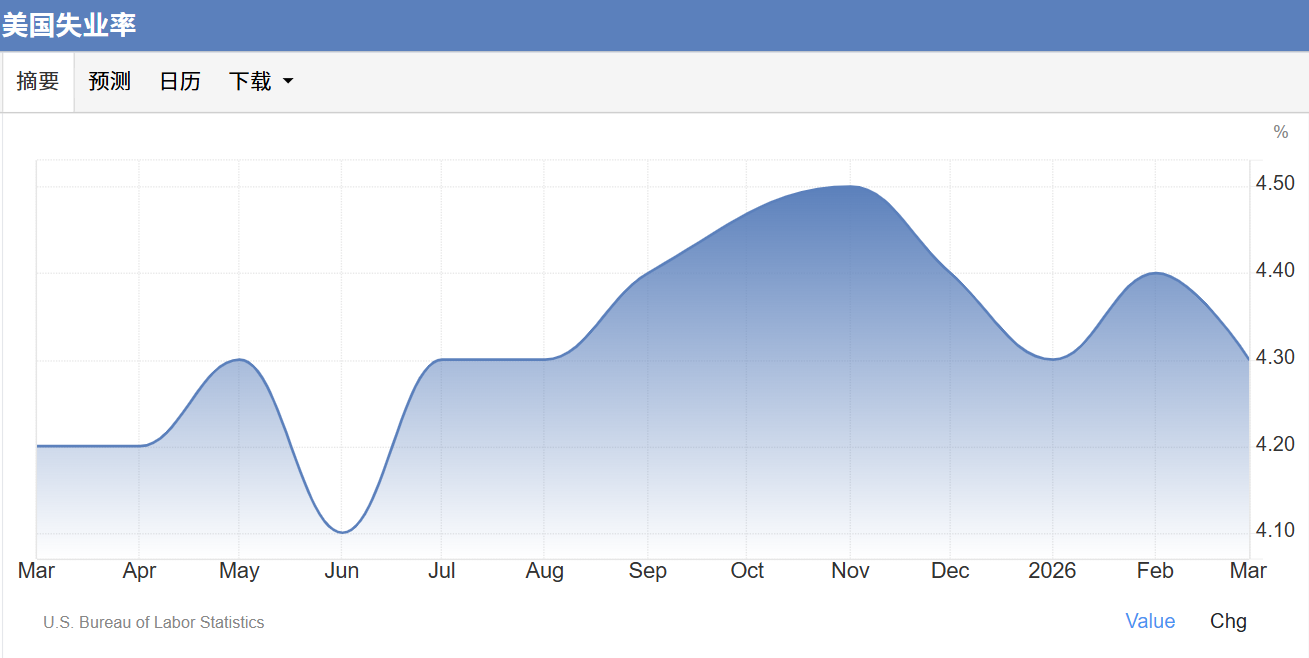
- Softening Labor Market: The unemployment rate held at 4.3% in March. Job growth remained generally sluggish. Powell noted that this largely reflects a deceleration in labor supply caused by reduced immigration and a declining labor force participation rate, while labor demand has also weakened noticeably.
- Divergent Economic Growth: Overall economic activity continued to expand at a solid pace. Consumer spending remained resilient, and business fixed investment moved forward at a brisk pace; in stark contrast, however, the housing sector remained soft.
III. Policy Considerations and Post-Powell Power Struggles
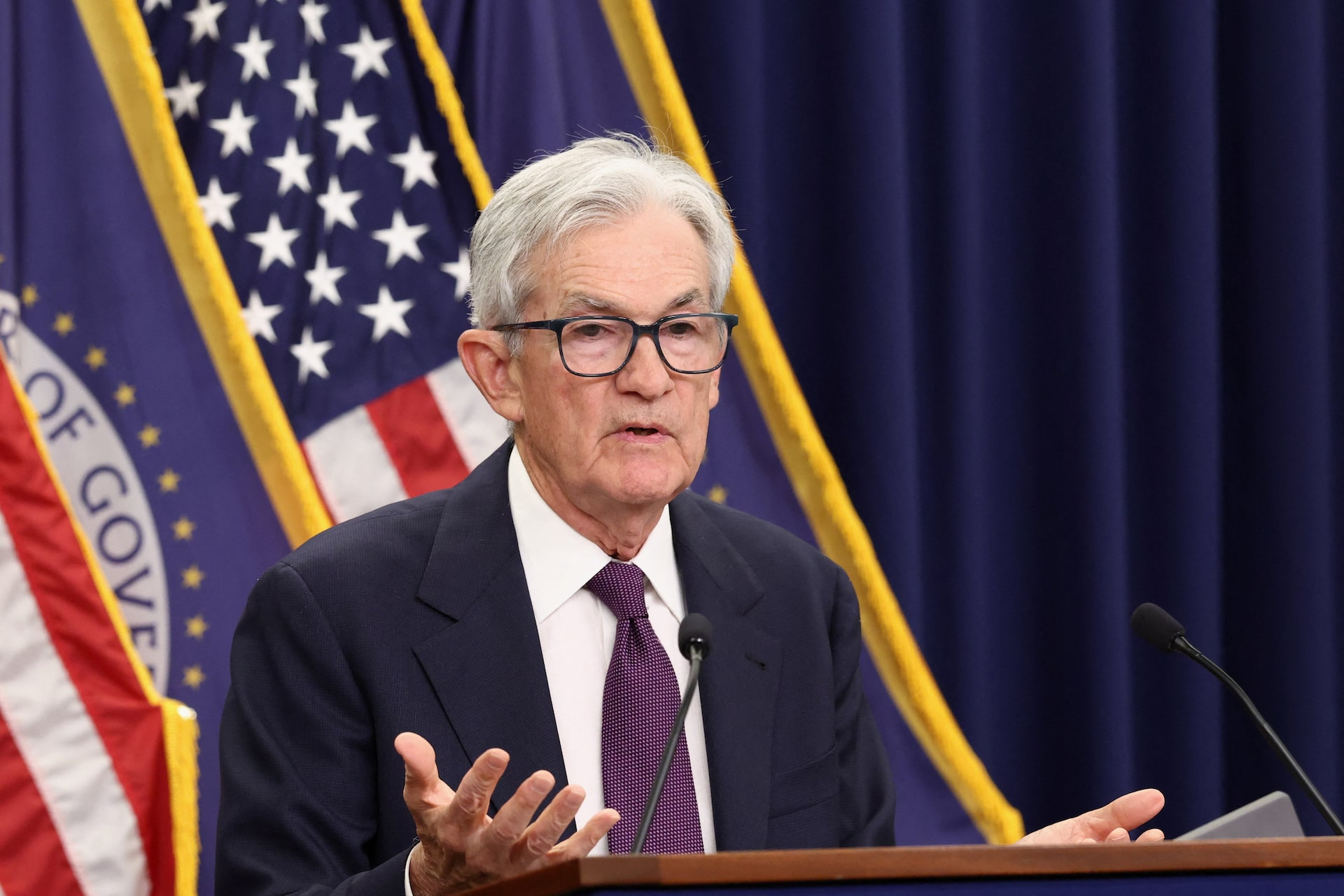
The focus of this meeting extended far beyond interest rates to the Fed's political independence and its future path. The central bank is currently choosing a wait-and-see approach, attempting to evaluate whether the energy price spikes caused by the Middle East conflict will translate into more persistent, longer-term inflation.
Powell confirmed that after stepping down as Chair on May 15, he will continue to serve as a Federal Reserve Governor with a term running through 2028. This rare move was interpreted by the market as an effort to anchor a core defensive force within the institution to resist political pressure—particularly from the Trump administration demanding aggressive rate cuts.
This presents significant policy execution hurdles for incoming Chair Kevin Warsh, who has recently struck a more dovish tone.
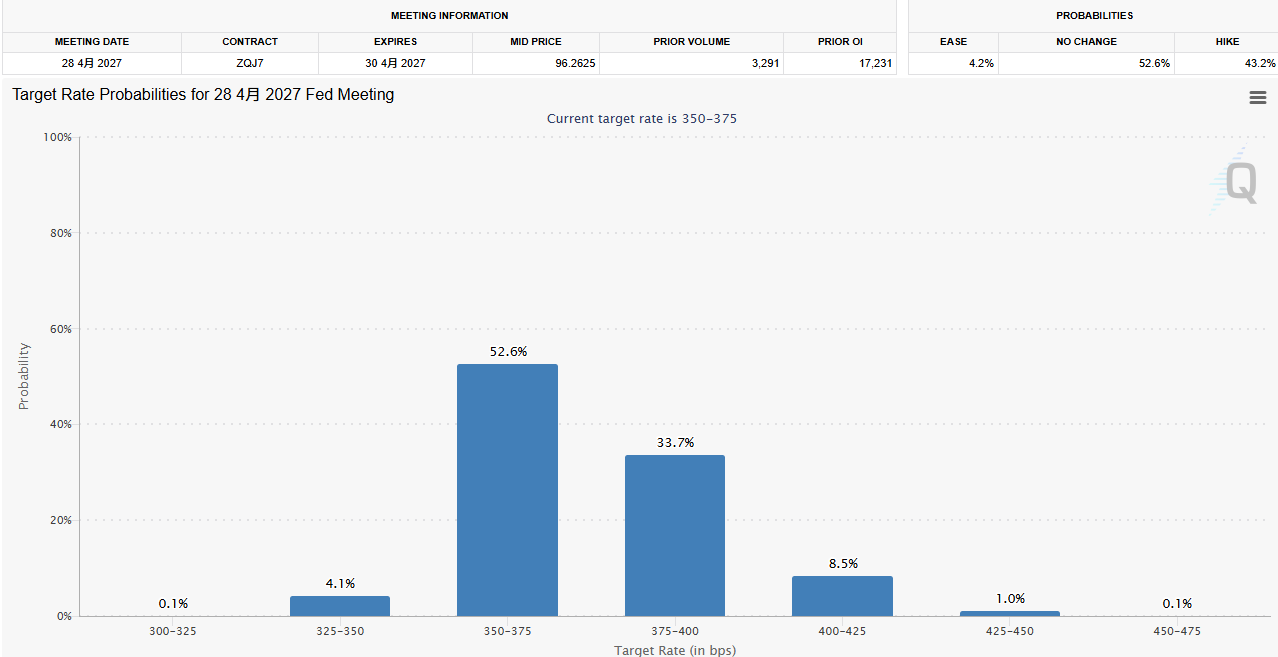
The collective pushback from hawkish committee members sent a strong tightening signal to the market. Financial traders have completely ruled out any rate cuts for the remainder of 2026 and now estimate that the probability of the Fed pivoting to a rate hike by April 2027 has skyrocketed to 43.2%, up from a mere 5% the previous day.
IV. Market Reactions
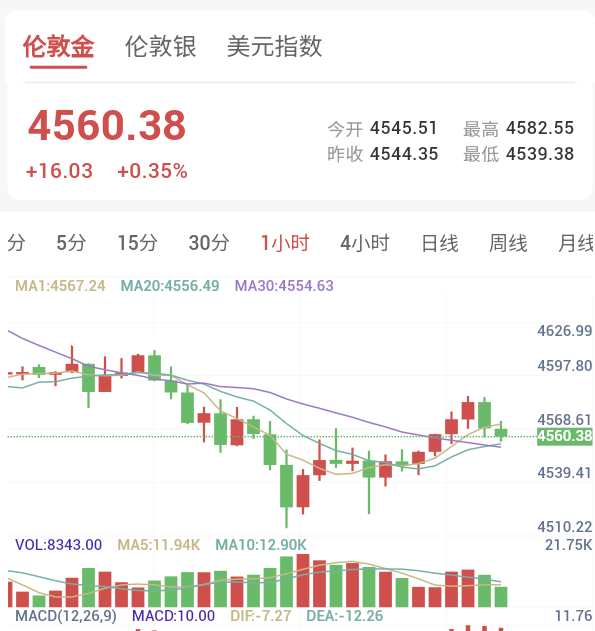
- Gold prices rebounded from a near one-month low hit the previous day, ticking up 0.35% during the session to trade around $4,560.38 per ounce in early Asian hours.
- However, with crude oil prices remaining stubbornly high and the Fed likely to hold rates higher for longer, the upside for gold as a non-yielding asset has been severely capped, keeping overall gains limited.
Conclusion
Chairman Powell’s farewell battle goes down in history marked by an internal rift unseen in 34 years. Confronted with $120 oil, a tariff-driven rebound in core inflation, and undercurrents rattling the labor market, the Fed's dual mandate is facing an ultimate tug-of-war.
With Powell transitioning to a regular governor role—acting as a hawkish anchor—and three top regional Fed executives openly revolting against the easing bias, the future Federal Reserve may well be entering a deeply fractured era filled with political drama.