

On July 29, 2026, the Federal Open Market Committee (FOMC) concluded its second monetary policy meeting chaired by newly appointed Chairman Kevin Warsh.
Against a complex backdrop of escalating US-Iran conflict—marked by attacks on US vessels in the Middle East and President Trump's vows of retaliation—and persistent inflation pass-through, the FOMC voted 9-3 to keep the target range for the federal funds rate unchanged at 3.50% to 3.75%.
Although the committee paused rate adjustments, three policymakers cast dissenting votes favoring an immediate 25-basis-point rate hike. Coupled with Chairman Warsh's firm rejection of any "soft inflation target" during the press conference, financial markets fully relinquished expectations of near-term monetary easing.
I. Monetary Policy Action and Hawkish Dissents
The meeting underscored the rapid emergence and dominant influence of hawkish factions within the Federal Reserve when confronting supply-side inflationary shocks.
Resolution Decision
The FOMC passed the decision to maintain rates at 3.50% to 3.75% by a 9-3 vote while maintaining its balance sheet policy to ensure ample reserve balances across the banking system.
Three Official Dissents Advocating a 25-Basis-Point Rate Hike
Dissenting members included Cleveland Fed President Beth M. Hammack, Minneapolis Fed President Neel Kashkari, and Dallas Fed President Lorie K. Logan. All three argued that inflation had remained above target for too long with heightened upside risks, advocating an immediate 25-basis-point increase in the federal funds rate target to 3.75%–4.00%.
II. Federal Reserve Objectives
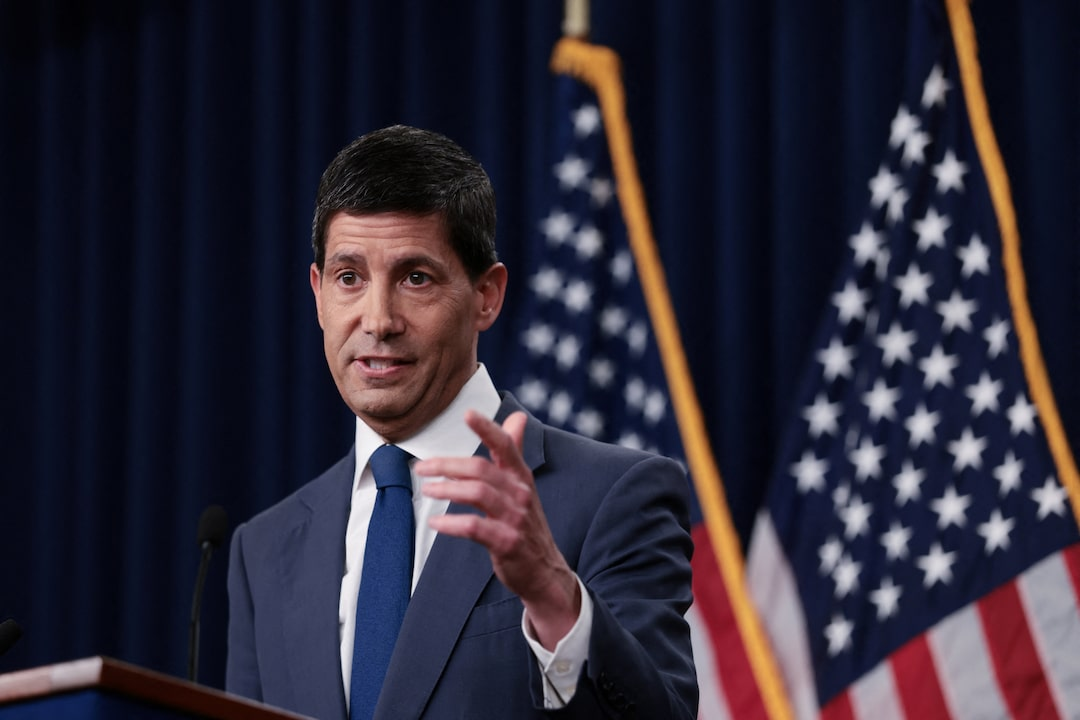
The Fed maintained concise macroeconomic language in its official statement, but Chairman Warsh provided deeper context regarding inflation dynamics and structural economic shifts during the press conference.
Rejection of Soft Inflation Targets
The official statement noted that inflation remains elevated due to supply-side energy shocks, reiterating a firm commitment to restoring price stability.
Warsh forcefully pointed out that over five years of elevated inflation led some market participants to mistakenly assume a "soft or stealth inflation target" above 2%. Clarifying on behalf of the committee, he stated that under his tenure there is no soft target; the target remains strictly 2%. Five consecutive years of overshooting cannot be remedied in nine weeks or through minor single-month declines, and the Federal Reserve will not waver.
III. Warsh's Governance Paradigm: Abandoning Forward Guidance
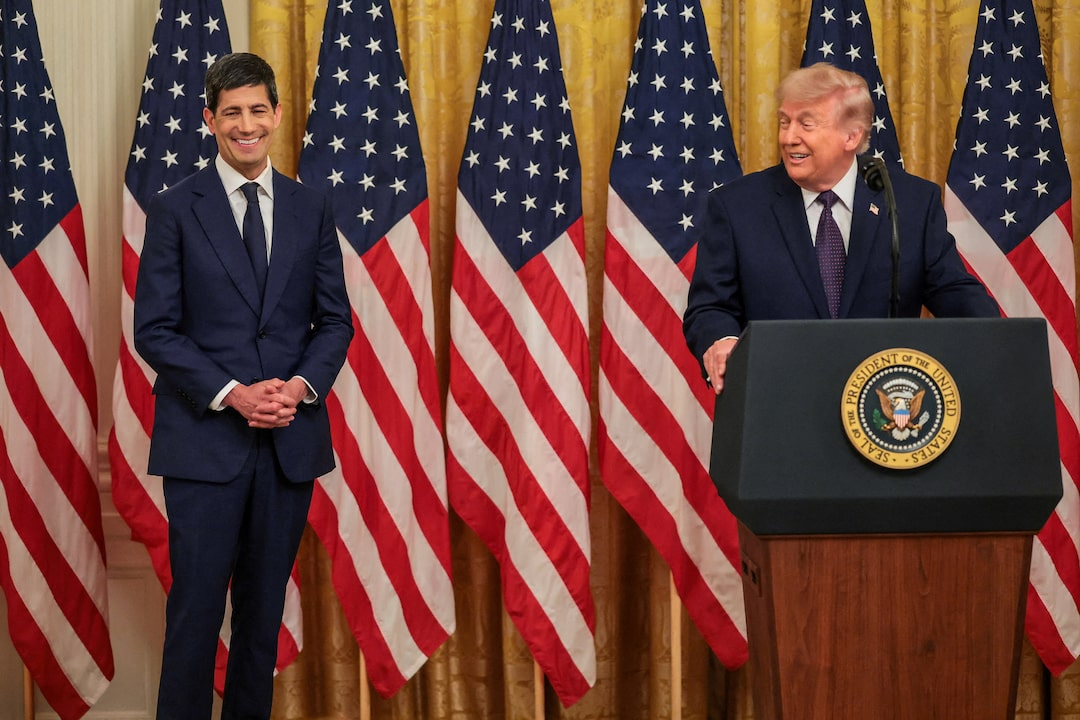
Marking Warsh's second chaired meeting, structural reforms to central bank governance are accelerating.
Teaching Markets to Watch Data Rather Than the Umpire
Warsh noted that over the 42 days between meetings, abandoning forward guidance produced noticeable results, including one of the largest spikes in real Treasury yields in two decades. He endorsed this shift, emphasizing that markets are re-pricing assets based on genuine economic data rather than parsing central bank phrasing, noting that the central bank should not always sit at the center of financial markets.
Progress Across Five Special Task Forces
Five task forces established in June—covering communication, balance sheet reduction, data sourcing, AI and productivity, and the inflation framework—remain on schedule, with preliminary framework proposals expected in autumn.
IV. Market Reactions and Asset Performance
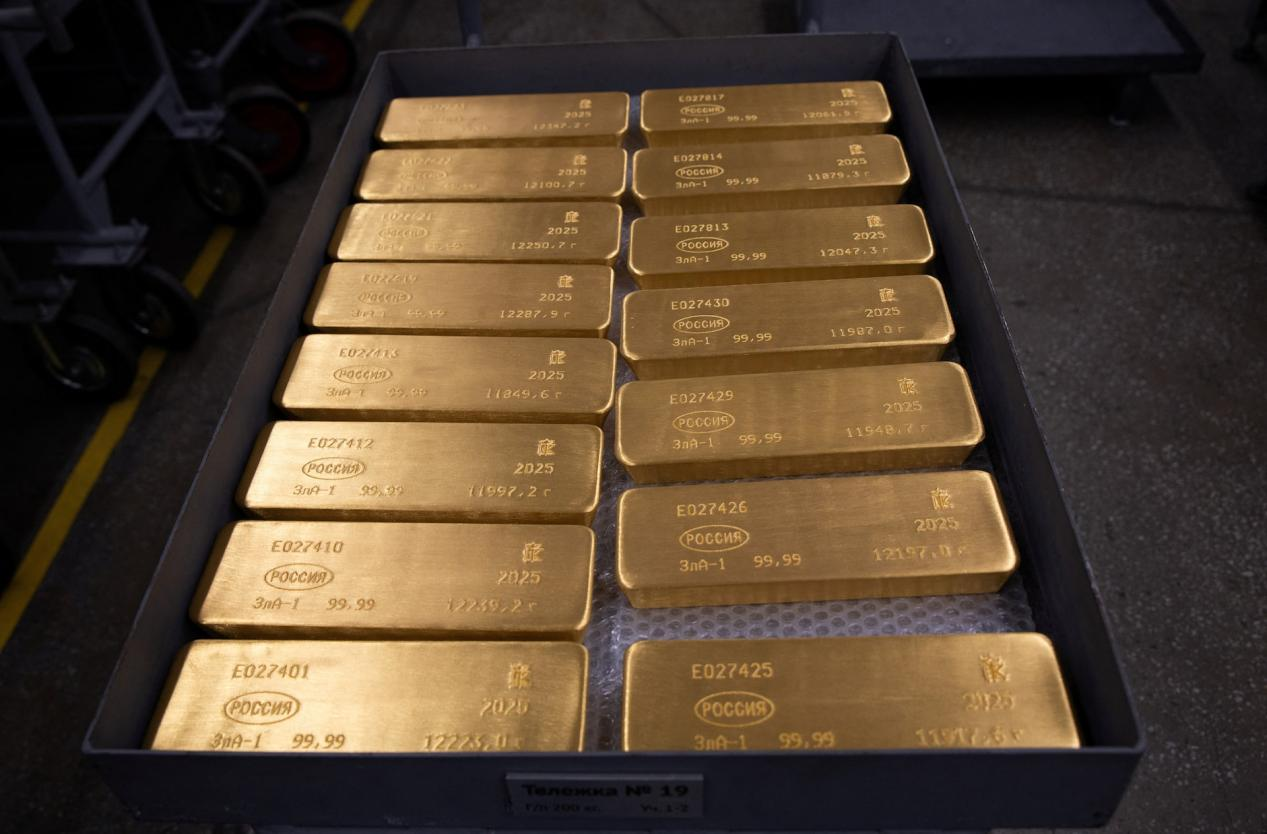
Following the announcement, the decision to hold rates steady prompted short-term safe-haven inflows and short-covering rallies, as extreme market rumors had speculated an immediate rate hike prior to the release.
Spot Gold (XAUUSD)
In price action, spot gold rose 0.4% to $4,080.38 per ounce, while August gold futures advanced 1.1% to $4,078.00 per ounce. The Fed's pause triggered short covering among rate bears, though elevated energy prices and lingering September rate-hike risks capped upside momentum.
US Dollar Index (DXY)
The US Dollar Index slipped 0.49% to 100.92. Because the Fed refrained from an aggressive hawkish hike, the dollar pulled back modestly from recent highs.
Adjustment in Rate Hike Probabilities
CME FedWatch data following the resolution showed market expectations for a September rate hike adjusting from 81% prior to the meeting down to 64.1%. Traders now await upcoming June PCE inflation data and Q2 GDP prints for further policy direction.
Geopolitical Black Swan Events
Middle East hostilities spilled into Damietta Port, Egypt, following a drone attack on a US-flagged LNG tanker, prompting President Trump to vow retaliatory actions against Iran. Elevated Brent crude prices remain a primary headwind for both gold bulls and the Federal Reserve.
V. Summary and Outlook
The July 2026 FOMC meeting showcased a transformed Federal Reserve under Kevin Warsh—one characterized by a complete removal of forward guidance, strict data dependency, and zero tolerance for inflation. From easing cuts in late 2025 to geopolitical oil shocks and tariff lag effects in mid-2026, the central bank has closed the door on rate reductions. Three dissenting votes favoring immediate rate hikes signal that the institutional balance has tipped firmly toward inflation containment. Heading into the mid-September meeting, incoming PCE reports and Middle East developments will determine whether the Fed resumes rate hikes. For non-yielding assets like gold, markets will continue to engage in an intense tug-of-war between geopolitical safe-haven demand and the persistent weight of higher-for-longer interest rates.