

1. Event summary
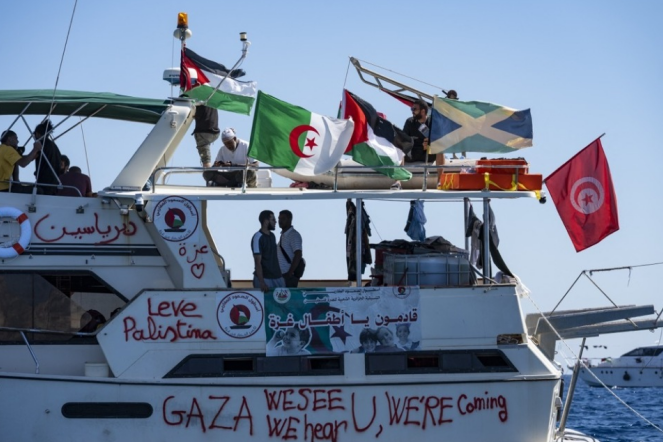
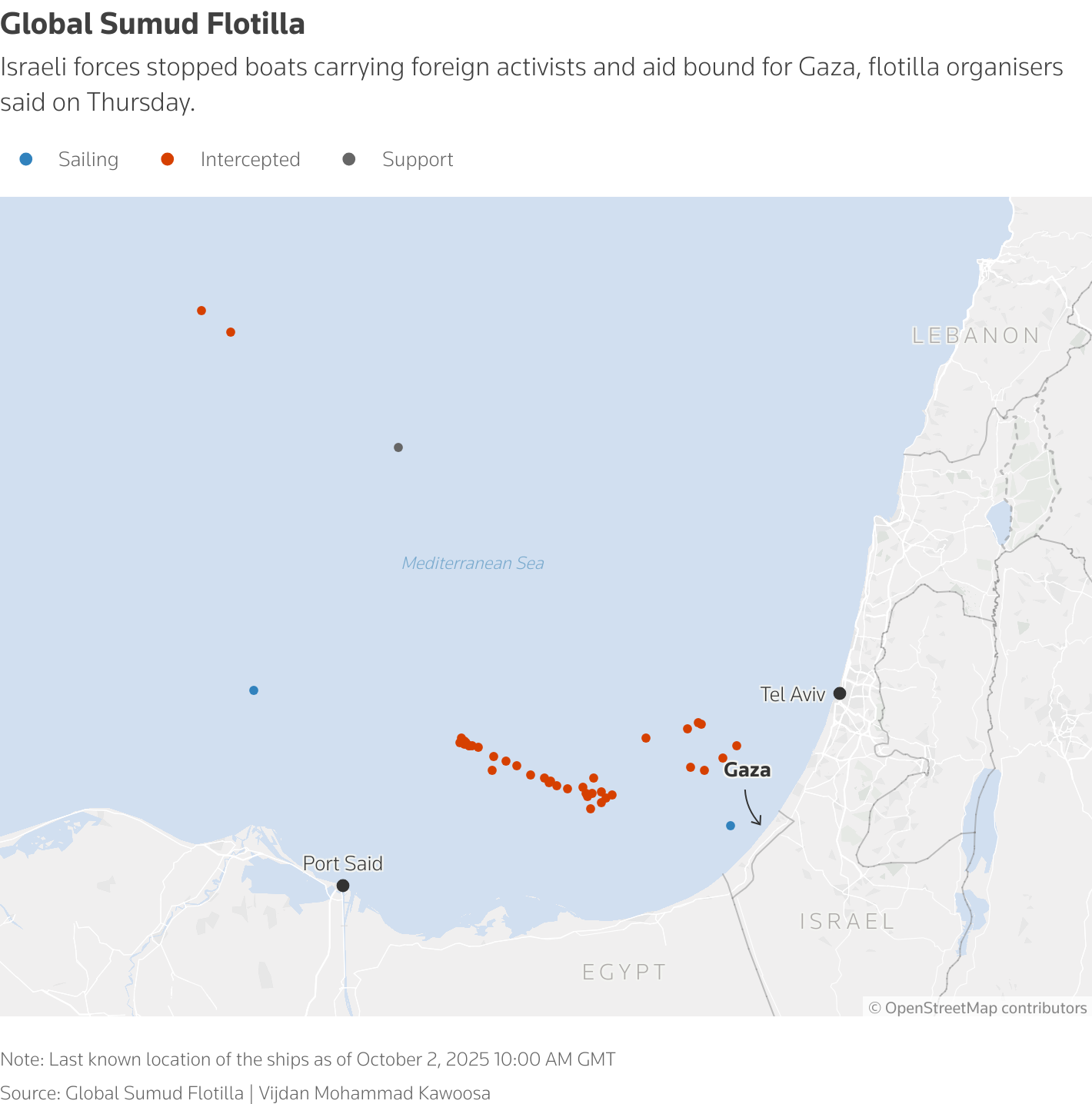
On October 1, Israeli forces intercepted about 40 ships of the Global Sumud Flotilla heading to Gaza with aid. Over 450 foreign activists were detained, including Swedish climate activist Greta Thunberg. The flotilla left in late August and carried lawmakers, lawyers, and activists with medicines and food. Organizers say the mission protested Israel’s blockade of Gaza.
Israeli soldiers boarded the ships armed. Live footage showed passengers in life jackets with raised hands and soldiers surrounding Thunberg on deck. Israel said the detainees were taken to Ashdod port “safe and in good health” and will be deported next week.
Thunberg posted a pre-recorded message saying if people see the video she had been “kidnapped” by Israeli forces, and stressed the mission was nonviolent and followed international law. Organizers said one ship, Marinette, was still sailing hard and was about 80 nautical miles from Gaza and 10 miles from the interception zone. Israel warned remaining ships not to enter an “active combat zone.” The flotilla was intercepted about 70 nautical miles from Gaza and had its communications disrupted.
2. Reactions
Hamas backed the activists and called the interception a “criminal act” and urged protests. Flotilla organizers said more than 450 volunteers were detained and streamed the Marinette continuing its voyage.
Israeli officials called the mission a stunt and said the action was in self-defense, rejecting genocide accusations at the International Court. Israel said the flotilla tried to enter a combat zone and broke the blockade. Turkey’s President Erdogan condemned Israeli “atrocities” and said Israel had no will for peace.
3. Market impact analysis
1) Geopolitical tension raises safe-haven demand
The interception and global protests increase the risk of wider regional fallout. This may cause reactions from Arab states and create friction among allies, pushing investors to buy gold to hedge against military escalation and sanction risks.
2) International division increases diplomatic uncertainty
Many countries criticized Israel. Strikes and investigations could widen diplomatic risk and lead sovereign wealth funds to add gold to hedge ally fragmentation, creating structural buying.
3) Gaza peace plan worries and energy risk
The incident comes as the U.S.-Israel proposal is unfolding. If Hamas rejects the plan and conflict escalates, humanitarian crisis and energy price risks could rise, strengthening gold’s inflation-hedge role.
4. Technical analysis
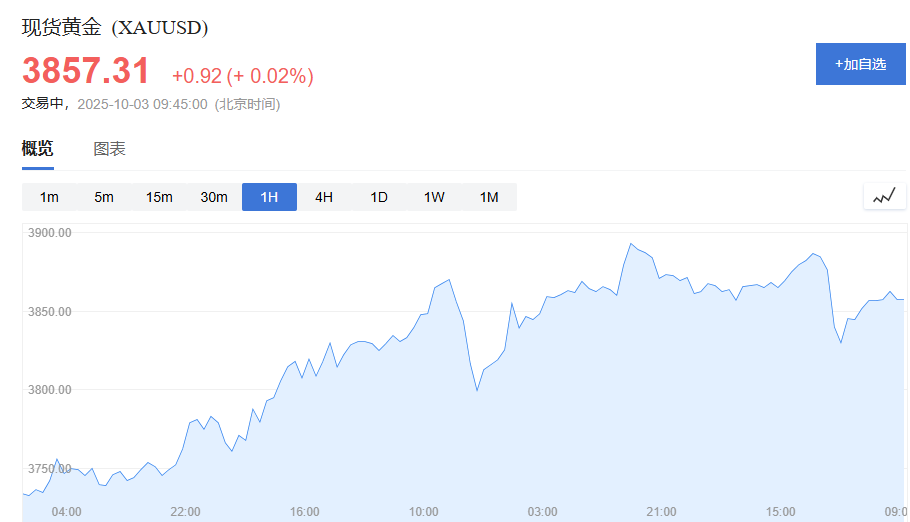
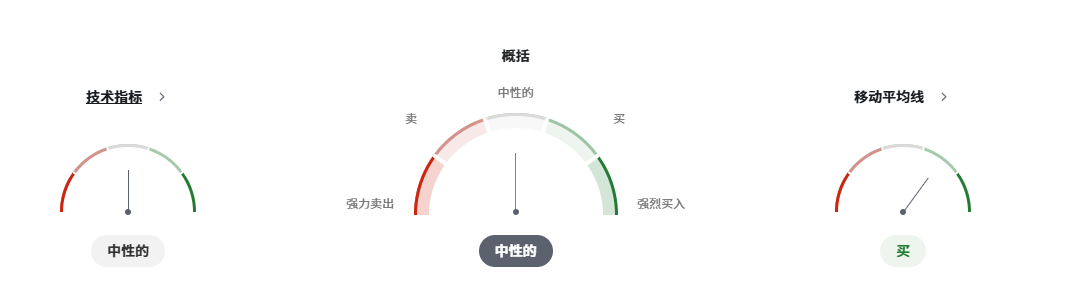
As of 09:45 Beijing time on October 3, spot gold was $3,857.31 per ounce. The 14-day RSI stood near 49.153, in a neutral zone. MACD (12,26) was -3.47, also neutral. Gold is trading in a range and waiting for the U.S. shutdown outcome to set direction.
5. Outlook
Global protests and diplomatic responses
If strikes, strikes or investigations in countries like Italy or Turkey expand, this could lead to wider sanctions or isolation of Israel and support gold in the medium to long term.
Gaza peace plan progress
If Hamas rejects the Trump proposal and fighting intensifies, systemic risk rises and increases structural demand for gold.
Summary
The interception of the Gaza aid flotilla marks a new phase of Middle East tension. Global protests and diplomatic divisions support gold’s safe-haven demand. Investors should watch the remaining ships, international reactions, and peace-plan developments. Technically, gold remains firm and the geopolitical risk premium may last into year-end.