

1. Event overview
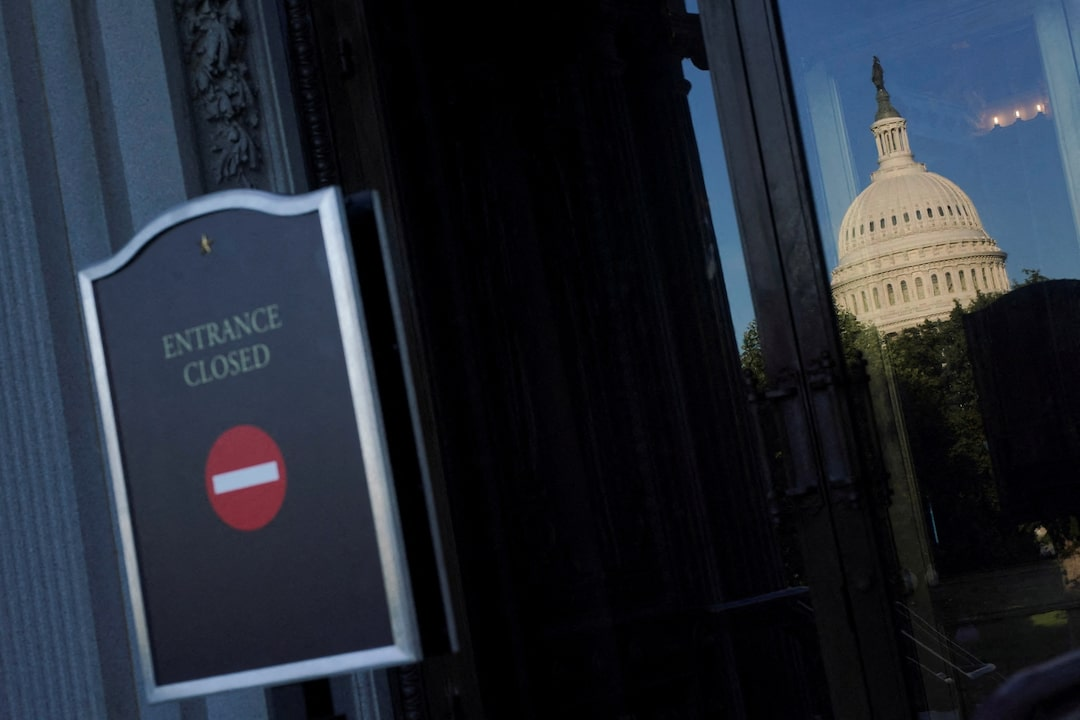
On October 1, President Donald Trump’s administration froze $26 billion in funds aimed at Democratic-leaning states. This includes $18 billion for New York transportation projects and $8 billion for green energy projects in 16 Democratic states like California and Illinois.
The move follows Trump’s threat to use the government shutdown to punish political opponents and to tighten control over the $7 trillion federal budget. Trump said on Truth Social it will “save billions.” The shutdown, the 15th since 1981, has paused scientific research, financial regulation, and environmental cleanup, and affects about 750,000 federal workers. Vice President JD Vance warned that if the shutdown lasts days, more federal layoffs could happen (300,000 already planned before December).
The Senate again rejected temporary funding measures. A Republican plan to fund the government to November 21 and a Democratic plan with extra health benefits both failed. The main standoff is over $1.7 trillion in agency operating funds (about a quarter of yearly spending); other funds cover health, retirement, and $375 billion in debt interest.
Both parties blame each other and are positioning for the 2026 midterms. Some government notices blaming the “radical left” may breach the Hatch Act. The longest past shutdown under Trump in 2018–2019 lasted 35 days.
2. Reactions
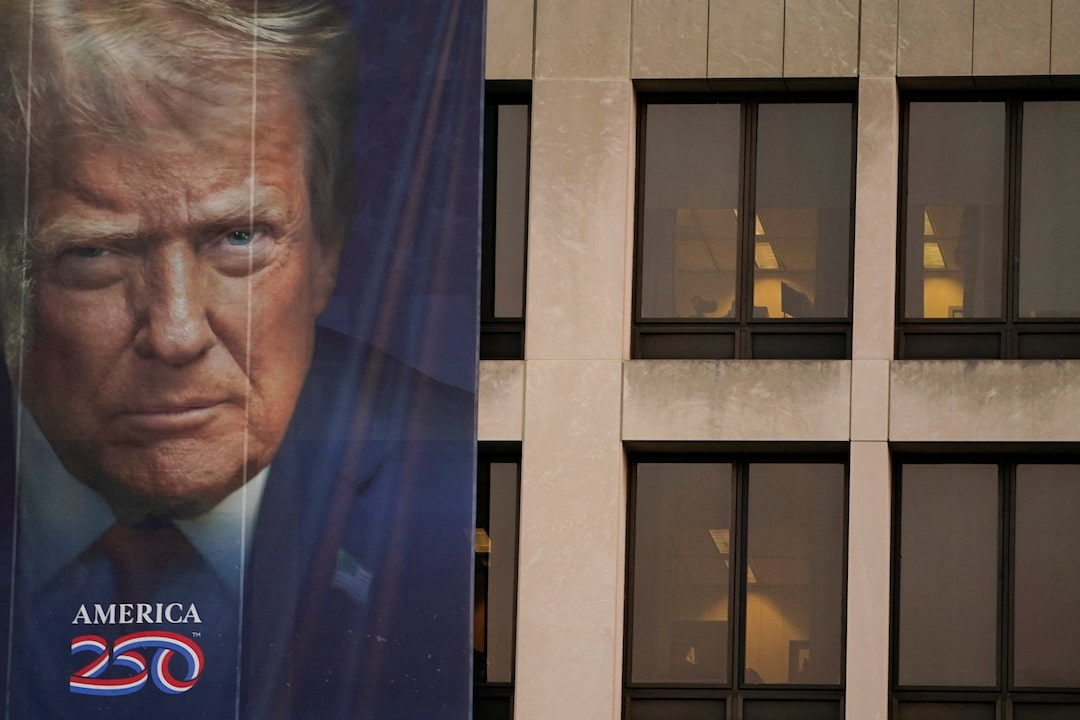
Republicans say Democrats caused the shutdown. Senate GOP leader John Thune said if Congress votes to reopen, the problem ends. VP Vance warned of layoffs if the shutdown continues.
Democrats criticized the freeze. House Democratic leader Hakeem Jeffries said the New York cuts will cost thousands of jobs. Senate Democratic leader Chuck Schumer accused Trump of using citizens as “pawns” and threatening the country. Republican Senator Tom Tillis warned the freeze creates a toxic environment and could delay a deal. Jeffries said he had no contact with the White House after a Monday meeting and accused Trump of wanting a shutdown.
3. Market impact analysis
1) Political uncertainty increases safe-haven demand
The fund freeze and shutdown highlight deep partisan conflict in Washington. This raises global uncertainty and pushes investors toward nonpolitical safe assets like gold as a hedge against possible economic disruption and debt stress.
2) Fiscal deficit and dollar pressure
The standoff involves large spending and interest items. A prolonged shutdown could raise doubts about fiscal stability and weaken the dollar’s safe-haven role. That may speed up changes in global reserve holdings and favor gold.
3) Asset allocation shifts
Shutdowns can disrupt regulation and projects, increasing market volatility. Investors may buy gold to hedge inflation and uncertainty. Cutting green energy projects could raise energy prices, which would also support gold as an inflation hedge.
4. Technical analysis
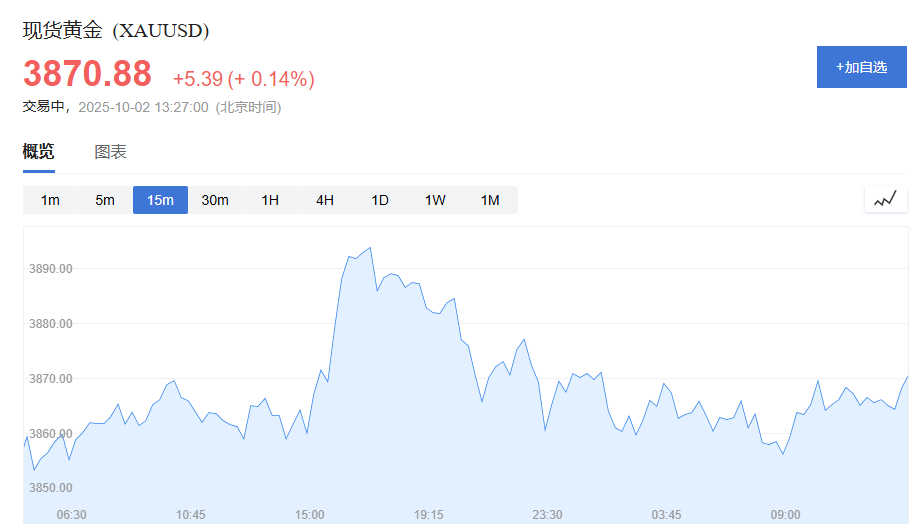
As of 13:27 Beijing time on October 2, spot gold was $3,870.88 per ounce. Short-term support is near $3,860.00 and resistance near $3,880.00. The price shows strong, choppy upward movement. Political events could push gold to new highs.
5. Outlook
Shutdown duration and layoffs
If the shutdown continues for days, planned or expanded federal layoffs could increase economic pain and raise gold’s safe-haven premium. Past long shutdowns ended when disruptions became too large.
Midterm election politics
Both parties are using the fight to prepare for 2026. Misinformation about benefits or policy could prolong the stalemate, strengthening structural demand for gold.
Summary
The White House’s freeze of funds to Democratic states marks a new phase of U.S. political division. Shutdown uncertainty supports gold’s safe-haven demand. Investors should watch how long the shutdown lasts, any layoffs, and the progress of congressional talks.