


1. Event overview
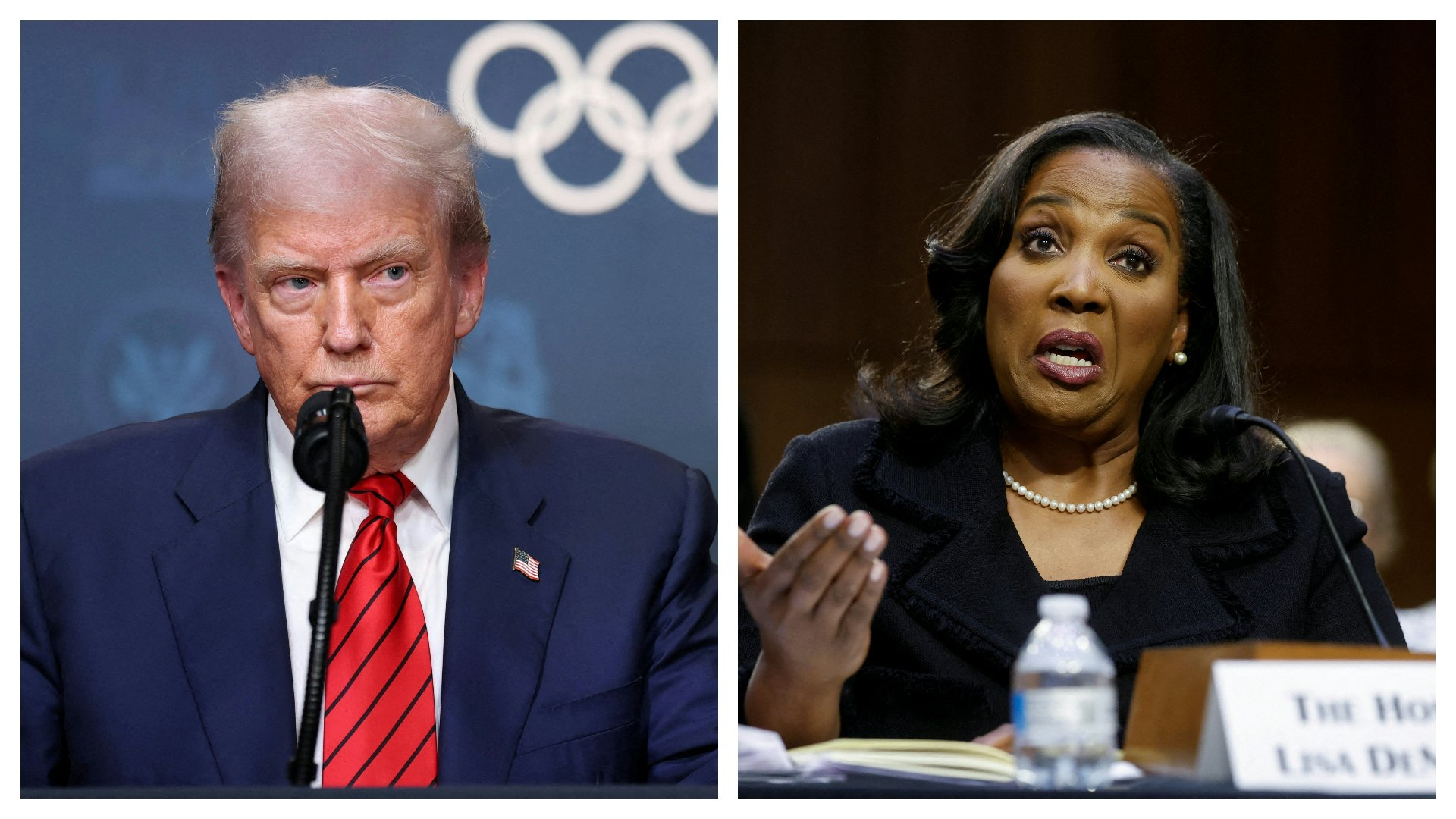
The U.S. Supreme Court on October 1 said it will hear a case in January about President Donald Trump’s attempt to remove Federal Reserve Governor Lisa Cook. Cook remains in her job for now. The case began after Trump announced in August that he was firing Cook, accusing her of mortgage fraud before she joined the Fed in 2022. Cook denies the charges and sued.
On September 9, Judge J. Cobb of the U.S. District Court in Washington ruled that Trump’s reasons might not meet the Fed law’s “for cause” removal standard. That law is meant to protect the Fed from political interference. The Supreme Court did not immediately block Judge Cobb’s decision and set oral arguments for January instead. Cook is the first Black woman to serve as a Fed governor; her term runs through 2038.
Cook says the firing is an excuse to remove her over policy disagreements. The case tests Fed independence. The Supreme Court’s conservative majority has sometimes supported presidential removal powers, but earlier rulings also described the Fed as a “unique quasi-private entity.” The January hearing is important and could affect plans to reshape the Fed, including reappointing regional Fed presidents.
2. Reactions
Supporters: Cook’s lawyers Abby Lowell and Norm Eisen said the Court’s decision to let Cook continue working was correct and welcomed further proceedings. Fed staff and Democrats see this as a win for Fed independence.
Opponents: White House spokesman Kush Desai said Trump lawfully fired Cook “for cause” and expects to win at the January hearing. The administration argues the president’s decision on removal is non-reviewable. Media outlets like NPR framed the Court’s move as blocking Trump’s firing attempt; critics say the president’s actions threaten Fed independence.
3. Market impact analysis
1) Central bank independence risk premium rises
The Supreme Court review tests presidential removal power over Fed officials. This raises fears of political interference in monetary policy. Markets may see a higher risk premium for central bank independence, which can push gold prices up.
2) Reworking dollar credibility could accelerate
If the president’s power to remove Fed officials is expanded, it could weaken confidence in the Fed and the dollar as a neutral safe asset. That may speed up shifts in global reserve allocations and boost demand for gold as a non-political alternative.
4. Technical analysis
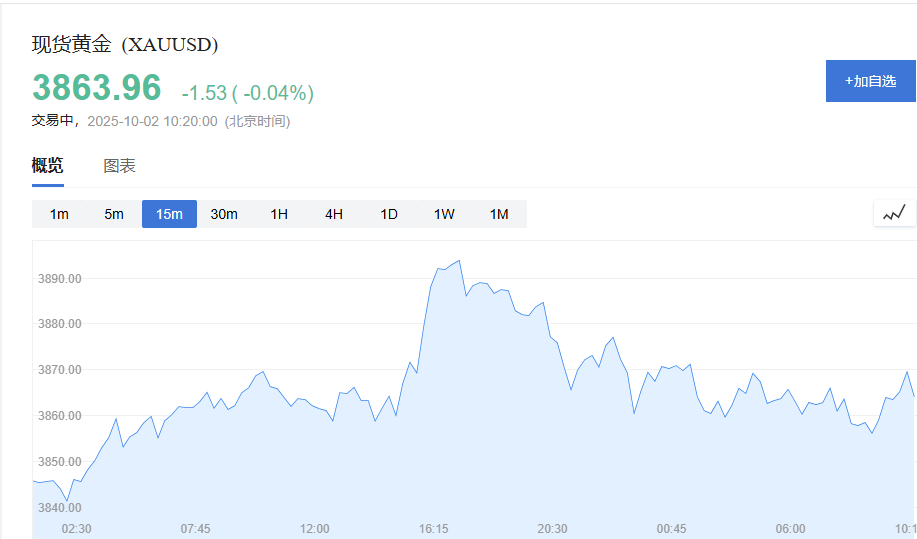
As of 10:21 Beijing time on October 2, spot gold was $3,863.96 per ounce. The 14-day RSI is near 50, in a neutral range. MACD (12,26) is 1.47. These indicators show a sideways trading pattern. Upcoming U.S. nonfarm payrolls may guide the next move; a break above $3,900 could follow if momentum strengthens.

5. Outlook
1) Supreme Court decision
If the Court sides with Trump in January, it could allow an immediate removal of Cook, raise Fed reorganization risks, and push gold toward and above $4,000. If the Court rejects the firing, it would strengthen Fed independence and could be a short-term negative for gold.
2) Fed personnel changes
Even if Trump cannot quickly replace Fed board members, uncertainty over Fed leadership and regional Fed appointments could continue, supporting long-term demand for gold.
Summary
The Supreme Court hearing on Trump’s attempt to fire Fed Governor Lisa Cook is a major test of Fed independence. Challenges to the dollar’s political neutrality add a new reason for investors to buy gold. Watch the January hearing, global reserve shifts, and Fed personnel news. Technically, gold remains firm and the geopolitical/economic risk premium may persist into next year.