

1. Event summary
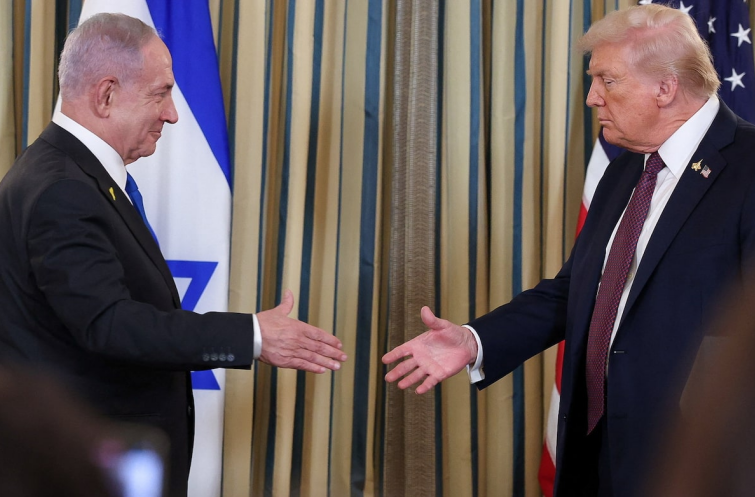
On September 29, U.S. President Donald Trump said after meeting Israeli Prime Minister Benjamin Netanyahu at the White House that Netanyahu supports a U.S.-backed Gaza peace plan. The plan was drawn up by Trump’s envoy Steve Wittkoff and former Middle East advisor Jared Kushner. It calls for releasing the remaining hostages within 72 hours after a ceasefire, a phased Israeli pullback, and steps toward a Palestinian state. Details were not fully explained.
The plan would have a temporary security force of U.S. and Arab partners, Gaza run by a technical committee, and an international “peace commission” to oversee the process. Trump and former UK Prime Minister Tony Blair would co-chair the commission. Netanyahu faces pressure from hostage families and public weariness of war, while far-right ministers might resign if he makes too many concessions.
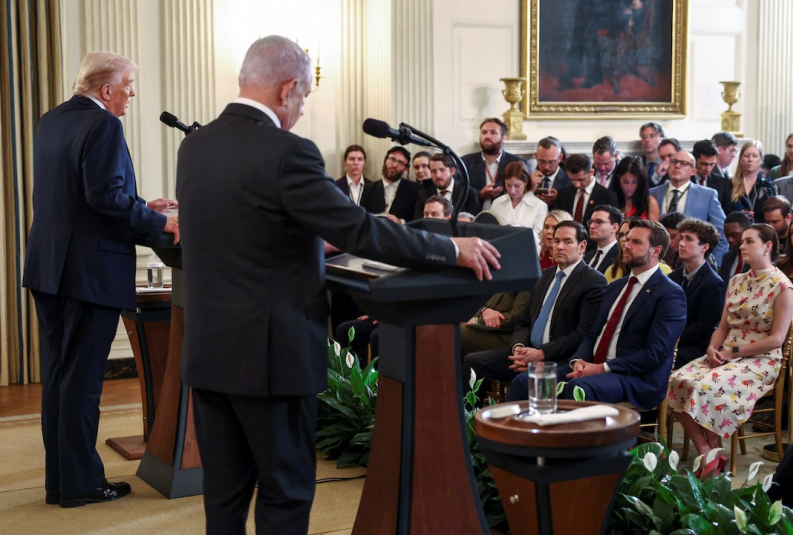
At a joint press conference, Trump said they are “very close” to a deal and warned that if Hamas rejects it, Israel will have full U.S. support to take necessary action. Netanyahu said the plan meets Israel’s war goals: freeing all hostages, destroying Hamas’s military capabilities, ending its political rule, and making Gaza unable to threaten Israel.
2. Market impact analysis
1) Easing geopolitical risk could lower safe-haven demand in the short term
Netanyahu’s support suggests a possible de-escalation in the Middle East. If Hamas accepts and the conflict ends, hostage releases and lower risk could reduce gold’s safe-haven appeal. Investors may shift to riskier assets and gold could pull back. But if Hamas rejects the plan or Israel continues fighting, the conflict could flare up again and support gold prices.
2) International disagreement adds diplomatic uncertainty
Hamas’s role and differences over a Palestinian state increase diplomatic uncertainty. More countries recognizing Palestine could challenge the U.S.-Israel framework and cause friction with allies. This may push sovereign wealth funds to add gold as a hedge, creating steady buying pressure.
3) Gaza deal progress and humanitarian risks
If the plan leads to a ceasefire and rebuilding, it could ease the humanitarian crisis. But Hamas resistance, threats of Israeli annexation, or disruptions to energy supply (for example, actions against Qatar) could prolong uncertainty, raise inflation expectations, and strengthen gold’s inflation-hedge appeal.
3. Technical analysis
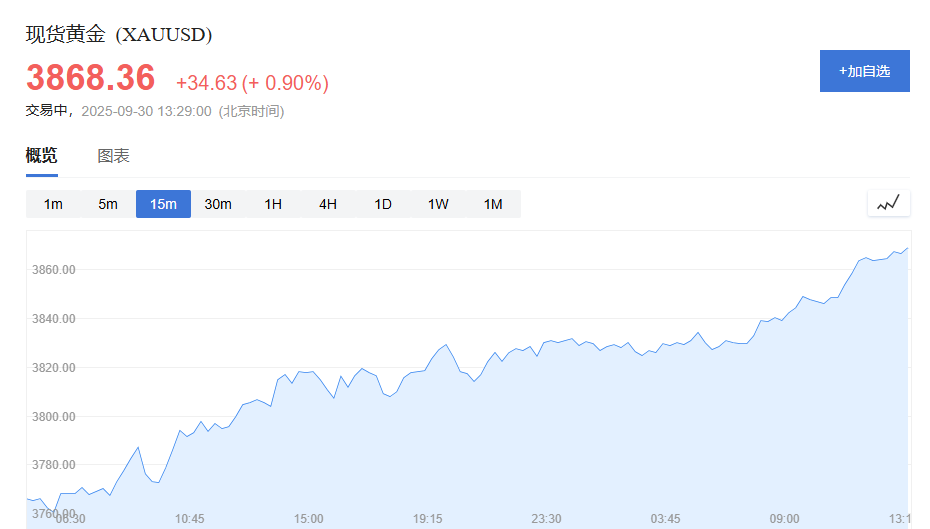
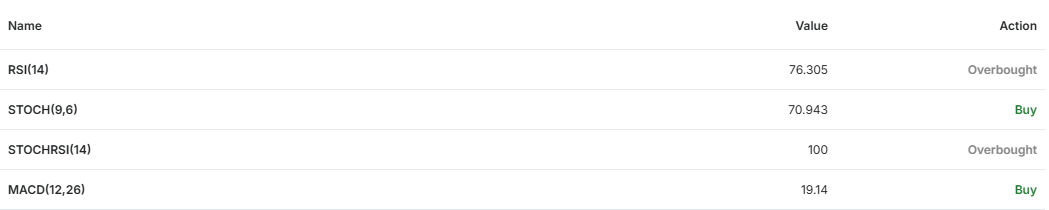
As of 13:29 Beijing time on September 30, spot gold was $3,868.60 per ounce. The 14-day RSI was about 76.3, in overbought territory. MACD (12,26) was 19.14, indicating strong buying. The upward momentum has not yet slowed, but investors should watch for short-term profit-taking and a possible pullback from high levels.
4. Outlook
1) Hamas’s response
If Hamas accepts the plan, hostage releases and a ceasefire could happen faster, which would be negative for gold in the short term. If Hamas rejects it and Israel presses on, tensions would rise and support gold as a safe asset.
2) Arab states and international involvement
If Saudi Arabia, the UAE, or others support the plan, it could expand regional agreements. But threats of annexation or possible sanctions and growing EU-US differences could strengthen gold’s medium- to long-term support.
Summary
Netanyahu’s backing of Trump’s Gaza deal could mark a turning point in the Middle East and may reduce gold’s safe-haven demand in the short term. But uncertainty from Hamas, diplomatic splits, and humanitarian and energy risks remain. These factors can strengthen gold’s roles as a safe haven and inflation hedge. Investors should watch Hamas’s reply, statements from Arab countries, and United Nations actions. Technically, gold remains strong and geopolitical risk premium could last into year-end.