

1. Event summary
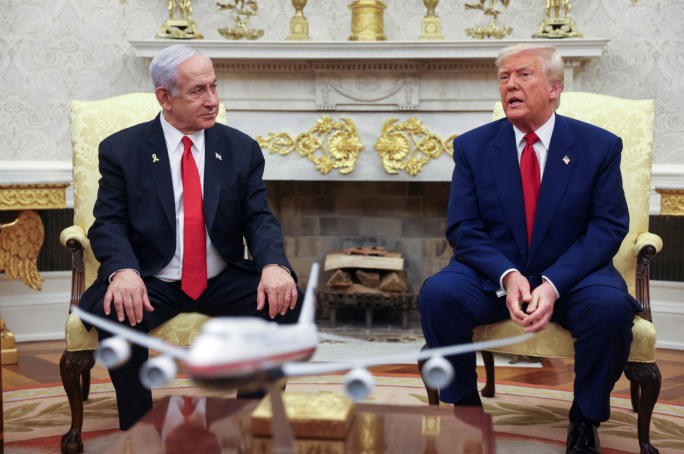
- U.S. President Donald Trump will meet Israeli Prime Minister Benjamin Netanyahu at the White House on September 29 to push a peace plan for Gaza.
- The plan was shared with Arab and Muslim countries during the UN General Assembly. It lists 21 points, asking Hamas to release all hostages (including returns of dead bodies), calling for Israeli forces to leave Gaza, stopping further attacks on Qatar, and starting new talks between Israel and the Palestinians for peaceful coexistence.
- Trump said in a Reuters interview the plan aims for wider Middle East peace and that leaders from Saudi Arabia, Qatar, the UAE, Jordan, and Egypt support it.
- The meeting comes after nearly two years of war in Gaza, which has killed over 65,000 people. Several countries recently recognized Palestine, which the U.S. and Israel oppose. Israel says Hamas must be destroyed, while Trump opposes Israel annexing the West Bank to protect the Abraham Accords from his first term.
2. Reactions
- Support: Trump said Israel and Arab states reacted very positively and that many want a deal. Arab leaders warned against West Bank annexation. Saudi Foreign Minister Faisal bin Farhan said Trump understands this message. Palestinian President Mahmoud Abbas condemned Israel’s actions but promised to disarm armed groups and said Hamas should not govern in the future.
- Opposition: Some Israeli senior officials say it is too early to tell if a deal is possible. At the UN, Netanyahu called recognizing Palestine a “disgrace” and vowed to keep fighting until Hamas is destroyed. An Israeli far-right minister suggested annexing parts of the West Bank. U.S. Secretary of State warned that recognizing Palestine could create more problems.
3. Market impact

- Easing tensions could reduce safe-haven demand: If the plan makes progress, Middle East tensions may drop, lowering the risk premium and weakening gold’s safe-haven appeal. Investors might move to riskier assets and gold could fall slightly. If talks fail or Israel stays hardline, gold could rise again.
- Diplomatic divisions increase uncertainty: More countries recognizing Palestine challenges the U.S.-led approach and could cause broader Arab reactions and ally friction. This could raise uncertainty and lead sovereign funds to buy more gold as a hedge, creating steady demand.
- Gaza deal progress and energy risks: The plan calls for hostage release and a ceasefire. If it works, the war and humanitarian crisis could ease. But Hamas resistance and West Bank annexation threats could keep uncertainty. If actions against Qatar or other energy disruptions happen, inflation fears could rise and strengthen gold’s inflation-hedge role.
4. Technical view
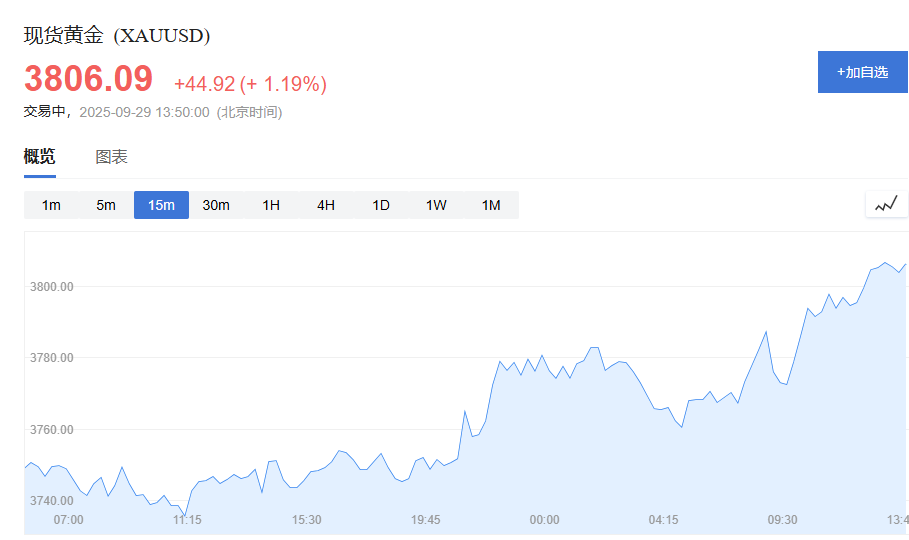
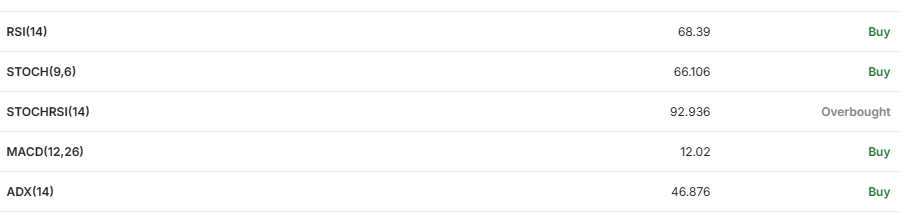
- As of Beijing time September 29, 13:50, gold was $3,806.09 per ounce, staying above $3,800. It has risen about 9.14% in the past month. The RSI (14) is 68.39 and MACD (12,26) is 12.02, both in strong-buy zones. This shows a strong upward trend with some volatility.
5. Outlook
- White House talks: If Netanyahu accepts the plan, hostages and a ceasefire could happen faster, which may press gold lower. If he insists on destroying Hamas and talks fail, uncertainty will rise and help gold.
- Arab states’ response: If Saudi Arabia, the UAE and others back the plan, it could revive the Abraham Accords. But West Bank annexation could cause sanctions or backlash, increasing risks and supporting gold longer term.
- UN diplomatic moves: More UN members recognizing Palestine would deepen international divides and raise systemic risk, which favors gold as a safe asset.
Summary
Trump’s Gaza peace plan could mark a shift in the Middle East. If it reduces conflict, gold’s safe-haven demand may fall in the short term. But diplomatic splits, annexation threats, and uncertainty mean gold’s safe-haven and inflation-hedge roles remain strong. Investors should watch the White House meeting results, Arab state reactions, and UN developments. Technically, gold looks strong and geopolitical risk premium may stay through year-end.