

First: Event Overview
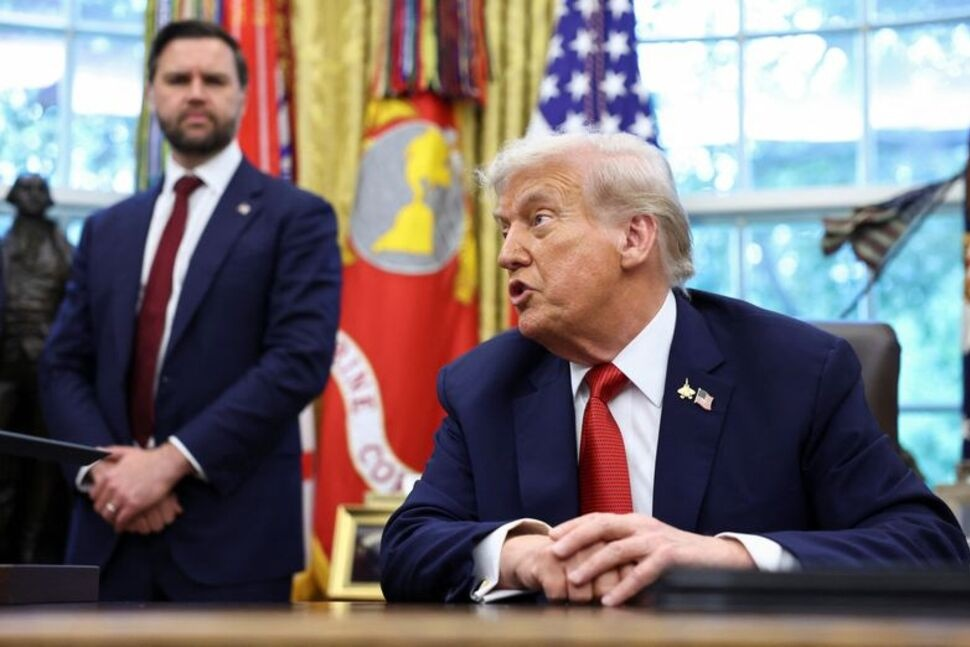
US President Donald Trump said on September 25 in the Oval Office that he will not allow Israel to annex the West Bank. He rejected calls from some far-right Israeli politicians to expand control and end the idea of a Palestinian state. Israeli Prime Minister Benjamin Netanyahu faces pressure from allies on this issue. Earlier, Arab leaders met Trump at the UN General Assembly on September 23 to express their concerns. "I will not allow Israel to annex the West Bank. No, I will not. It will not happen," Trump told reporters. "It is enough. It is time to stop now." Netanyahu's office said he will respond after returning to Israel. Israel has occupied the West Bank since the 1967 war, and settlements there have grown in size and number. The E1 project was approved in August, which could cut off Palestinian territories from East Jerusalem. Israeli Finance Minister Bezalel Smotrich said the Palestinian state is "being wiped off the table."
Second: Parties' Reactions
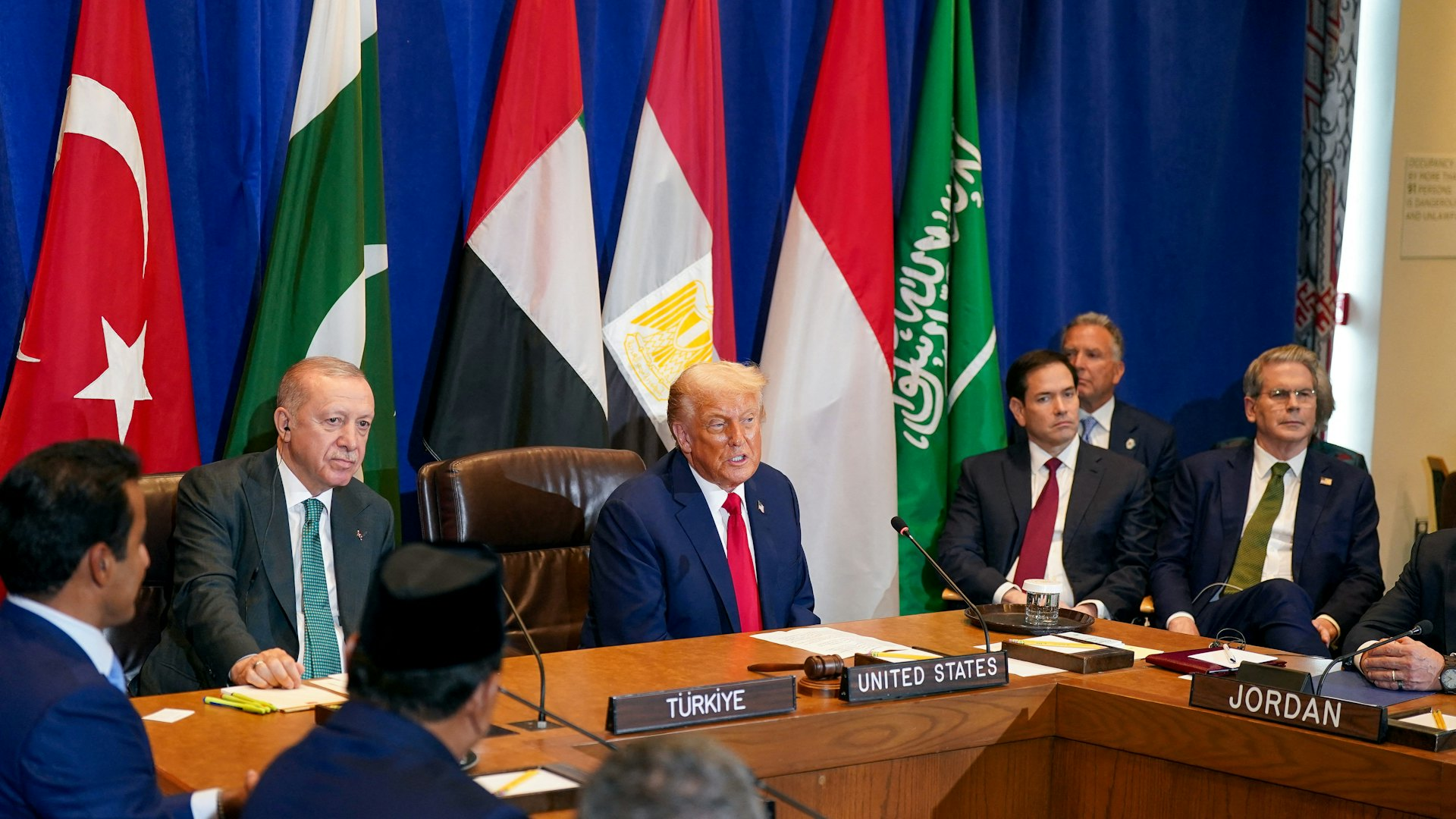
Arab and Muslim countries warned Trump earlier this week about the serious results of annexation. Saudi Foreign Minister Faisal bin Farhan Al Saud said Trump "understands" this message very well. About 700,000 Israeli settlers live among 2.7 million Palestinians in the West Bank and East Jerusalem, which Israel has annexed but most countries do not recognize. Israel refuses to give up control, pointing to the Hamas attack on October 7, 2023, that killed 1,200 people and took 251 hostages. Of those, 48 hostages remain, and 20 are believed to be alive. Recently, France, the UK, Canada, Australia, and Portugal recognized a Palestinian state to keep the two-state solution possible. Israel has condemned these actions. Most of the international community sees Israeli settlements as illegal, but Israel claims they provide strategic depth and security based on history and religion. Netanyahu will speak at the UN on September 26.
Third: Market Impact Analysis
1. Expectations of reduced tensions may lower demand for safe assets like gold in the short term. Trump's clear opposition to annexation suggests a possible balance in US-Israel relations, which could ease worries about Middle East conflicts. This might make investors move away from gold toward riskier assets. However, if Israel ignores the warning, conflict could still return.
2. International recognition of a Palestinian state by countries like France and the UK is increasing diplomatic differences. This could lead to more uncertainty in the Middle East, pushing some investors toward gold to protect against risks like sanctions or isolation.
3. Progress on a Gaza peace deal could support a more positive long-term view. Trump said he has talked with Netanyahu and Middle East leaders about a 21-point peace plan for Gaza, which might happen soon. If a deal is reached, it could end the war that has killed over 65,000 Palestinians in nearly two years. This would reduce geopolitical risks, but issues like hunger and aid blockades (such as help from Italian and Spanish navies) remain. This could still strengthen gold's role as a hedge against inflation.
Fourth: Technical Analysis
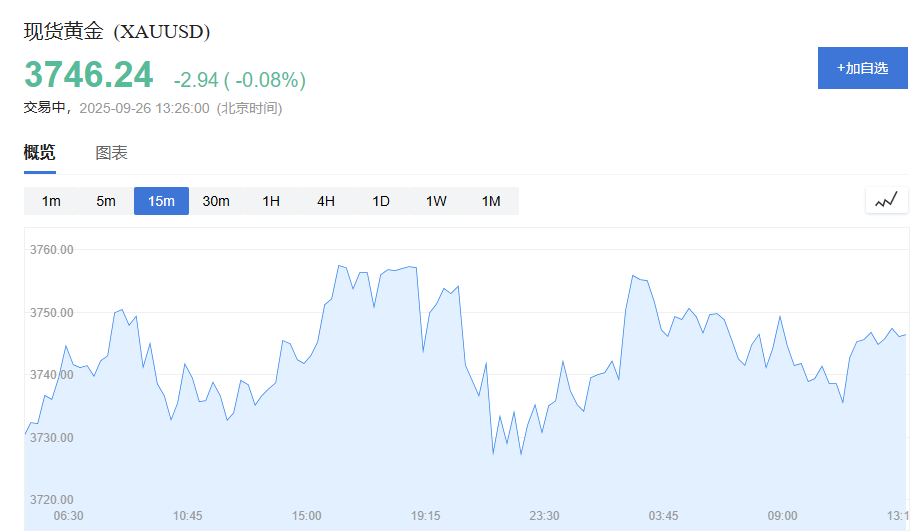
As of Beijing time on September 26 at 13:26, spot gold is at 3746.24 USD per ounce and has fallen slightly by 0.06% due to expectations of reduced tensions. The short-term support level is at 3735.00 USD per ounce. If it breaks below that, it might drop to 3720.00 USD per ounce. The resistance level is at 3760.00 USD per ounce.
Fifth: Future Outlook
1. Netanyahu's speech at the UN on September 26 could be important. If he responds to Trump's warning and clarifies his plans, it might ease tensions. But if he takes a strong stance, it could increase worries and boost demand for gold as a safe asset.
2. Progress on the Gaza peace deal could speed up if Trump gets support from countries like Saudi Arabia and the UAE. This might lead to hostage releases and a ceasefire. However, if Hamas resists, uncertainty could continue, which would support gold's long-term value.
Finally: Summary
Trump's vow to stop Israel's annexation of the West Bank and push for a Gaza peace deal suggests possible easing of tensions, which may limit gold prices in the short term. However, ongoing diplomatic differences, settlement growth, and humanitarian concerns could still create risks. With international recognition of Palestine, uncertain peace talks, and potential energy issues, gold remains a strong option for protection against inflation and as an alternative to currency. Investors should watch UN developments and peace negotiations closely. Remember, trading involves risks, and this analysis is for reference only – make your own decisions based on your risk tolerance.