

I. Event Overview
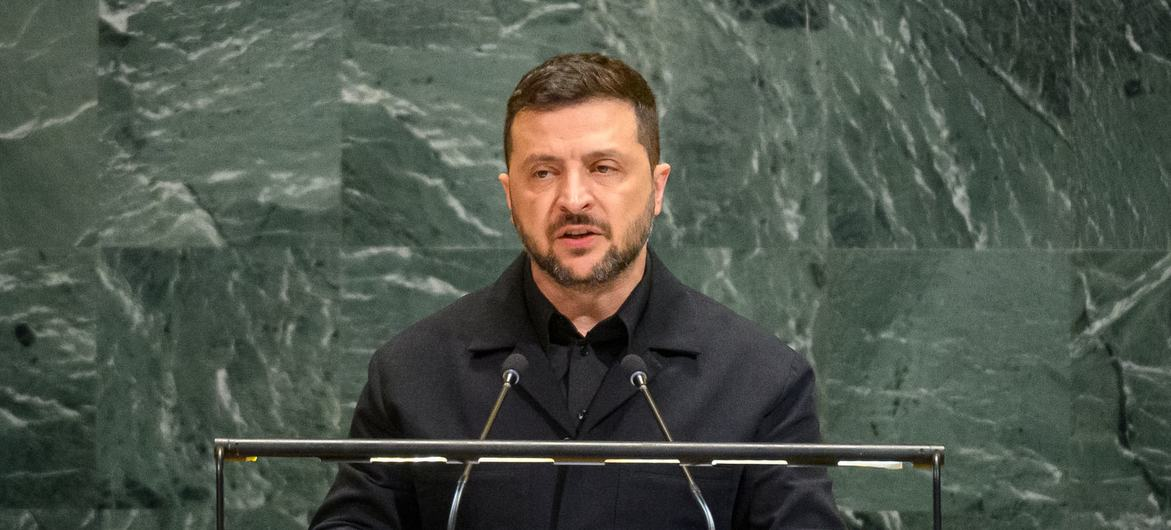
Ukrainian President Zelenskiy addressed the UN General Assembly on September 24, urging major world powers to help end Russia's war on Ukraine. He warned that the conflict is sparking a dangerous arms race, particularly with rapid advancements in weapons like drones and artificial intelligence. Zelenskiy accused Russian President Putin of trying to expand the war beyond Ukraine and emphasized that stopping Russia now is cheaper than dealing with threats like nuclear-tipped drones later. His remarks came one day after his meeting with US President Trump, who appeared to take a tougher stance on the Kremlin, stating that Kyiv could reclaim all occupied territories and supporting the downing of Russian aircraft violating NATO airspace.
II. Reactions
Zelenskiy expressed disappointment in the "weakness" of international law and cooperation, describing the current arms race as the "most destructive" in human history. Ukraine has decided to export weapons to allies, sharing its battle-tested advanced systems and easing restrictions on military product exports.
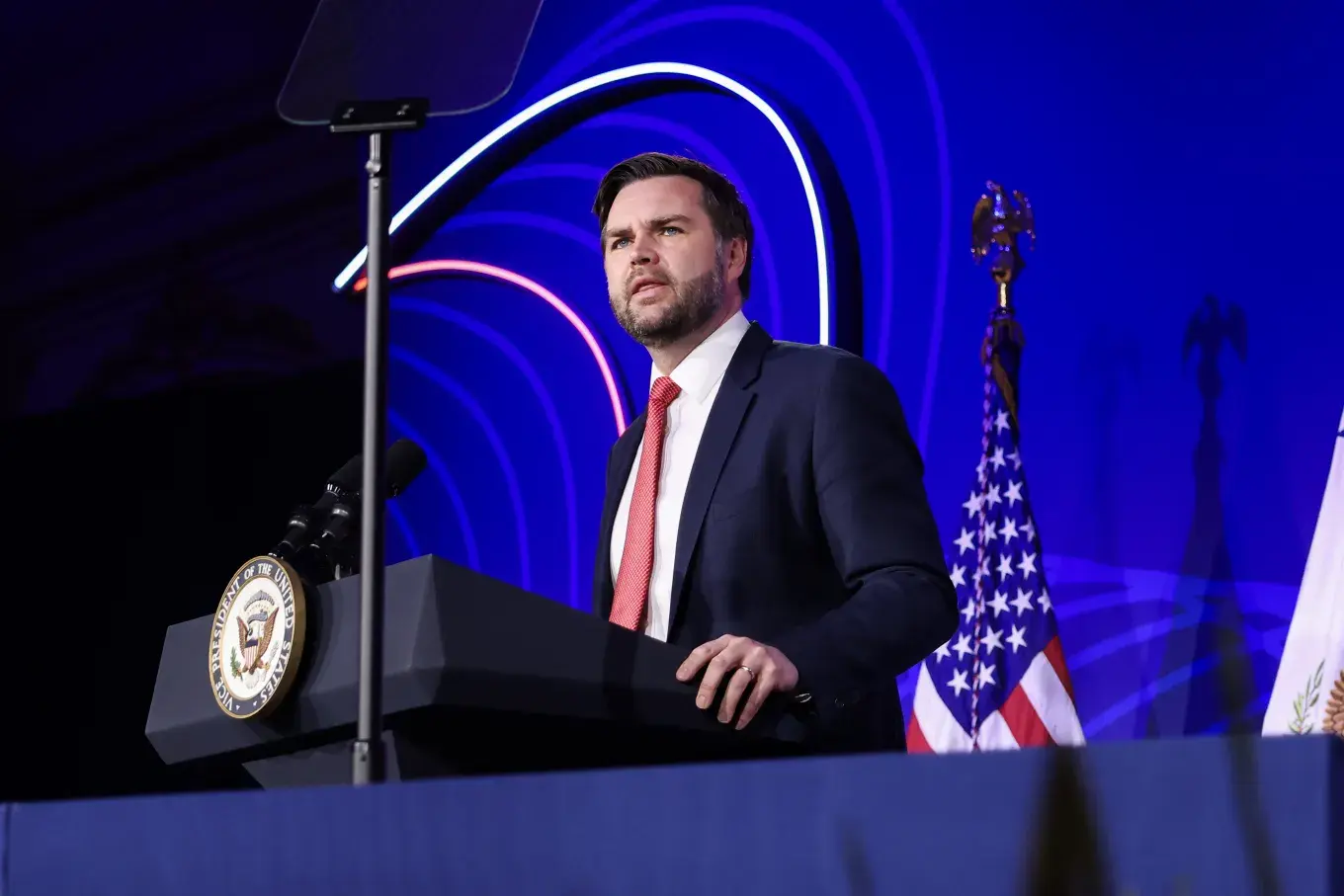
US Vice President JD Vance stated that Trump is "extremely impatient" with Russia and warned that a lack of good-faith negotiations would be "very detrimental" for Moscow. US Secretary of State Marco Rubio met with Russian Foreign Minister Sergey Lavrov for about 50 minutes in New York. Zelenskiy highlighted Russian drone and aircraft incursions into NATO member states like Poland and Estonia, arguing that Putin is testing new war boundaries and that "no one feels safe now."
III. Market Impact Analysis
Arms race risks heighten global uncertainty
The Russia-Ukraine conflict is accelerating weapons innovation, especially the integration of AI, which Zelenskiy warned could lead to the most destructive arms race yet. If global regulations fail to curb the spread of AI weapons, it could raise risks of nuclear escalation, encouraging investors to increase their allocations to gold as a hedge against technology-driven conflicts.
Ukraine's weapon exports reshape the arms trade landscape
By opening exports of its proven advanced systems, such as drones, Ukraine could boost global arms trade growth. However, this also raises concerns about technology falling into adversarial hands, potentially sparking a new arms race. This could drive up defense spending and inflation, enhancing gold's anti-inflation properties, especially amid supply chain disruption risks.
US-Russia diplomatic uncertainty amplifies energy pressures
Rubio's brief meeting with Lavrov, combined with Trump's impatient rhetoric, could provoke Russian energy countermeasures, such as cutting natural gas supplies. This would disrupt European energy markets, exacerbate global inflation expectations, and bolster gold's long-term value as a monetary alternative asset.
IV. Technical Analysis
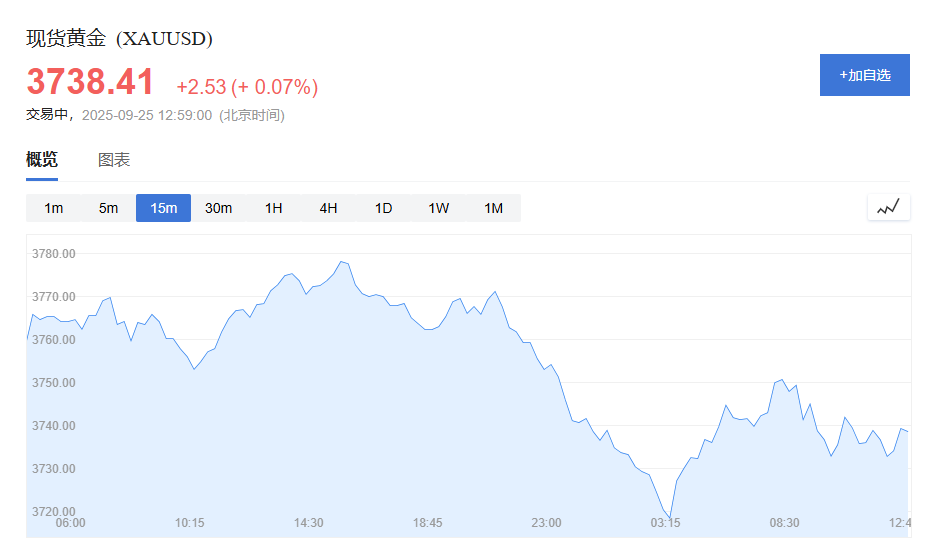
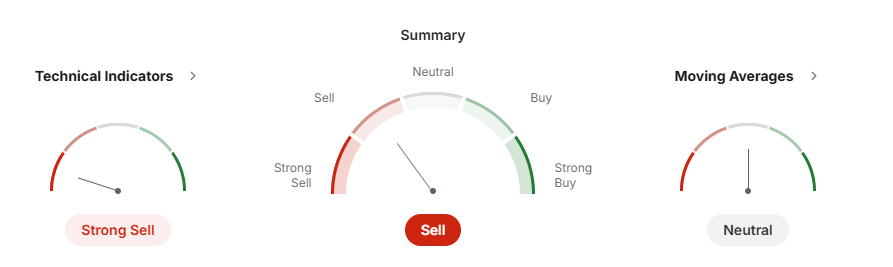
Spot gold was trading at 3738.41 USD per ounce on September 25 at 12:59 Beijing time, with slight oscillations amid geopolitical tensions. The relative strength index (RSI, 14) stands at 43.408, and the MACD (12,26) is at -5.94, both indicating a sell signal. Overall, the technical trend is strongly bearish, suggesting gold may enter a profit-taking phase with short-term declines. However, geopolitical events could reverse this trend.
V. Prospect Outlook
Russia-Ukraine negotiations and war expansion risks
If Trump's tough stance translates into actual sanctions or military aid, it could escalate the conflict. Should Russia refuse sincere negotiations, the risk of war spillover would increase gold's safe-haven premium.
AI weapon regulations and global arms race
Zelenskiy's call for global rules to limit AI in weapons could gain traction, but if the UN fails to reach consensus, it might accelerate an arms race, heightening market uncertainty and favoring gold as a non-political asset.
Impact of Ukraine's weapon exports
Ukraine's decision to export advanced weapons could reshape global arms dynamics, but if the technology ends up with adversaries, it would intensify geopolitical tensions, providing further long-term support for gold prices.
Summary
Zelenskiy's UN warning about the Russia-Ukraine war triggering a dangerous arms race elevates geopolitical risks to new levels. Amid accelerating weapons innovation, energy inflation concerns, and policy uncertainty, gold's safe-haven and anti-inflation attributes receive structural support. Investors should closely monitor Russia-Ukraine diplomatic developments, UN discussions on AI weapons, and changes in US aid policies, as these factors will determine whether gold can rebound and break through the 3800.00 USD per ounce level.