

I. Event Overview
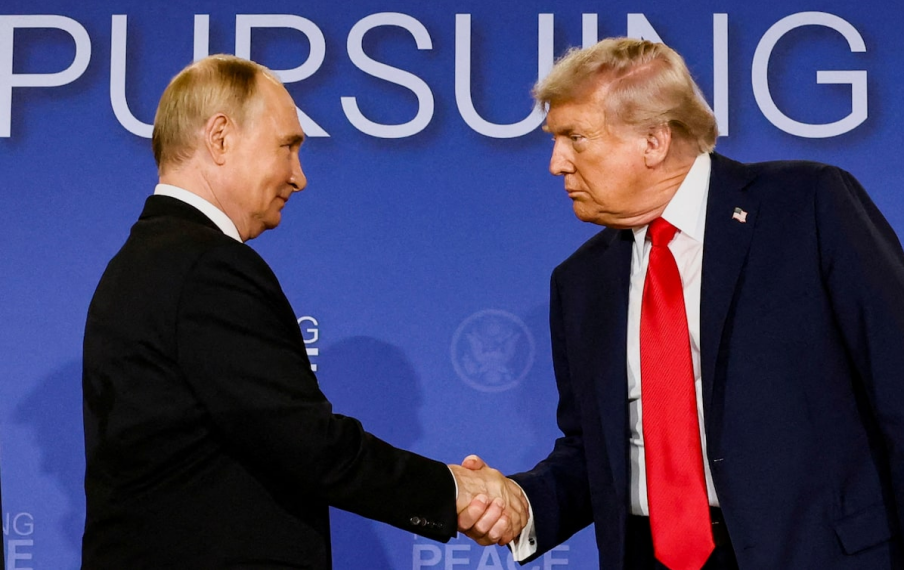
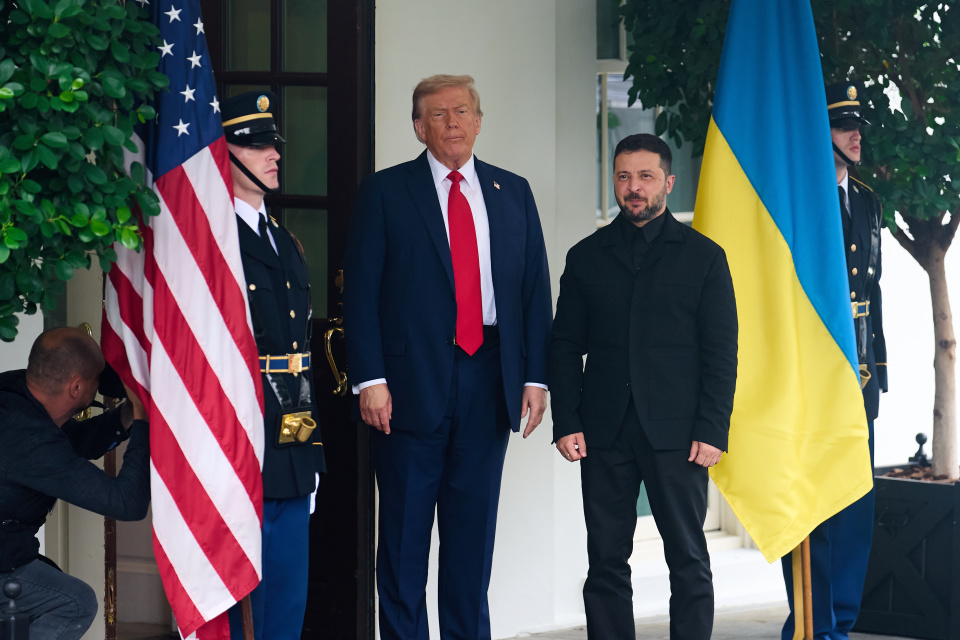
On October 16, 2025, U.S. President Trump and Russian President Putin reached an agreement to hold a new meeting in Budapest to discuss the war in Ukraine, following an extended telephone call. Trump stated that the call was productive and that both sides intended to meet within the next two weeks. While the specific date of the meeting has not yet been confirmed, this sudden decision has raised questions about whether the U.S. will continue to provide additional military support to Ukraine. Meanwhile, Ukrainian President Zelenskyy is also set to visit the White House on October 17 to push for more U.S. military aid, including long-range Tomahawk missiles.
II. Reactions from All Parties
The telephone conversation between Trump and Putin conveyed a conciliatory diplomatic stance, even as some political figures in the U.S. and Europe remain tough on Putin’s actions. Trump has repeatedly emphasized that he is a leader committed to peace and believes the war in Ukraine could have ended sooner. In contrast, Zelenskyy’s position differs significantly from Trump’s: Ukraine is strongly urging the U.S. to provide advanced weaponry to enhance its ability to counter Russia.
During the call, Putin clearly stated that providing long-range missiles to Ukraine would undermine the peace process and escalate tensions between the U.S. and Russia. In response, Trump joked, “Putin doesn’t want us to give Tomahawk missiles to Ukraine—he thinks they’re ‘vicious weapons.’”
III. Analysis of Market Impact
1. Impact of Political Uncertainty on Gold
The upcoming meeting between Trump and Putin, U.S. military support for Ukraine, and fluctuations in U.S.-Russia relations have all heightened uncertainty in global markets. Political volatility typically prompts investors to seek safe-haven assets, and demand for gold—as a core safe-haven asset—may be further boosted. In particular, Trump’s shift toward a more moderate and dialogue-oriented stance could increase market uncertainty about U.S. military aid policies, thereby driving up gold demand.
2. Escalating U.S.-Russia Tensions Boost Gold Demand
As U.S.-Russia relations deteriorate, demand for gold as a safe-haven asset may rise further. Market concerns about global geopolitical risks—especially if the war in Ukraine intensifies and Russia takes more aggressive measures—often lead to capital inflows into the gold market to hedge against potential risks.
3. Potential Impact of a Weak U.S. Dollar
If the talks between Trump and Putin continue to focus on diplomatic dialogue, market uncertainty about U.S. policies may weaken the U.S. dollar. A softer dollar usually increases the attractiveness of non-yielding assets like gold, which could therefore continue to rise in price.
IV. Technical Analysis
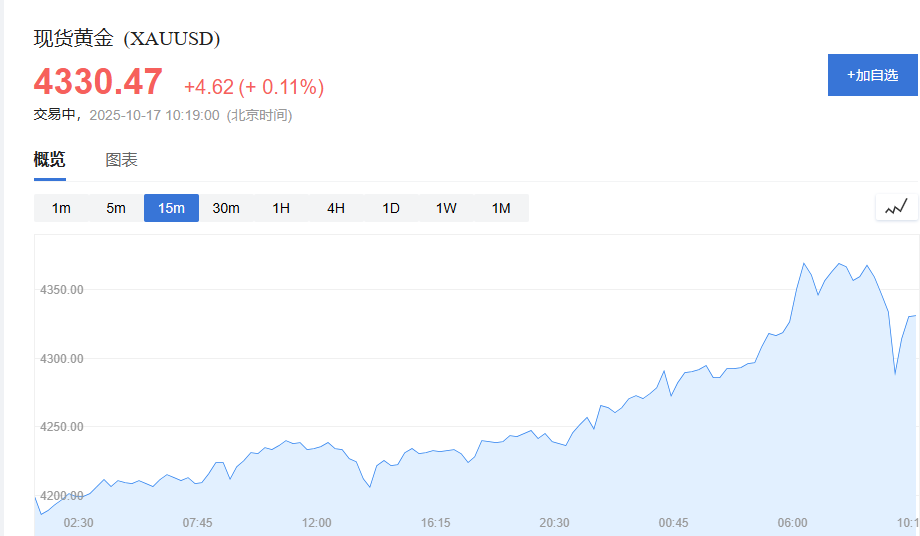
As of 10:19 on October 17, 2025, the spot gold price stood at $4,330.47 per ounce. Despite short-term profit-taking following a consecutive sharp rally, technical indicators show:
- The 14-day RSI (Relative Strength Index) is 65.332, remaining in the buying range;
- The MACD (12, 26) is 32.91, also in the buying range.
Currently, gold prices continue to trade within a strong upward channel.
V. Outlook
1. Long-Term Impact of Diplomatic Negotiations
The upcoming meeting between Trump and Putin may have a significant impact on the war in Ukraine. In particular, if the two sides reach any consensus in future negotiations, it could alter the prospects of Ukraine receiving military support. Any changes in such diplomatic progress may affect risk sentiment in global markets, thereby influencing gold prices.
2. Market Demand for Gold as a Safe-Haven Asset
Global markets continue to grapple with geopolitical tensions, Russia’s military actions, and policy 博弈 (gamesmanship) between the U.S. and other countries. If U.S.-Russia relations remain tense, market demand for gold may be further pushed up—especially given the uncertainty surrounding the outcome of Trump and Putin’s meeting.
3. Impact of Federal Reserve Policy
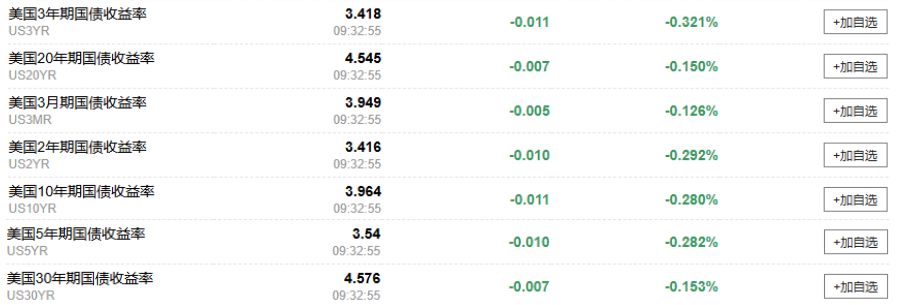
Changes in Federal Reserve monetary policy—particularly policy adjustments linked to U.S. political uncertainty—will also affect gold prices. If the market expects the Fed to continue cutting interest rates or adopt more accommodative monetary policies in the near future, it could further weaken the U.S. dollar and support higher gold prices.
Summary
The upcoming meeting between Trump and Putin, along with shifts in attitudes toward military aid to Ukraine, will continue to fuel global market uncertainty and drive up demand for gold as a safe-haven asset. Gold prices currently maintain a strong upward trend. Investors should closely monitor developments in U.S.-Russia relations, the progress of diplomatic negotiations, and global economic and policy trends to make timely investment decisions.