

I. Event Overview
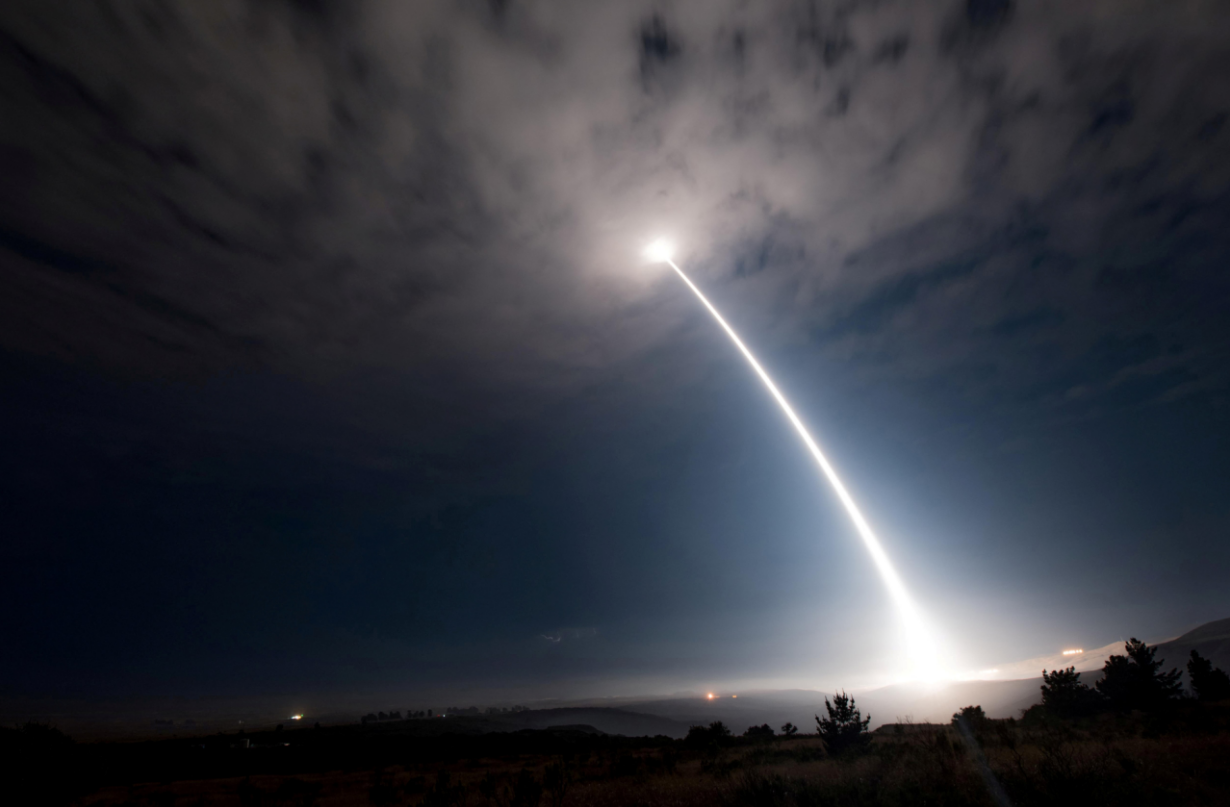
On October 30, U.S. President Donald Trump announced on Truth Social that he had ordered the Pentagon to immediately resume nuclear weapons testing procedures—marking the first resumption in 33 years after the hiatus. The decision comes in response to the expansion of China’s nuclear arsenal (which has doubled to approximately 600 warheads over the past five years) and Russia’s recent nuclear weapons tests (such as the nuclear-powered cruise missile on October 21 and the Poseidon nuclear-powered torpedo on October 28). Trump emphasized that the U.S. must maintain leadership in nuclear capabilities, noting that Russia and China rank as the world’s second and third-largest nuclear powers respectively. The Pentagon projects that China will possess over 1,000 nuclear weapons by 2030. Following Trump’s announcement, Russia and China responded cautiously to the decision, warning that it could trigger a global nuclear arms race.
Trump’s decision may escalate global nuclear uncertainty and increase geopolitical risks. The move has attracted widespread attention, particularly against the backdrop of rising tensions among nuclear powers including the U.S., Russia, and China. As a safe-haven asset, gold is likely to see a surge in demand due to market concerns over uncertainty.
II. Reactions from All Parties
U.S. Government
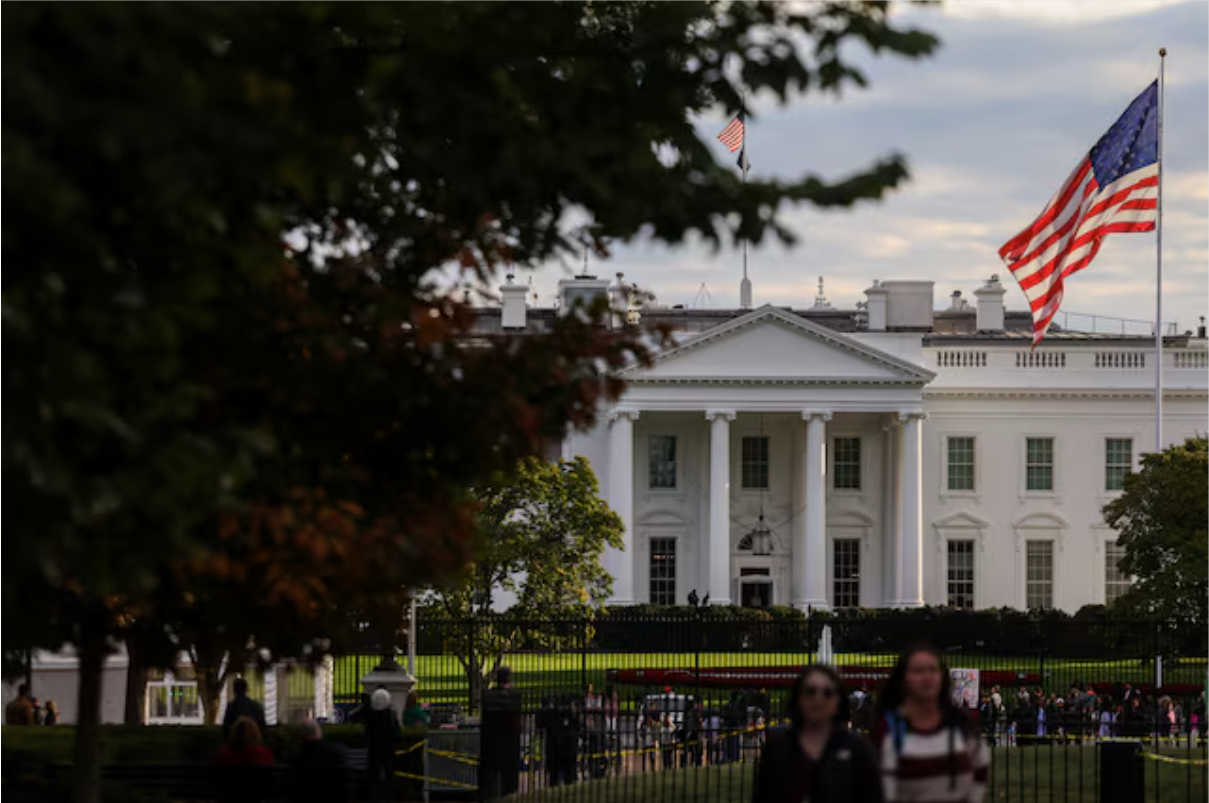
Trump announced the decision to resume nuclear weapons testing via social media, stating that the move would ensure the U.S. maintains an advantage in the nuclear competition with China and Russia.
U.S. Vice President JD Vance said resuming testing is a necessary step to ensure the proper functionality of the nuclear arsenal. However, many U.S. politicians have expressed concern, arguing that the decision could trigger a new nuclear arms race and further escalate global tensions.
Russian Government
Russia responded cautiously to Trump’s statement, noting that its recent nuclear missile tests did not involve nuclear explosions and emphasizing that the country has maintained updates to its nuclear arsenal. Russia stated that if other countries resume nuclear testing, it will have to respond—further intensifying uncertainty in the global security landscape.
III. Market Impact Analysis
1. Rising Geopolitical Risks
Trump’s decision to resume nuclear weapons testing significantly increases the risk of a global nuclear war, especially amid the growing expansion of nuclear weapons. The market will become more sensitive to geopolitical uncertainty, and demand for gold as a safe-haven asset is likely to rise sharply, driving up gold prices.
2. Increased Gold Demand
The resumption of nuclear weapons testing may trigger a global nuclear arms race, prompting countries to strengthen military preparedness and resource investment. As a safe-haven asset, gold typically becomes the first choice for investors during periods of global market volatility and increased uncertainty. Investors may purchase large quantities of gold to hedge against risks brought by geopolitics.
3. Inverse Relationship Between U.S. Dollar Trend and Gold
Trump’s nuclear testing decision may put pressure on the U.S. dollar, especially as global risk sentiment heats up. A weaker U.S. dollar usually drives up gold prices, as gold is priced in U.S. dollars—making gold more attractive when the dollar weakens.
IV. Technical Analysis
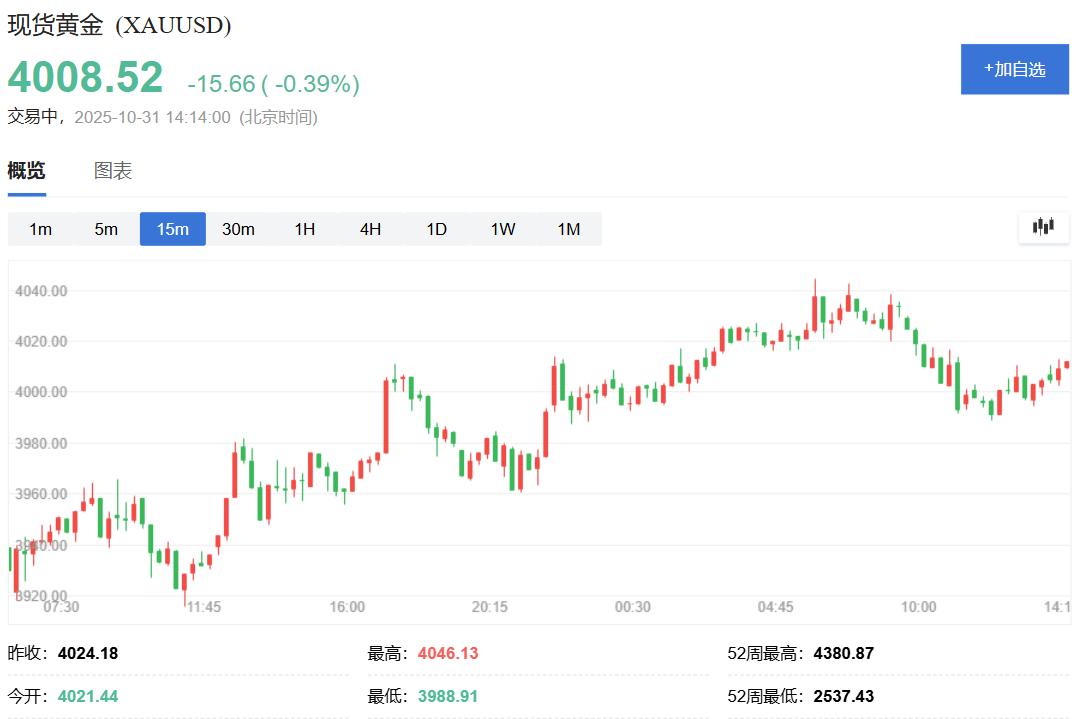
As of 14:14 Beijing Time on October 31, the spot gold price was $4,008.52 per ounce. Gold prices pulled back slightly in the morning but generally remained at a relatively high level with limited volatility. The adjustment in gold prices reflects the market’s digestion of recent geopolitical and economic risks.
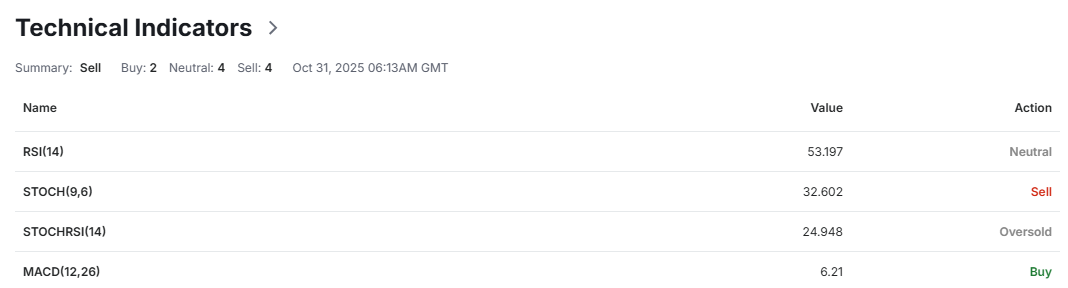
Technical indicators show a relatively balanced market sentiment:
- The RSI (14) stands at 53.197;
- The STOCH (9,6) is 32.602, in the sell zone;
- The STOCHRSI (14) is 24.948, entering the oversold zone—suggesting the market may be approaching a short-term bottom with potential for a rebound;
- The MACD (12,26) is a positive 6.21.
Overall, the market still has upward momentum in the short term, supporting the possibility of further gains in gold prices.
V. Outlook
1. Implementation of Nuclear Testing and Counterpart Responses
If the U.S. moves forward with testing (which requires 36 months of preparation), Russia and China may follow suit—deepening the nuclear crisis and pushing up the safe-haven premium for gold prices. Conversely, if negotiations resume, short-term easing will be negative for gold prices.
2. Dynamics of International Arms Control
If intervention by the United Nations and treaty organizations expands, it may trigger broader sanctions—strengthening medium- to long-term support for gold. Progress in trilateral dialogue between the U.S., China, and Russia will influence systemic risks.
Summary
Trump’s order to resume U.S. nuclear weapons testing marks a new phase in global nuclear tensions. Concerns over geopolitical risks and arms races support safe-haven demand for gold. Despite potential short-term pullbacks, diplomatic divisions, counterpart responses, and inflation concerns provide room for upward movement. Investors should focus on test preparations, international reactions, and supply chain dynamics.