

I. Gold Prices Gap Higher at Open
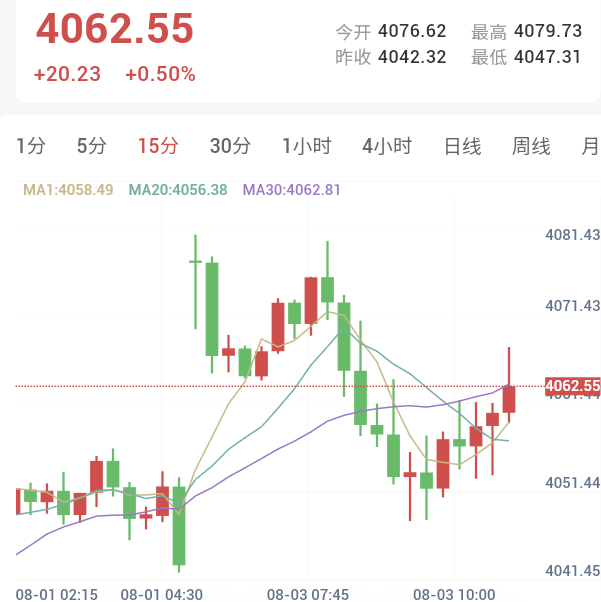
During early Asian trading on August 3, spot gold gapped significantly higher at the market open, briefly touching $4,082.28 per ounce—an advance of nearly $40 relative to Friday's session close—before consolidating near the $4,070 level. Over the weekend, Middle Eastern geopolitical dynamics experienced a major pivot after US President Donald Trump announced the cancellation of a planned military strike against Iran, confirming that diplomatic negotiations between the two nations will commence on August 4.
II. Weekend Pivots: Trump Pauses Strikes as Maritime Negotiations Emerge
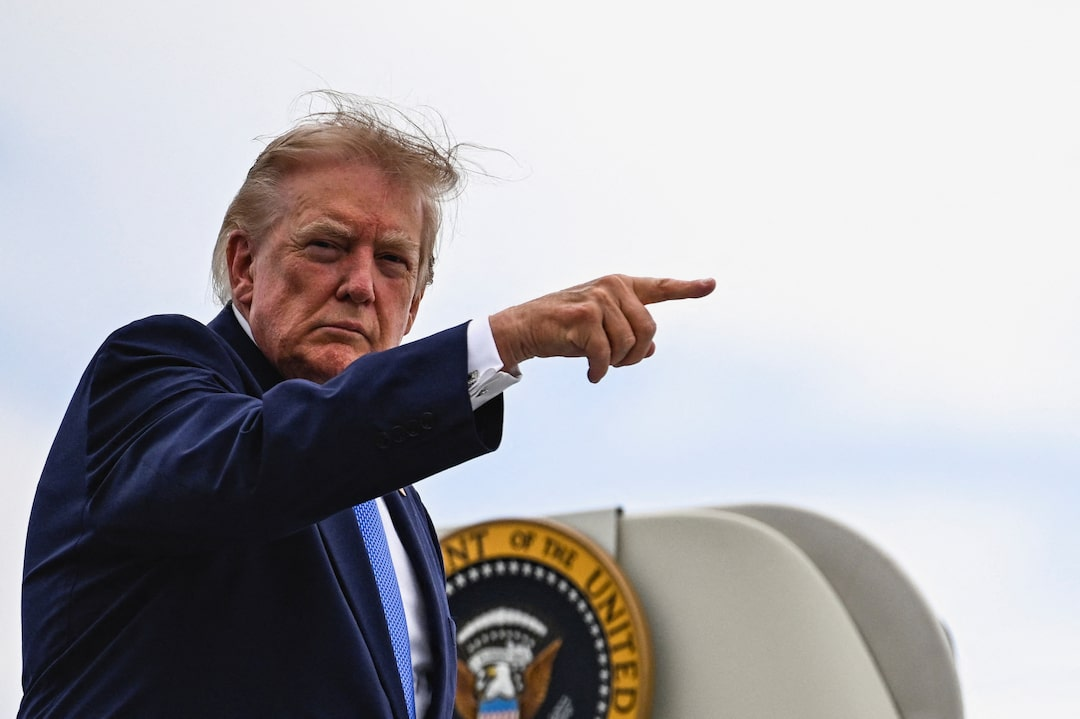
Since late February, when joint US and Israeli military operations targeted assets in Iran, regional geopolitics have remained strained while transit risks across the Strait of Hormuz systematically escalated. Last Friday, select commercial tankers reversed course, driving major benchmark energy contracts up over 1% on the session to close out their strongest monthly performance since March. However, conditions shifted over the weekend.
President Trump publicly stated that in response to requests from regional allies to allow time for a diplomatic breakthrough, he agreed to pause military operations provided an agreement is rapidly finalized to guarantee the full reopening of the Strait of Hormuz and neutralize nuclear concerns. Iranian officials signaled openness, with Foreign Minister Araghchi stating that bilateral discussions with Oman regarding joint maritime traffic management and alternative transit routes reached their final stages. Iranian diplomatic spokespersons clarified that negotiations remain bilateral while cautioning that any aggressive maneuvers would draw retaliatory responses.
Consequently, market anxieties surrounding potential strait blockades and broader energy supply disruptions receded. On August 3, benchmark energy futures opened sharply lower, with primary contracts tumbling over 7% to touch a 4-session low of $78.78 per barrel. Softening energy prices have mitigated upside inflation pressures and relieved immediate market anxiety regarding further central bank monetary tightening.
III. July Session Close: First Monthly Gain in Five Months as Inflation Guides Expectations
The underlying catalyst for July's monthly gain stemmed from softening US inflation metrics. June PCE readings indicated easing price pressures, prompting market participants to lower expectations for additional Federal Reserve rate hikes this year. CME FedWatch data shows that the probability of a September rate increase receded from over 80% to roughly 65%. The Federal Reserve left interest rates unchanged at its July meeting, with Chair Kevin Warsh refraining from providing explicit guidance on future rate hikes.
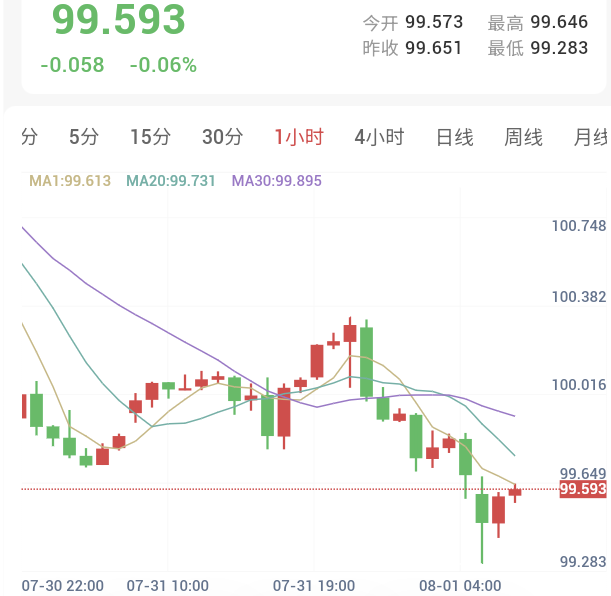
The US Dollar Index faced persistent selling pressure throughout July, dropping 2.4% last Thursday—its sharpest single-day decline since January 2023—and closing the week down 1.6%. In early August 3 trading, the dollar index fell an additional 0.24% to touch 99.52, its lowest level in six weeks. Meanwhile, 10-year and 30-year US Treasury yields drifted higher over the month, reflecting ongoing market repricing of monetary policy and geopolitical developments.
Market analysts noted that while gold snapped a four-month losing streak, price action continues to oscillate around the pivotal $4,000 baseline, with shifting monetary policy focus providing ongoing support above $4,000.
IV. Super Non-Farm Week Arrives: Heavy Data Slate Triggers Divided Institutional Views
Looking ahead to the coming week, global macro focus shifts decisively toward a dense slate of US labor market indicators. Monday features the July ISM Manufacturing PMI; Tuesday brings the JOLTS Job Openings report; Wednesday delivers ADP private payrolls and the ISM Services PMI; Thursday features weekly initial jobless claims; and Friday concludes with the July Non-Farm Payrolls and unemployment rate report.
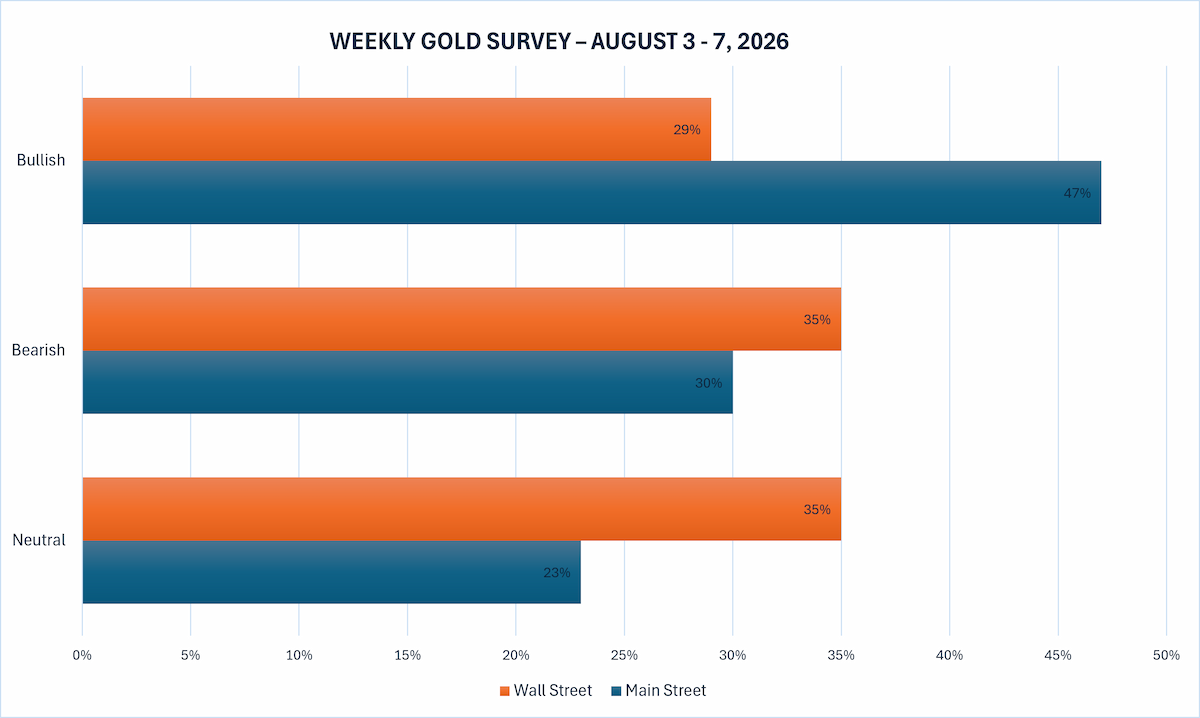
Market sentiment surveys reveal a cautious consensus. Kitco's latest survey of 17 institutional analysts showed 29% bullish, 35% bearish, and 36% neutral. Among retail investors, 47% favored upside, 30% anticipated downside, and 23% expected rangebound consolidation, underscoring market hesitancy as geopolitical relief clashes with impending macroeconomic data.
The trajectory of energy markets remains a key variable. If diplomatic negotiations progress smoothly, subdued energy prices will maintain current monetary expectations; conversely, if talks stall, energy price rebounds could reintroduce inflation pressures.
Conclusion
Gold's near $40 upward gap on August 3 highlights the direct sensitivity of precious metals to geopolitical headlines. President Trump's decision to pause military action and initiate talks, paired with plunging energy prices and dollar weakness, provided immediate short-term support. Gold's positive July close demonstrates underlying resilience at current valuation levels.
However, sustained upside momentum will depend on the upcoming non-farm payrolls report and concrete progress in diplomatic negotiations. Investors should monitor employment data and geopolitical disclosures closely while maintaining disciplined risk parameters.