

ADP Misses Expectations, Gold Stages Epic Rebound as NFP Looms
1. Gold Rebounds Sharply from $4,282 Lows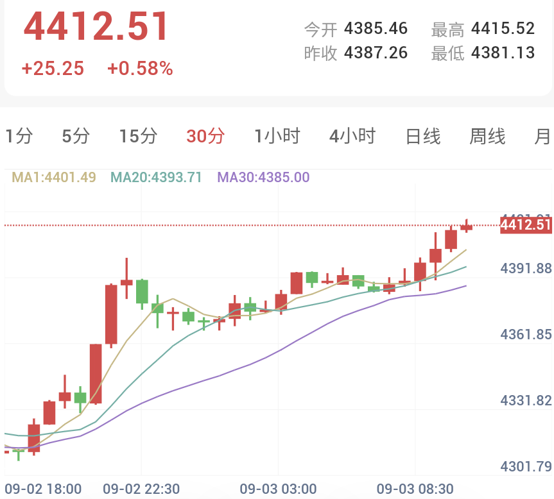
On September 2, spot gold ended its consecutive losing streak, plunging to an intraday low of $4,282.48/oz to refresh its lowest level since early August, before swiftly rebounding by over $100. It ultimately closed up 1.36% at $4,387.26/oz. U.S. gold futures for December delivery stabilized in tandem, closing near $4,414.60.
During the early Asian session on September 3, gold oscillated higher around the $4,412 mark. After dropping continuously from near $4,696 in late August and briefly piercing below $4,300, this rebound has allowed the price to reclaim levels above $4,380, though it remains significantly distanced from its previous highs.
2. U.S. ADP Employment Falls Short of Expectations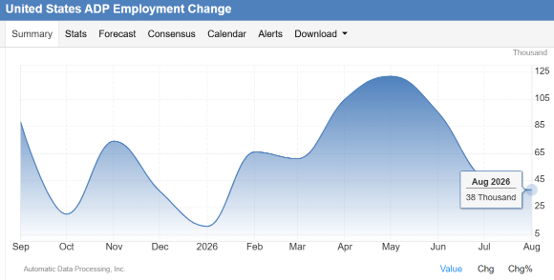
The U.S. ADP employment report for August, released on Wednesday, became the focal point for markets. Data showed that the U.S. private sector added only about 38,000 jobs during the month, falling well below market expectations of 48,000.
Following the weak employment data, market expectations regarding the continued strength of the U.S. labor market cooled, alleviating the recently mounting interest rate pressures. A Barron's report highlighted that U.S. gold futures snapped a three-day losing streak and rebounded following the ADP release.
Previously released JOLTS job openings for July stood at 7.271 million, with both hiring and quit rates hovering around 3.2%, and the layoff rate at 1.0%. This indicates that U.S. corporate hiring and firing activities broadly remain in a cautious state.
3. Treasury Yields Pull Back from Three-Year Highs
The bond market also witnessed significant shifts. The U.S. 10-year Treasury yield surged to around 4.818% intraday on Wednesday—marking a near three-year high—before retreating to approximately 4.79%, snapping a five-day rising streak. The 30-year yield similarly pulled back from highs near 5.30%.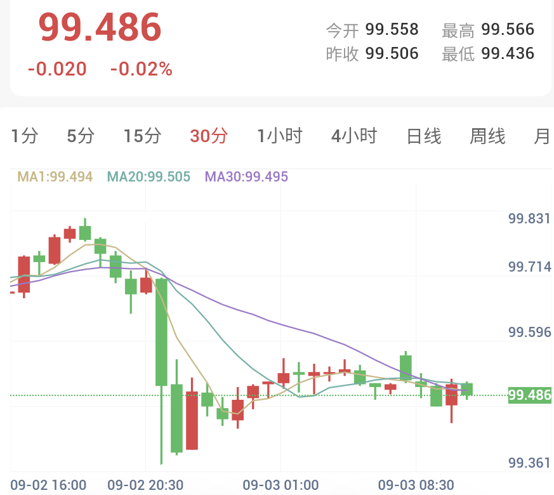
The U.S. Dollar Index also retreated from around 99.85 to roughly 99.456 on the same day. The synchronized cooling of the dollar and long-term Treasury yields provided the necessary conditions for gold's rebound after days of persistent pressure.
However, at the Jackson Hole Symposium, Fed Chair Warsh explicitly stated that the 2% PCE inflation target remains a definitive goal. He pointed out that while the labor market remains generally stable, inflation is still noticeably above target, meaning the Fed's primary focus currently remains on price levels.
4. US-Iran Conflict Continues to Impact Markets
In the Middle East, the US-Iran military conflict is ongoing. The U.S. recently took further action against Iran-linked military facilities, and Iran subsequently responded by targeting U.S. assets in the Gulf region.
Traffic through the Strait of Hormuz has also remained low. Recent shipping data indicates that on some trading days, only about 4 commodity transport vessels passed through the strait, a stark decrease from previous levels. The regional tensions have kept energy prices elevated, continually fueling market fears of recurring U.S. price pressures. Recent conflicts have also expanded into areas including Bahrain and Kuwait.
5. Non-Farm Payrolls Stand as the Next Key Data Point
Market focus has now shifted entirely to the U.S. August Non-Farm Payrolls (NFP) report. The U.S. Bureau of Labor Statistics schedule indicates that the August employment report will be released at 8:30 AM Eastern Time on September 4.
Previously, in July, U.S. non-farm payrolls contracted by 23,000, with the unemployment rate holding at 4.1%, while job numbers for May and June were revised down by a cumulative 103,000.
In summary, gold has staged a pronounced rebound from the $4,282 low, currently recovering to near $4,380. In the short term, the first focus is whether $4,400 can be decisively broken to the upside, while downside observation zones sit between $4,315 and $4,300. Moving forward, the U.S. NFP data, Treasury yield movements, and developments in the Middle East conflict will be the primary catalysts determining whether gold can extend this current rally.