

1. Event summary
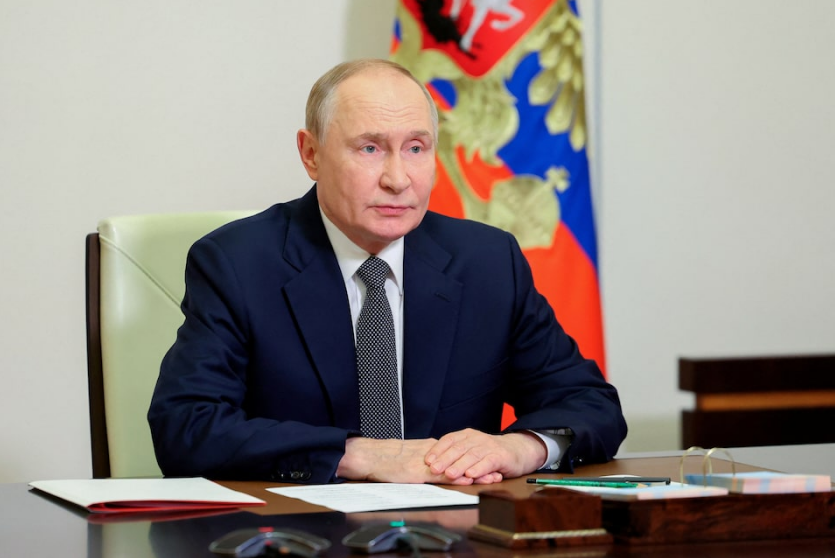
- On October 7, 2025, Russian President Vladimir Putin chaired a Security Council meeting on his 73rd birthday. He said Russian forces this year have occupied nearly 5,000 square kilometers (about 1,930 sq miles) of Ukrainian land, about 1% of Ukraine’s territory, and that Russia controls nearly 20% of Ukraine’s total area.
- Putin said Russia has full strategic initiative on the battlefield and that Ukrainian forces have retreated on many fronts despite fierce resistance. He added that Ukrainian strikes into Russian territory have not changed the situation.
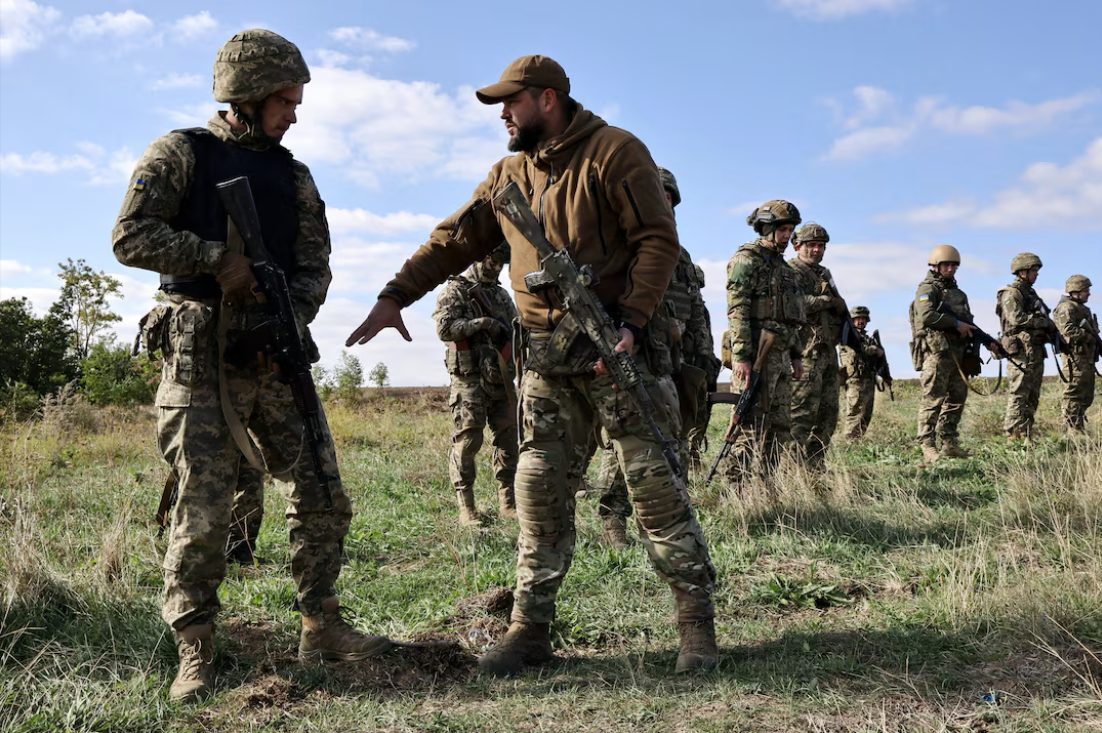
- Russian Chief of General Staff Valery Gerasimov said troops are advancing in almost all directions, naming areas in Donetsk (Pokrovske, Siversk, Kostiantynivka), the northeast (Kupiansk), the south (Zaporizhzhia), and Dnipropetrovsk, and said buffer zones are being formed near Sumy and Kharkiv.
- The Russian Defense Ministry reported they captured two more villages and that the front line stretches over 1,250 km.
- Putin repeated the stated goals of the “special military operation”: the “demilitarization and de-Nazification” of Ukraine.
- Ukraine’s military and President Volodymyr Zelenskiy said Russia has not taken major cities and that Ukraine has made gains near key logistics hubs and border areas. These conflicting reports show the fighting remains intense and diplomacy is stalled, raising global safe-haven concerns.
2. Reactions
- Putin said Russian forces hold the initiative and blamed Kyiv for attacks that do not change the outcome. Gerasimov stressed advances across many directions. The Russian Defense Ministry confirmed more territorial gains.
- Zelenskiy said Ukraine reclaimed land near key logistics points in Donetsk and near the Sumy border. Both sides accuse each other of gains and losses, highlighting battlefield disagreement and the risk of a prolonged conflict.
3. Market impact analysis
1) Higher geopolitical tension boosts safe-haven demand
- Putin’s claim of nearly 5,000 sq km and battlefield initiative highlights the risk of a protracted war. This may raise fears of broader military escalation and European energy problems, pushing investors toward gold as a hedge. That creates short-term safe-haven premium for gold.
2) International division increases uncertainty
- Conflicting battlefield claims and rising security concerns in Europe may lead to more sanctions or political isolation of Russia. This can prompt sovereign funds and institutional investors to increase gold holdings as a hedge against alliance and policy risks, supporting longer-term gold demand.
3) Energy worries raise inflation expectations
- If the conflict deepens and disrupts gas or power supplies—especially with winter approaching—energy prices and inflation expectations could rise. Gold, seen as an inflation hedge, would benefit as investors protect against higher prices and economic volatility.
4. Technical analysis
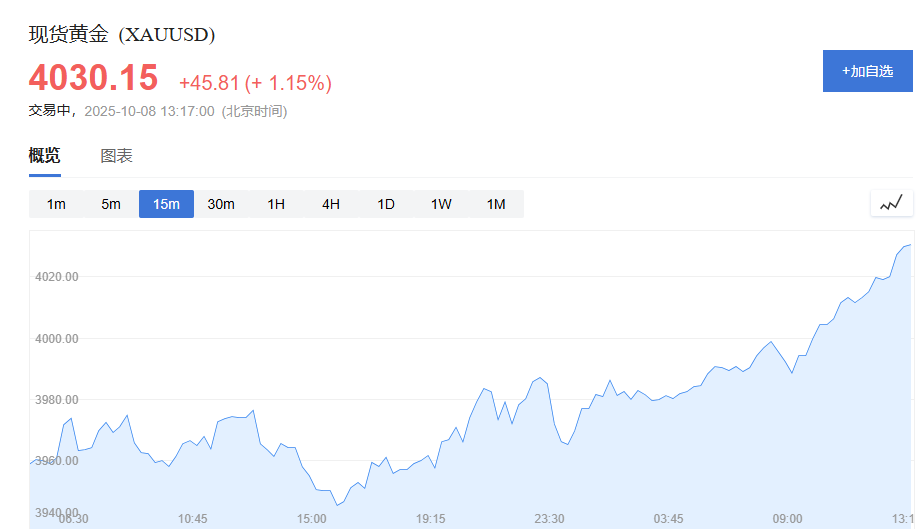
- At 13:17 Beijing time on October 8, spot gold was $4,030.15 per ounce, up 1.15% on the day.
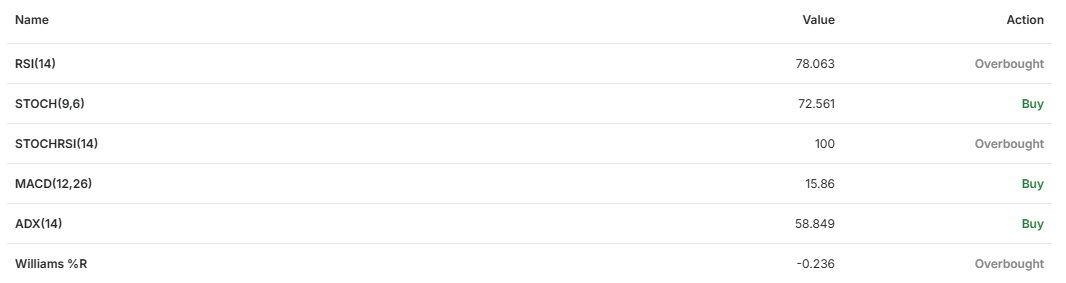
- The 14-day RSI was 78.063 (overbought). The MACD (12,26) was 15.86, showing a buy signal and strong upward momentum.
- Short-term support is near $3,980 per ounce. Gold remains strong on the upside. Continued political unrest and the U.S. government shutdown add to upward pressure.
- Goldman Sachs expects gold could exceed $4,600 per ounce by the end of 2026.
5. Outlook
1) Conflict escalation and energy disruption risk
- If Russia keeps advancing, winter energy shortages in Europe could deepen and push gold higher. If diplomacy eases tensions, gold could fall short term.
2) NATO and international response
- Stronger allied support for Ukraine or wider sanctions could raise systemic risk and support gold in the medium to long term. EU and UN actions will be important.
3) Global energy market volatility
- Any gas or energy supply disruptions that drive prices up will raise inflation expectations and strengthen structural demand for gold.
Summary
Putin’s claim of nearly 5,000 sq km taken this year signals rising Russia-Ukraine tensions. The news raises safe-haven and inflation hedging demand, supporting higher gold prices. Short-term moves will depend on battlefield developments, NATO and international responses, and energy market changes. Investors should watch winter energy risks, NATO decisions, and shifts in frontline dynamics.