

I. Event Overview
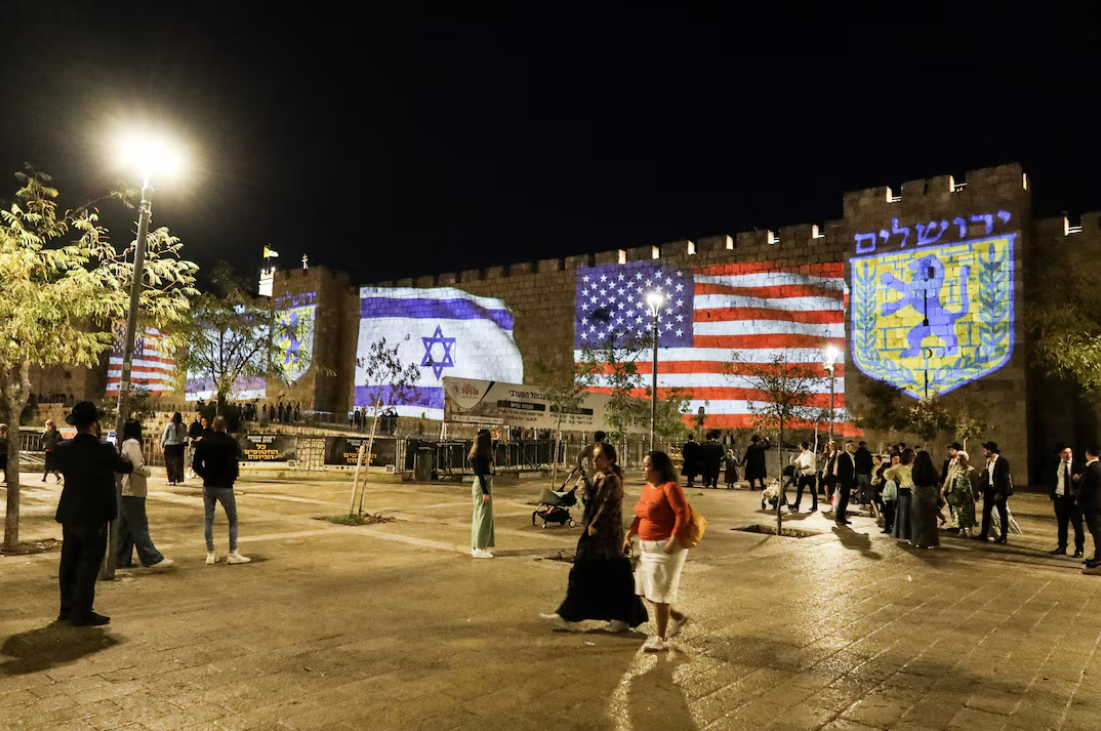
In the early morning of October 10, the Israeli government approved a ceasefire agreement with Hamas, the Palestinian militant group. This agreement initiates a pause in hostile actions in Gaza within 24 hours and the release of Israeli hostages within 72 hours. As the first phase of U.S. President Donald Trump’s 20-point Gaza initiative, the agreement includes provisions such as an exchange of Israeli hostages for Palestinian prisoners, a phased withdrawal of Israeli troops, the formal end of Gaza’s starvation blockade, and the influx of humanitarian aid.
Khalil al-Hayya, the exiled Hamas leader in Gaza, stated that he had received assurances from the United States and other mediators regarding the end of the war. An Israeli spokesperson announced that the ceasefire would take effect within 24 hours of approval, followed by the release of hostages within 72 hours (20 are confirmed alive, 26 are presumed dead, and 2 have unknown status).
Hamas indicated that recovering the bodies of the deceased would require more time. If fully implemented, the agreement will end the two-year war (the Hamas attack on October 7, 2023, killed 1,200 people in Israel and took 251 hostages; Israel’s counterattacks have resulted in over 67,000 deaths in Gaza). However, details such as post-war governance, the future of Hamas, and its disarmament remain unclear. Benjamin Netanyahu faces threats from far-right coalition partners, and excessive concessions could lead to the collapse of his government.
Trump stated that he might visit Egypt on Sunday to attend the signing ceremony and has been invited to address the Israeli Knesset. Arab and Western countries have expressed support for the agreement, and the Paris Conference will discuss international peacekeeping forces and reconstruction aid. The United States will deploy 200 troops as the core of a joint task force (which will not enter Gaza), with participation from Egypt, Qatar, and Turkey.

II. Reactions from All Parties
Trump described the agreement as "nearly completed," mentioned he might visit Egypt over the weekend, thanked the mediators, and stated that "all parties are being treated fairly." Netanyahu invited Trump to address the Knesset, and the two held a phone call to congratulate each other on this "historic achievement." Families of Israeli hostages gathered at "Hostage Square," with Enav Zaghaurker saying, "I can’t breathe, I can’t explain this feeling... it’s crazy." Abdul Majid Abdul Rabo, a Gaza resident, commented, "Thank God for the ceasefire; it puts an end to the bloodshed." People across Gaza, the Arab world, and beyond are celebrating this development.
Itamar Ben-Gvir, Israel’s far-right National Security Minister, warned that he would topple the government if Hamas is allowed to continue ruling Gaza. Sources from Hamas stated that the agreement requires a complete withdrawal of Israeli troops. Gaza’s health authorities reported 7 deaths before the ceasefire took effect.
III. Market Impact Analysis
1. Short-Term Suppression of Safe-Haven Demand Amid Geopolitical Easing Expectations
If the ceasefire agreement approved by Israel is fully implemented, it may end the war in the Middle East and reduce the geopolitical risk premium. This will temporarily weaken gold’s safe-haven appeal, as investors shift to riskier assets, leading to a correction in gold prices. However, if disagreements cause the agreement to collapse, a resurgence of conflict will support gold prices.
2. Intensified International Divisions Amplify Diplomatic Uncertainty
Hamas’ demand for troop withdrawal and Israel’s insistence on disarmament have heightened uncertainty. Additionally, Arab countries’ calls for the establishment of a Palestinian state may trigger frictions. These factors are prompting sovereign funds to increase their gold allocations to hedge against risks from divisions, forming structural buying demand.
3. Progress of the Gaza Agreement and Concerns Over Reconstruction
The implementation of the agreement can alleviate the humanitarian crisis, but uncertainties surrounding governance and financing (such as the exclusion of Hamas from relevant processes) may persist. This will push up inflation expectations and strengthen gold’s anti-inflation attribute.
IV. Technical Analysis
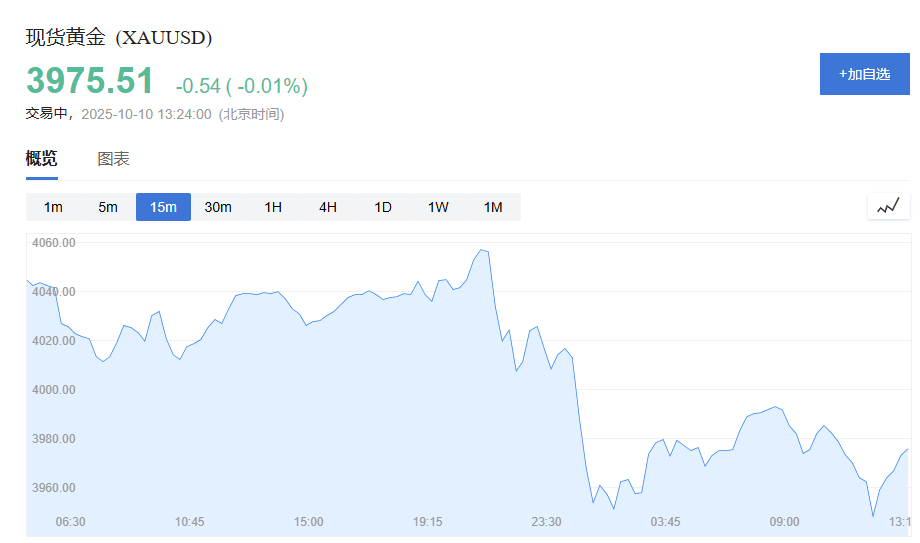
As of 13:24 Beijing Time on October 10, spot gold was quoted at $3,975.51 per ounce. Amid easing tensions in the Middle East, it fell by 0.36% at one point during intraday trading. From the hourly chart perspective:
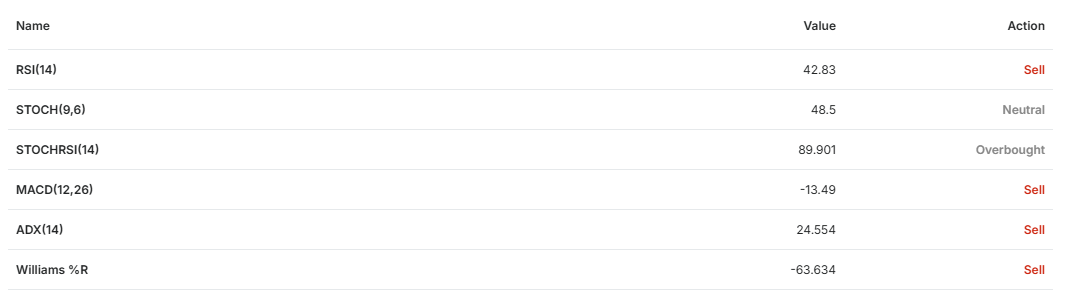
- The Relative Strength Index (RSI, 14) stands at 42.83, approaching the oversold range.
- The Moving Average Convergence Divergence (MACD, 12, 26) reads -13.49, typically in the sell zone.
Overall, gold maintains a volatile downward trend.
V. Outlook
1. Agreement Implementation and Hostage Release
If the release of hostages and troop withdrawal begin on Saturday, it may accelerate the ceasefire process and exert short-term downward pressure on gold prices. However, if Hamas or Israel delays implementation and the agreement collapses, tensions will rise, which is favorable for gold’s safe-haven premium.
2. Participation of Arab Countries and the International Community
If the Paris Conference gains support from countries like Saudi Arabia, it may advance the peace process. Nevertheless, disputes over governance could trigger sanctions and widen rifts between the U.S. and Europe, strengthening medium- to long-term support for gold.
3. Reconstruction and Governance Dynamics
If the role of international forces in post-war affairs remains unclear, growing international divisions will increase systemic risks, providing structural demand for gold.
Summary
Israel’s approval of the Gaza ceasefire agreement with Hamas marks a potential turning point in the Middle East’s geopolitical landscape. Expectations of easing tensions have temporarily suppressed gold’s safe-haven demand. However, risks persist, including disagreements over details, concerns about governance, and uncertainties surrounding the agreement’s implementation. Driven by multiple factors—such as the wave of international conferences, progress in peace talks, and lingering energy concerns—gold’s safe-haven and anti-inflation attributes have been strengthened. Investors should focus on key developments including the implementation of hostage release, statements from Arab countries, and progress in reconstruction efforts.