

I. Event Overview
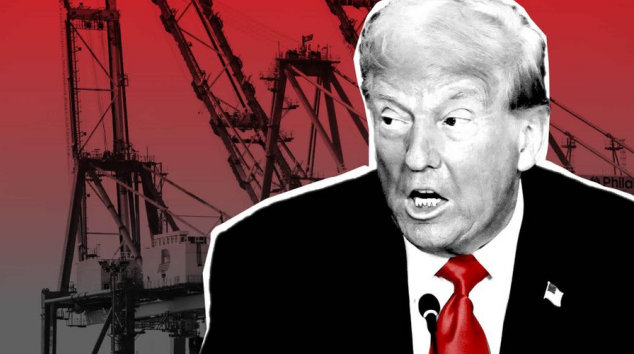
On October 13, 2025, U.S. President Donald Trump threatened to impose a 100% tariff on Chinese goods, reigniting the China-US trade war. This move significantly disrupted the agenda of the annual meetings of the International Monetary Fund (IMF) and the World Bank. Prior to this, after several months of diplomatic efforts, China and the U.S. had reached a partial truce, leading to a reduction in tariff levels and prompting the IMF to raise its global economic growth forecast. However, Trump’s latest threat has broken this stalemate, triggering severe volatility in the markets.
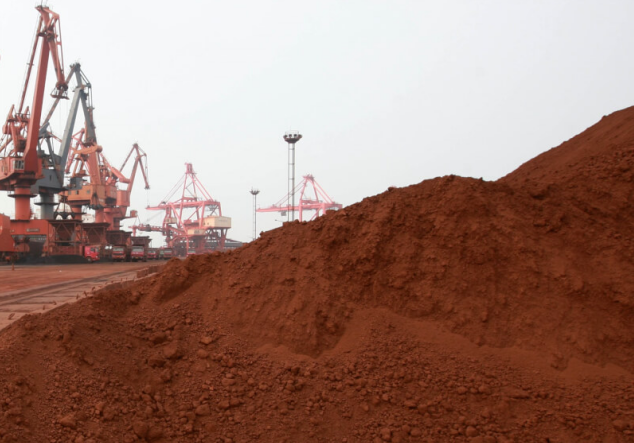
Trump stated that if China does not lift restrictions on rare earth exports, the U.S. may take measures to "impose massive additional tariffs," further escalating trade tensions between the two countries. This move has also sparked unease in the global economy, particularly impacting financial markets and causing a sharp decline in U.S. stocks. Although Trump’s threat may be a negotiating tactic, experts generally believe that this situation will bring greater uncertainty to this week’s IMF and World Bank annual meetings.
II. Reactions from All Sides
During the meeting, IMF Managing Director Kristalina Georgieva discussed the resilience of the global economy. Despite challenges such as tariffs, a slowing job market, rising debt, and the rapid adoption of artificial intelligence, the global economy has demonstrated strong resilience. However, she also warned that the global economy still faces significant uncertainty and lingering risks.
Regarding Trump’s tariff threat, Martin Morsing, former IMF Strategic Director, stated that this might be "posturing" by Trump to gain leverage in negotiations, but such threats will undoubtedly increase market instability. If the U.S. imposes an additional 100% tariff on Chinese goods again, it will inflict substantial pain on the markets.
III. Analysis of Market Impact
- Increased Uncertainty in the Global EconomyTrump’s threat to reignite the trade war has filled the global economic outlook with uncertainty. In particular, the escalation of trade frictions between China and the U.S.—the world’s two largest economies—may trigger further volatility in global financial markets. Rising risk aversion among investors has driven up demand for safe-haven assets such as gold.
- Volatility in Financial MarketsTrump’s tariff threat has already caused a sharp drop in U.S. stocks, and investors’ concerns about the future of the global economy have deepened. As a safe-haven asset, gold is likely to see increased demand, especially if the trade war intensifies.
IV. Technical Analysis
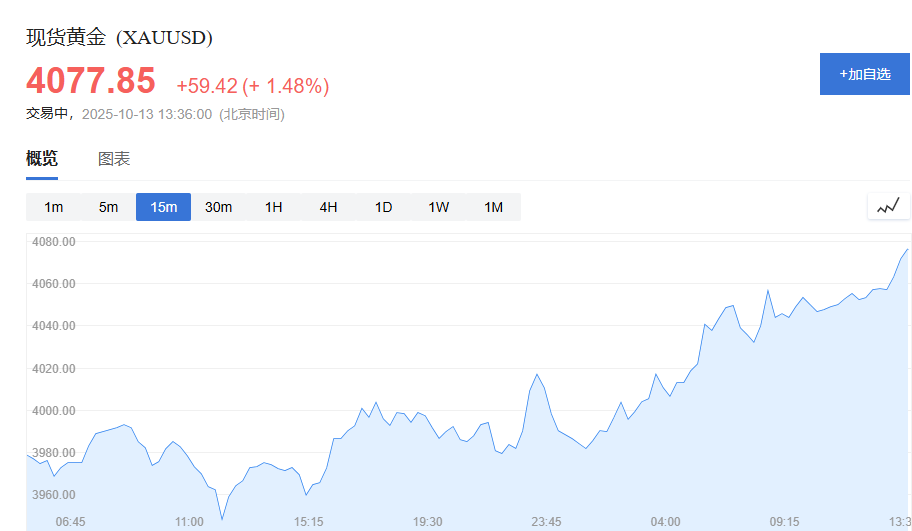
At 13:36 Beijing Time on October 13, spot gold continued to rise, trading at $4,077.85 per ounce. The short-term support level is $3,995.95 per ounce, and the resistance level of $4,070.00 has been broken, further opening up upside space. The next resistance level is at $4,120.24 per ounce. Supported by global economic uncertainty and geopolitical risks, gold prices are showing a volatile upward trend.
V. Outlook
- Short-term: Gold prices may continue to riseIf the China-US trade war further escalates, market risk aversion may intensify, and demand for gold is expected to grow steadily.
- Medium-term: Global economic uncertainty may push gold prices to new highsDue to trade frictions and financial market instability, gold’s safe-haven 属性 will be strengthened in the coming months.
Summary
The China-US trade war reignited by Trump has not only filled the discussions at the IMF and World Bank annual meetings with uncertainty but also heightened risk sentiment in the global economy. Demand for gold as a safe-haven asset is expected to increase accordingly, and investors need to pay attention to the long-term impact of further escalation of the trade war on the markets.