

I. Event Overview
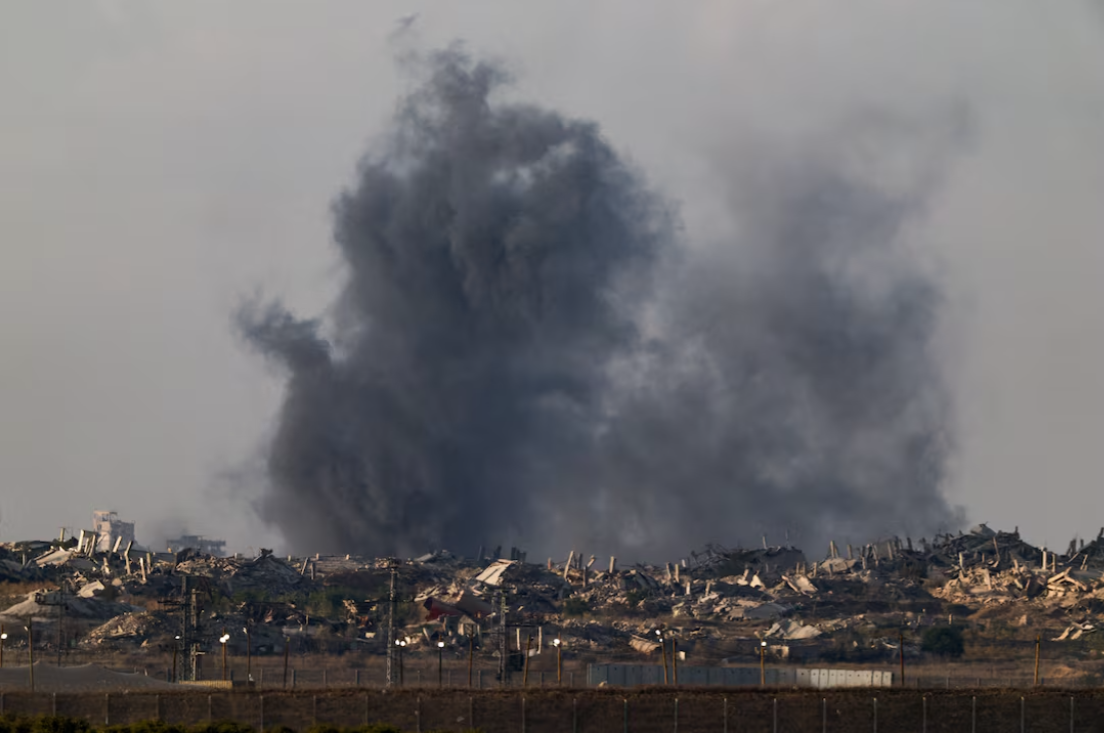
On October 19th, the Israeli military stated that the Gaza ceasefire had been restored. Prior to this, a Hamas attack killed two Israeli soldiers, triggering Israeli airstrikes. The Palestinian side reported 26 deaths, including one woman and one child—marking the most severe test yet for the U.S.-brokered ceasefire agreement this month.
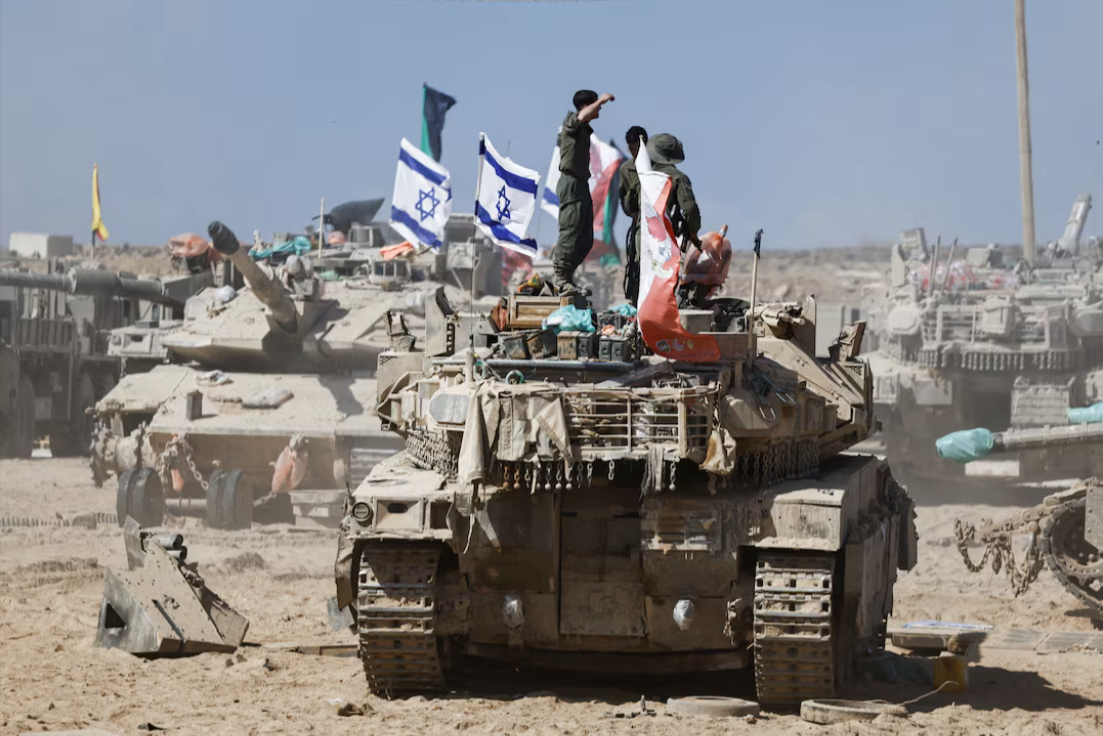
Israel said the airstrikes targeted Hamas objectives, including commanders, gunmen, tunnels, and arms depots, in response to Hamas launching anti-tank missiles and firing at Israeli forces. U.S. President Donald Trump noted that the ceasefire agreement he brokered remained in effect, and U.S. officials believed the Hamas leadership might not have been involved in the violations, stating that the matter would be handled "firmly but appropriately." Trump said he was unsure whether Israel’s airstrikes were justified, adding, "I need to confirm further."
An Israeli security source indicated that, under U.S. pressure, aid would resume on October 20th—after Israel had halted supplies due to Hamas’ "blatant" breach of the ceasefire. Armed factions of Hamas stated that they remained committed to the ceasefire agreement, claimed no knowledge of the Rafah clashes, and had not contacted local groups since March.
The Rafah crossing has been closed since May 2024 and had served as a key channel for aid during the previous ceasefire. The United Nations stated that aid was far from sufficient, with millions of people facing famine. Key issues—such as Hamas’ disarmament, the future governance of Gaza, the composition of an international "stabilization force," and the establishment of a Palestinian state—remain unresolved.
II. Market Impact Analysis
1. Short-Term Expectations of Geopolitical Easing Suppress Safe-Haven Demand
Israel’s announcement of the ceasefire restoration and aid resumption signals a potential de-escalation of tensions in the Middle East. If violations are handled properly, it may consolidate the agreement and reduce risk premiums. This will temporarily weaken gold’s safe-haven appeal, as investors shift to risk assets, leading to a correction in gold prices. However, if Hamas cells continue to violate the ceasefire or Israel escalates its response, a resurgence of conflict will re-support gold prices. A successful test of the ceasefire will stabilize energy supplies and ease global inflation, but disputes over the recovery of casualties’ remains may prolong uncertainty, potentially amplifying diplomatic risks.
2. Growing International Divisions Intensify Diplomatic Uncertainty
The lack of monitoring for 40 Hamas cells and the ambiguity around Israel’s "yellow line" markings highlight disagreements over ceasefire implementation. The participation of Arab countries in the stabilization force may trigger frictions among allies. This has prompted sovereign funds to increase their gold allocations to hedge against potential sanctions or regional fragmentation, creating structural buying demand. Meanwhile, if Trump’s envoys’ visit to Israel leads to subsequent phases of the agreement, it will strengthen easing expectations. However, Vance’s emphasis on the need for Gulf forces may widen U.S.-Europe rifts, further enhancing the allocation value of gold as a non-politicized asset.
3. Progress of the Gaza Agreement and Humanitarian Concerns
If the ceasefire holds, the influx of aid will alleviate the famine crisis. However, the risk of Rafah crossing closures and supply disruptions may push up commodity prices, reinforcing gold’s anti-inflation attribute. Unresolved key issues—such as disarmament and governance—could trigger new conflicts and prolong uncertainty. While the short-term resumption of aid is negative for gold prices, long-term implementation risks will support bullish sentiment.
IV. Technical Analysis
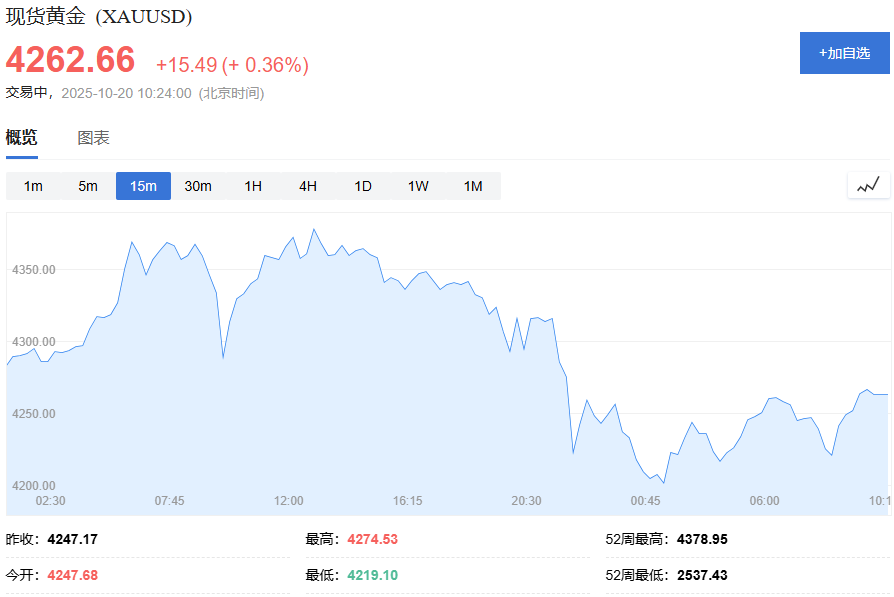
As of 10:24 Beijing time on October 20th, spot gold was quoted at $4,262.66 per ounce. Amid expectations of geopolitical easing, gold prices declined and corrected on Monday. Key indicators show:
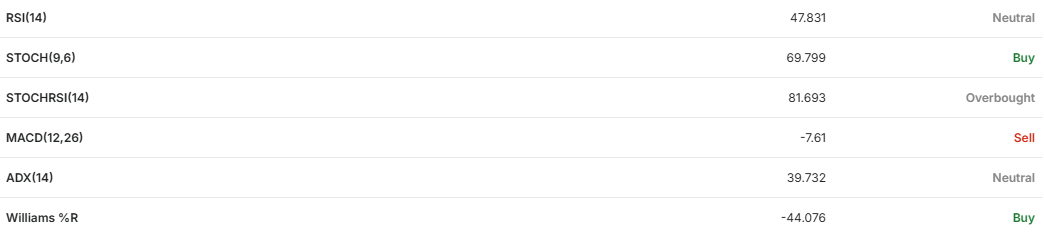
- The 14-day Relative Strength Index (RSI) stands around 47.831, in the neutral range;
- The MACD (12, 26) is -7.61, in the sell range.
Overall, gold exhibits a volatile trend and has entered a consolidation phase.
V. Outlook
1. Ceasefire Implementation and Handling of Violations
Trump stated that violations would be handled "firmly but appropriately." If Hamas cells’ violations lead Israel to escalate its response, the agreement may collapse, increasing uncertainty and benefiting gold’s safe-haven premium. If the envoys’ visit to Israel facilitates the recovery of remains and aid resumption, it will be short-term negative for gold prices. However, in the long term, attention must be paid to subsequent phases such as disarmament—any delays will amplify diplomatic risks.
2. Participation of Arab Countries and the International Community
Vance emphasized the need for Gulf forces to maintain order. If Qatar, Egypt, and other countries provide support, stabilization efforts may expand. However, Israel’s opposition to Hamas’ role could trigger frictions and widen U.S.-Europe divisions, strengthening gold’s medium-to-long-term support. If the United Nations’ appeal for aid receives a response, the humanitarian crisis will ease, but delays in reopening Rafah may prolong famine risks.
3. Reconstruction and Governance Dynamics
Unclear post-war governance and escalated security crackdowns by Hamas will increase systemic risks, creating structural demand for gold. If Trump’s exclusion of Hamas from governance triggers internal Palestinian conflicts, it may spill over to the West Bank, amplifying regional instability and enhancing gold’s appeal as a hedging tool.
Summary
Israel’s announcement of ceasefire restoration and aid resumption marks a potential turning point in the Middle East’s geopolitical landscape, with short-term expectations of easing suppressing gold’s safe-haven demand. However, risks persist, including disputes over violations, disagreements over remains recovery, and uncertainty surrounding the agreement. Amid international mediation efforts, progress in peace talks, and energy concerns, gold’s safe-haven and anti-inflation attributes have been strengthened. Investors should focus on the handling of violations, the implementation of aid, and subsequent developments.