

I. Event Overview
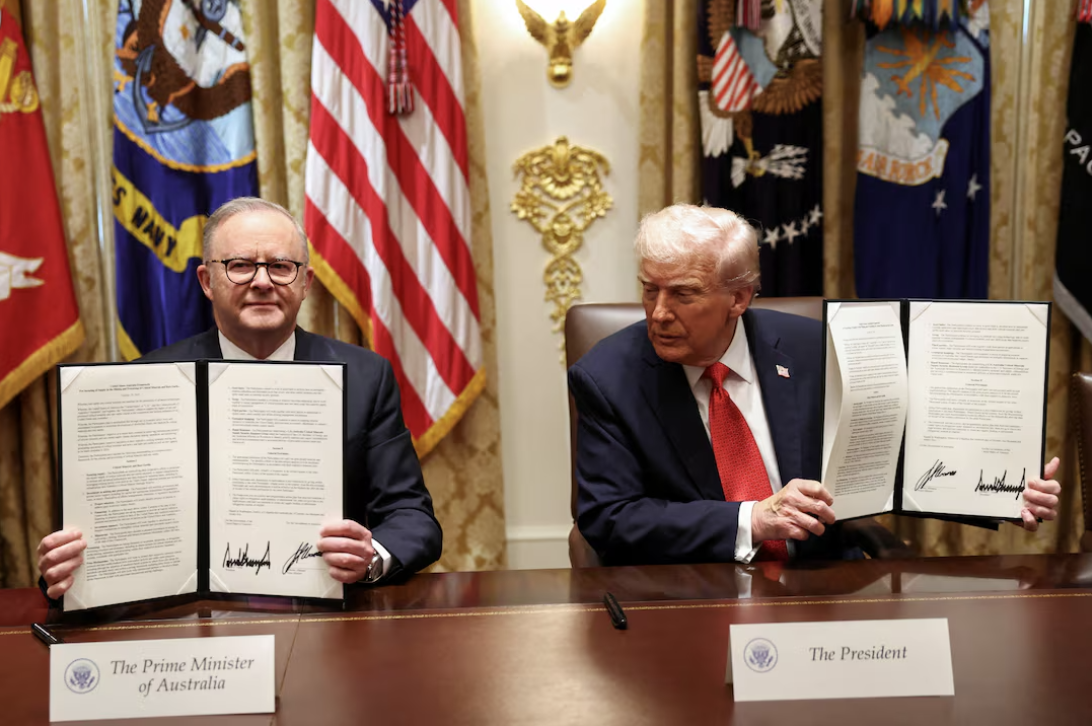
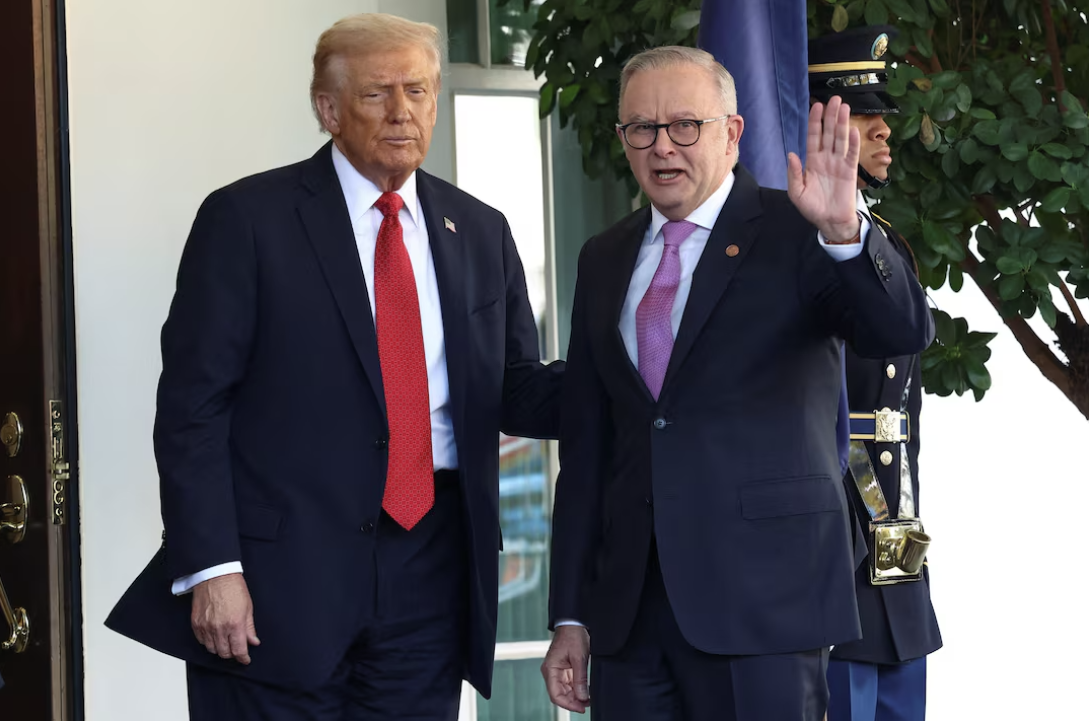
US President Donald Trump and Australian Prime Minister Anthony Albanese signed a critical minerals agreement at the White House on October 20, aiming to counter China's dominance in the global rare - earth supply.The agreement includes an investment of $1 billion each (a total of $2 billion) by the two countries in mining and processing projects, to be launched within the next six months, with the goal of developing mineral reserves worth $53 billion. Critical minerals include rare - earths, lithium, and nickel, which are used in electric vehicles, aircraft engines, and military radars. This is a counter - attack against China's dominance in the processing capacity of critical minerals such as rare - earths, accounting for 90%, and China controls the largest rare - earth reserves in the world.The agreement was signed before Trump's meeting with Xi Jinping in South Korea next week. Sino - US trade tensions have escalated, and China expanded its rare - earth export controls in April. The agreement continues the efforts of Trump's first term, aiming to establish a Western supply chain that is not dependent on China.
II. Reactions from All Parties
Trump said, "In one year, we will have so many critical minerals and rare - earths that you won't know what to do with them." Albanese called the agreement a "major strategic victory", supporting an $85 - billion project pipeline and emphasizing that Australia is a reliable partner.US officials condemned China's rare - earth controls as a threat to the global supply chain. Australian officials said that AUKUS contributed $2 billion to increase the production capacity of US submarine shipyards and will maintain Virginia - class submarines from 2027.
III. Analysis of Market Impact
- Escalating trade tensions increase global supply - chain uncertainty: Trump's signing of the critical minerals agreement with Australia marks an upgrade of the Western strategy to hedge against China's dominance. The total investment of $2 billion to develop $53 - billion reserves may reshape the supply chains of rare - earths and other minerals. This will stimulate the short - term rise of related mining stocks, but also amplify the risk of the Sino - US trade war, driving investors to turn to safe - haven assets such as gold to hedge against supply - chain disruptions and geopolitical economic risks.
- The risk of price fluctuations in energy and minerals becomes prominent: The agreement focuses on rare - earths, lithium, gallium, etc., which are used in electric vehicles and military radars. If the development is accelerated, it may alleviate the price manipulation brought about by China's dominance. However, short - term investments need time to be implemented, and China's counter - measures may disrupt the global flow of minerals. The investment in gallium refineries is aimed at China's embargo. If it is extended to other minerals, the cost of the energy transition will rise, pushing up inflation expectations. Investors need to pay attention to the meeting between Trump and Xi Jinping. If tariffs are upgraded, the soaring price of minerals will amplify economic uncertainty and stimulate funds to flow into gold.
- Fluctuations in financial markets and challenges to the status of the US dollar: The agreement supports AUKUS and mineral investments, which may increase the value of the Australian dollar and the US dollar. However, the intensification of Sino - US tensions impairs the safe - haven function of the US dollar, and central banks diversifying their reserves increases the demand for gold. The $2.2 - billion letter of intent from EXIM stimulates mining stocks. However, if the trade war expands, global stock market fluctuations will increase, and the attractiveness of gold as a hedging tool will be enhanced. In the short term, the price of gold may be supported by risk - aversion. However, if the agreement is implemented and the supply chain is stabilized, there is a risk of a pullback.
IV. Technical Analysis
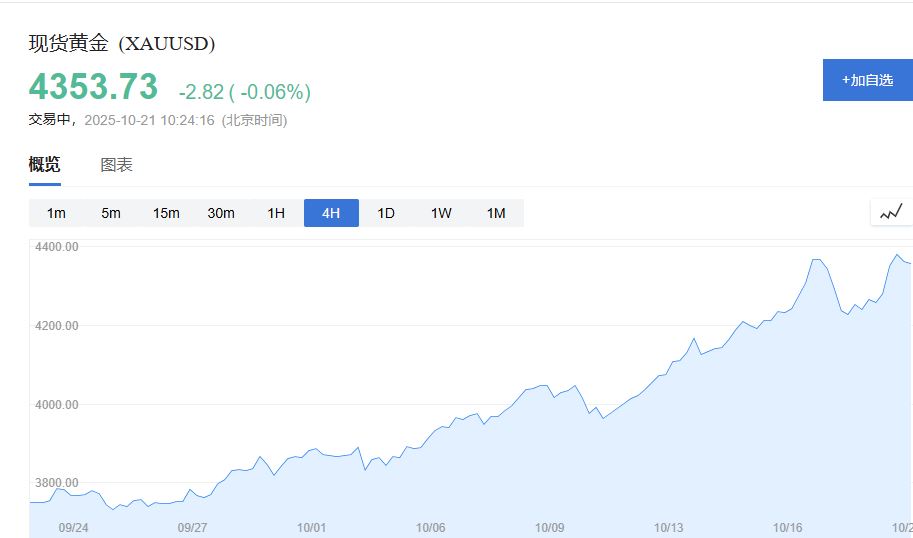
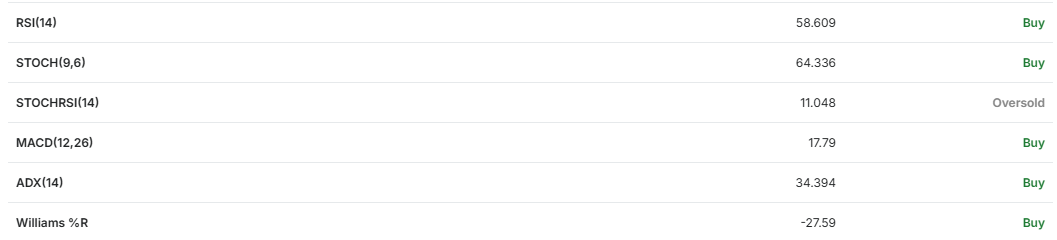
At 10:30 on October 21, Beijing time, spot gold was reported at $4353.80 per ounce. The Relative Strength Index (RSI, 14) was at 58.609, in the buying range; the MACD (12, 26) was positive 17.79, also in the buying range. Overall, it shows that there is still room for the gold price to rise, and under the promotion of multiple factors, there may be a strong upward trend.
V. Prospects
- The escalation of the Sino - US trade war and the dynamics of the meeting If Trump's meeting with Xi Jinping in South Korea fails, China may further restrict rare - earth exports, pushing up mineral prices and inflation, which is beneficial to the safe - haven premium of gold. If the agreement is expanded to the G7, the stabilization of the supply chain will be a short - term negative for the gold price, but any counter - measures may amplify the uncertainty. In the medium and long term, if the support of AUKUS is joined by the UK, it will strengthen the Western alliance, but China's retaliation may trigger an energy crisis, increasing the demand for gold as an inflation hedge.
- The impact on the energy and minerals industry If the investment in the agreement accelerates the production of gallium and others, it may alleviate the embargo, but the increase in transition costs will push up the prices of technology and energy. If there is an interruption during the winter demand peak, similar to the Russia - Ukraine conflict, the soaring natural gas price will amplify commodity fluctuations, and gold will benefit as a hedge.
Conclusion
Trump's signing of the critical minerals agreement with Albanese marks a new stage in the Sino - US trade war. The expectation of escalation supports the safe - haven demand for gold. However, the easing of negotiations may lead to a pullback. Under the multiple factors of supply - chain uncertainty, inflation concerns, and energy risks, the safe - haven and anti - inflation properties of gold are strengthened. Investors need to pay attention to the meeting between Trump and Xi Jinping, mineral export controls, and investment implementation.