

I. Event Overview
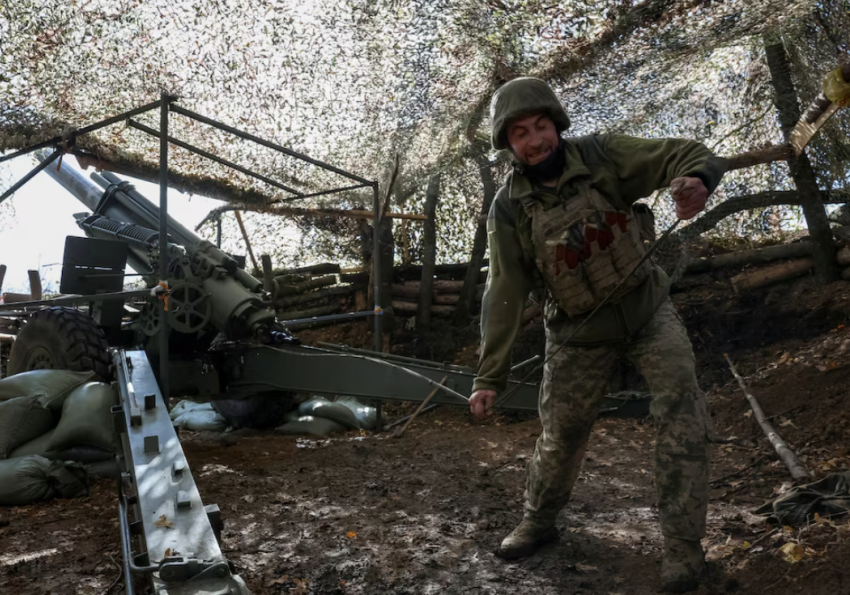
On October 27, 2025, as approximately 200 Russian soldiers infiltrated and stationed in Pokrovsk – a strategic city in eastern Ukraine – the Ukrainian military swiftly stepped up its defense deployments. Pokrovsk serves as a transportation hub connecting the Donetsk region with other areas, boasting significant strategic value, thus becoming a key target of Russia’s offensive. The Ukrainian military pointed out that Russia’s attacks were not limited to the urban area of Pokrovsk; they also attempted to expand further to the outskirts of the city to cut off Ukrainian military supply lines and force Ukraine to disperse its defensive forces. According to the Ukrainian military’s estimate, Russian troops mainly infiltrated the city through small-scale offensive operations and engaged in intense small-arms firefights with Ukrainian forces. Meanwhile, both sides were also actively using drones for reconnaissance and attacks.
This round of fighting occurred after the failure of ceasefire negotiations promoted by U.S. President Trump, and Russia’s offensive posture has significantly intensified. The Ukrainian military revealed that in the coming days, Ukraine’s defense lines and urban defenses will be further strengthened to respond to Russia’s continuous attacks. The escalated fighting in Pokrovsk may have a profound impact on the control situation across the entire Donbas region.
II. Reactions from All Parties
Ukraine stated that despite facing severe urban combat and logistical difficulties, the Ukrainian military will do its utmost to defend Pokrovsk and has strengthened the defense lines in the areas surrounding the city. President Zelensky emphasized that Pokrovsk is crucial for defending Donetsk, and losing the city could lead to the collapse of Ukraine’s defense lines.
Russia, on the other hand, stated that its offensive forces have successfully infiltrated the city and begun advancing northward. A statement from the Russian military claimed that their goal is to further advance to strategic positions around Pokrovsk to cut off Ukraine’s logistical supplies and force the Ukrainian military to disperse its forces.
III. Market Impact Analysis
1. Escalating Geopolitical Risks
With the escalation of Russia’s offensive in Pokrovsk, geopolitical risks have significantly intensified. Currently, the conflict between Ukraine and Russia remains in a high-risk state. The intensity of the fighting and Russia’s targeting of key cities have triggered market concerns about global economic stability. Such uncertainty usually drives investors to turn to gold as a safe-haven asset, thereby pushing up gold prices.
2. Volatility in the Energy Market
Although the current event does not directly involve energy supply, the escalation of fighting may intensify volatility in the global energy market. Rising energy prices will not only push up global inflation expectations but also may increase the production costs of other goods and services, further supporting demand for gold as an inflation hedge.
IV. Technical Analysis
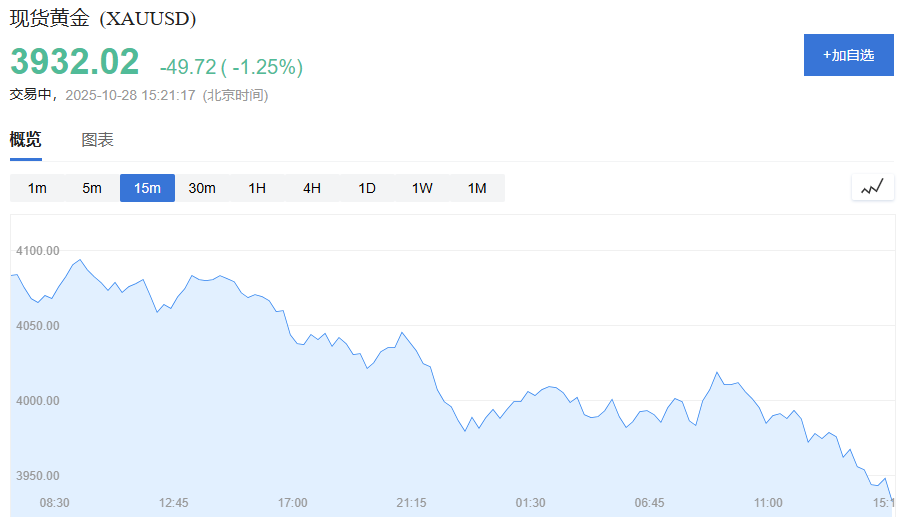
As of 15:21 Beijing Time on October 28, the spot gold price was quoted at $3,932.02 per ounce. The 15-minute chart shows a volatile downward trend.
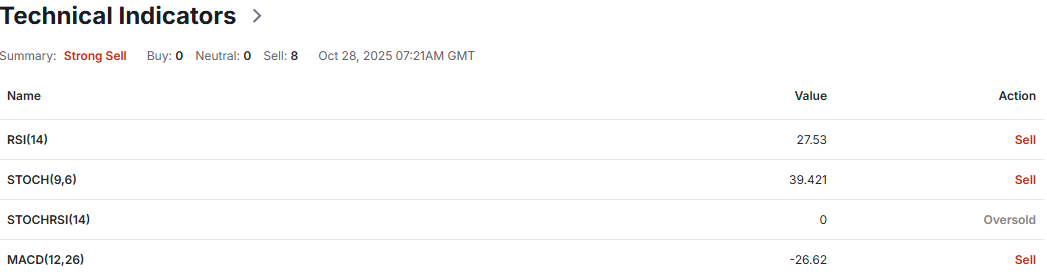
Technical indicators reflect an oversold market:
- The RSI (14) stands at 27.53, in the sell zone.
- The STOCH (9,6) is 39.421, sending a sell signal.
- The STOCHRSI (14) is 0, indicating severe oversold conditions.
- The MACD (12,26) is -26.62, continuing to send a sell signal, further confirming the current bearish trend.
Therefore, gold prices may continue to decline in the short term. Investors should pay attention to the Federal Reserve meeting minutes to be released this week and the interactions between Chinese and U.S. leaders.
V. Outlook
1. Geopolitical Risks Driving Gold Demand
As the situation in Ukraine continues to deteriorate, especially with the escalation of fighting in Pokrovsk, the increase in geopolitical risks may lead to sustained growth in gold demand. If Russia further expands its control over the Donetsk region, the safe-haven demand for gold will become even stronger, and gold prices may thus receive support and rise further.
2. Impact of Energy Prices and Inflation Expectations
The escalation of the war may trigger tight energy supply and push up energy prices. Such volatility in energy prices will intensify global inflation expectations, thereby driving demand for gold as an inflation hedge. As market expectations for inflation rise, the attractiveness of gold as a store-of-value asset will also increase, potentially pushing up gold prices.
3. Impact of U.S. Dollar Trend
Amid heightened global economic uncertainty and rising geopolitical risks, the U.S. dollar may face certain depreciation pressure. If the U.S. dollar weakens, the attractiveness of gold as a non-yielding asset will increase, which will further push up gold prices. Investors should pay attention to the trend of the U.S. dollar and changes in the Federal Reserve’s monetary policy, as these may have a significant impact on gold prices.
Summary
With the intensification of fighting in Pokrovsk and the rise in geopolitical risks, demand for gold as a safe-haven asset may receive further support. In the short term, gold prices may continue to face downward pressure; however, in the long run, the increase in global uncertainty may push gold prices higher. Investors should closely monitor changes in the situation in Ukraine and adjust their investment strategies to respond to potential market volatility.