

I. Event Overview
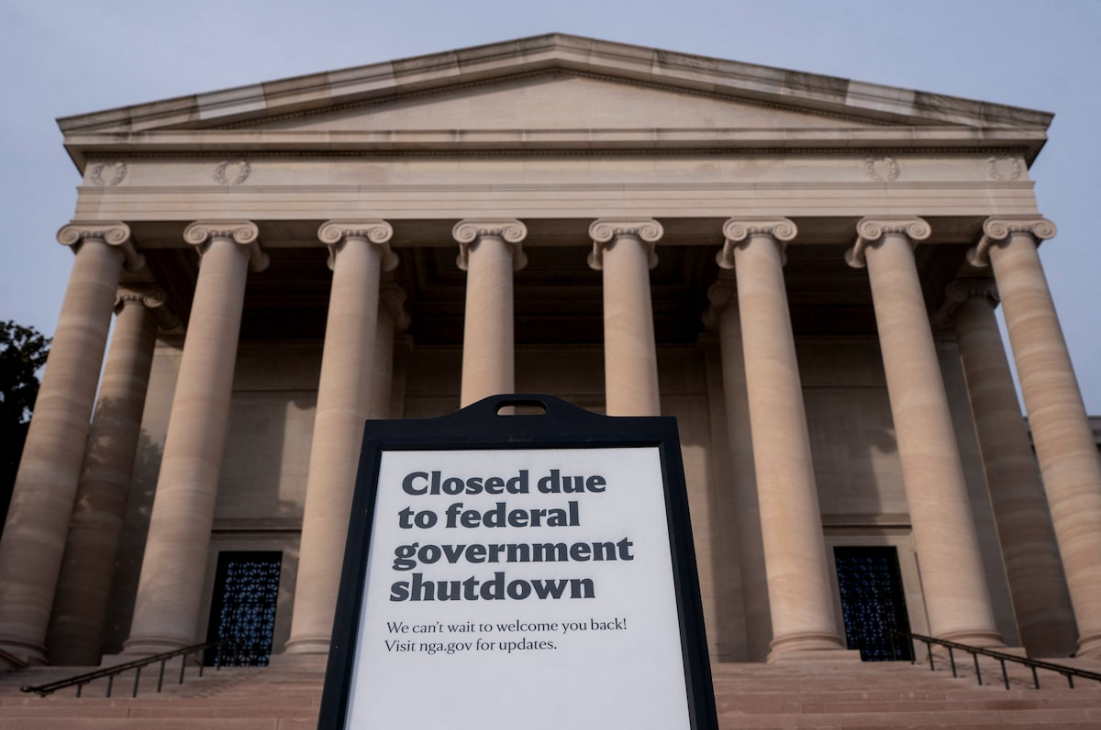
On November 9, the U.S. Senate passed a procedural vote to advance a bill aimed at reopening the federal government and ending the 40-day-long shutdown. Based on the version previously passed by the House of Representatives, the bill will fund the government until January 30 and includes three full-year appropriations bills. The vote passed by a margin of 60-40, meeting the minimum threshold to overcome a filibuster. If the Senate ultimately passes the amended bill, it will still need approval from the House of Representatives and signature by President Trump, a process that may take several days.
Republicans and a handful of Democrats reached an agreement to hold a vote in December on extending subsidies under the Affordable Care Act (ACA). These subsidies, which help low-income Americans pay for private health insurance, are set to expire at the end of the year and have been a top priority for Democrats in the funding dispute.
The bill prohibits federal agencies from laying off employees until January 30 and provides back pay for all federal workers, including military personnel, border patrol agents, and air traffic controllers. The shutdown has already impacted federal workers, food assistance programs, national parks, and air travel. If it were to continue, it could push fourth-quarter economic growth into negative territory, with a particular impact on Thanksgiving travel (scheduled for November 27).
II. Reactions from All Parties
Trump Administration
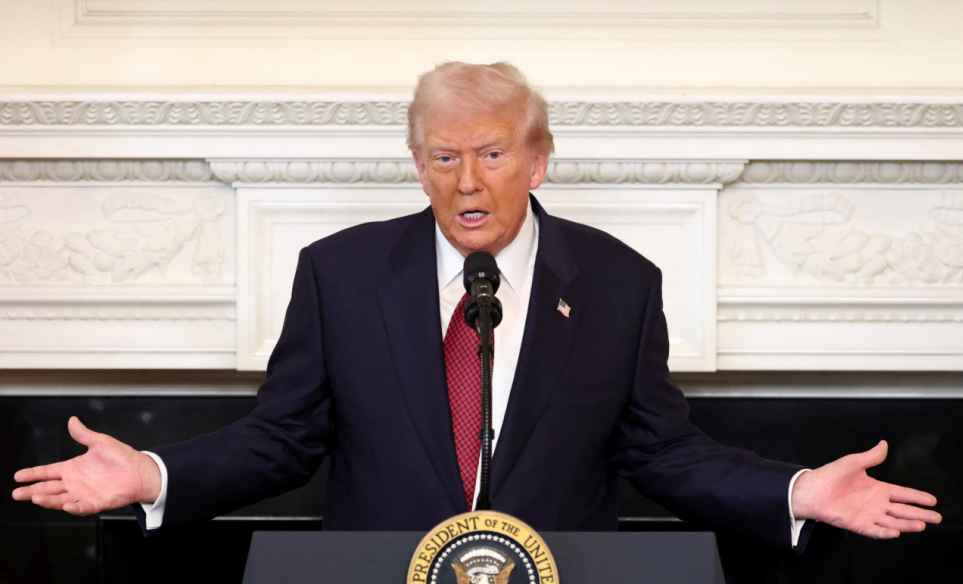
President Trump stated that the shutdown "appears to be coming to an end" but criticized the ACA subsidies on Truth Social, calling for direct payments to individuals for insurance purchases. He added that the administration is willing to work with both parties once the government reopens. Kevin Hassett, White House economic advisor, warned that if the shutdown persists, economic growth could turn negative.
Republicans
Senate Majority Leader John Thune described the vote as "positive" and expressed hope for bipartisan agreement to expedite passage by Monday. Senator Thom Tillis noted that the impacts of the shutdown had pushed parties to reach a deal.
Democrats
Democratic Senators Maggie Hassan, Jeanne Shaheen, and independent Senator Angus King (of New Hampshire) played key roles in brokering the agreement. Minority Leader Chuck Schumer voted against the bill, while Representative Ro Khanna criticized Schumer on X (formerly Twitter).
III. Market Impact Analysis
- Easing Economic UncertaintySigns that the Senate is advancing a bill to end the shutdown have reduced fiscal policy uncertainty, potentially easing market concerns and prompting investors to shift from safe-haven assets to risk assets. However, in the short term, the lingering impacts of the shutdown—such as flight delays and risks to economic growth—remain, supporting demand for gold and pushing prices higher.
- Potential for Rising Gold DemandAs the shutdown nears an end, market confidence in U.S. economic stability may recover, which could reduce safe-haven demand. Nevertheless, disputes over healthcare subsidies and potential inflationary pressures (e.g., rising medical costs) have enhanced gold’s appeal as an inflation hedge, leading to increased demand and higher prices.
- Impact on the Global EconomyEnding the shutdown may stabilize the U.S. dollar and stock markets. However, if the expiration of subsidies causes health insurance premiums to double, reduced consumer spending could trigger an economic slowdown. Gold typically benefits from such uncertain environments, with its allure as a store of value strengthened.
IV. Technical Analysis
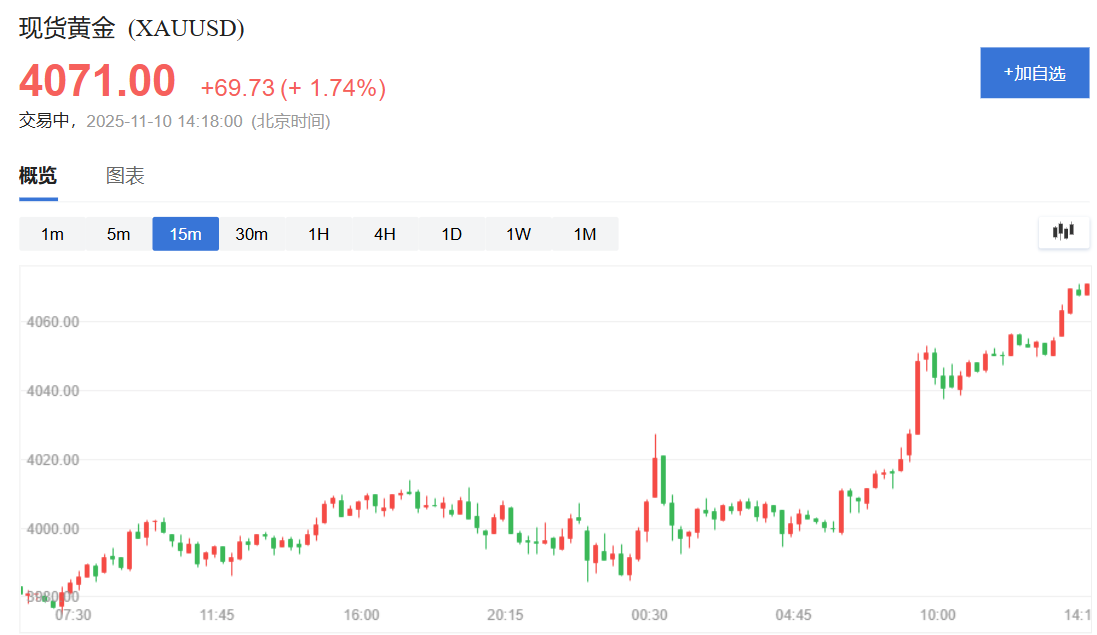
As of 14:18 Beijing Time on November 10, the spot gold price was quoted at $4,071.00 per ounce, showing a fluctuating upward trend. In the short term, market sentiment is skewed toward optimism.
From a technical perspective:
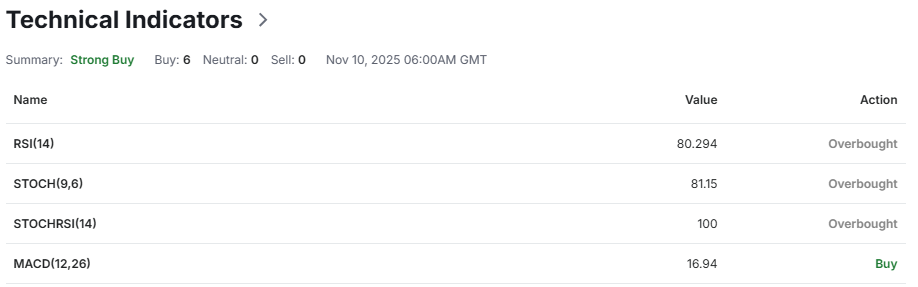
- The RSI (14) value is 80.294, in the overbought zone, indicating strong buying momentum but potential adjustment pressure.
- The STOCH (9,6) is 81.15, also in the overbought zone, sending a buying signal while hinting at short-term correction risks.
- The STOCHRSI (14) is 100, reaching an extreme overbought state, further confirming potential short-term correction pressure.
- The MACD (12,26) stands at 16.94, in the bullish zone.
Overall, gold prices maintain strength in the short term. Despite overbought signals, the market remains dominated by buying momentum, supporting further upward movement. From a technical standpoint, the overall outlook is "strong buy".
V. Outlook
- Long-Term Impacts of the Shutdown EndIf the bill is passed and signed into law, the government’s reopening will reduce economic uncertainty, potentially lowering safe-haven demand for gold. However, the upcoming vote on extending ACA subsidies and President Trump’s policy plans may trigger new disputes, providing support for gold. Gold prices are expected to fluctuate as policy stabilizes but rise if inflation expectations increase.
- Gold’s Inflation-Hedging AttributeAgainst the backdrop of potential rises in medical costs and changes to fiscal policy, gold’s appeal as a tool to hedge inflation and uncertainty will remain high—especially as the impact on low-income groups expands.
Summary
The U.S. Senate’s advancement of a bill to end the federal shutdown has eased economic uncertainty, but disputes over healthcare subsidies persist, driving demand for gold. Although technical indicators point to short-term overbought pressure, the overall trend supports the fluctuating upward movement of gold prices. Investors should closely monitor the progress of the bill and the vote on ACA subsidies, and adjust their strategies based on technical signals to cope with potential volatility.