

On January 28, 2026, the Federal Open Market Committee (FOMC) decided to keep the target range for the federal funds rate unchanged at 3.50%–3.75%. After cutting rates by a total of 75 basis points across the previous three meetings, the Committee chose to pause for the first time to assess the economic outlook.
I. Monetary Policy Action and Voting Record
The Committee decided to maintain the target range for the federal funds rate at 3.50%–3.75%.
- Voting for the interest rate decision (10 members): Jerome H. Powell; John C. Williams; Michael S. Barr; Michelle W. Bowman; Lisa D. Cook; Beth M. Hammack; Philip N. Jefferson; Neel Kashkari; Lorie K. Logan; Anna Paulson.
- Voting against the decision (2 members): Stephen I. Miran and Christopher J. Waller. Both governors preferred to lower the target range for the federal funds rate by 25 basis points at this meeting.
II. Economic Conditions and Recent Developments
- Economic Activity: Current indicators suggest that economic activity has been expanding at a solid pace. Consumer spending has remained resilient, and business fixed investment has continued to grow. Activity in the housing sector remains soft. The temporary federal government shutdown late last year may have dragged on economic activity in the previous quarter, but these effects should reverse as the reopening boosts growth this quarter.
- The Labor Market:
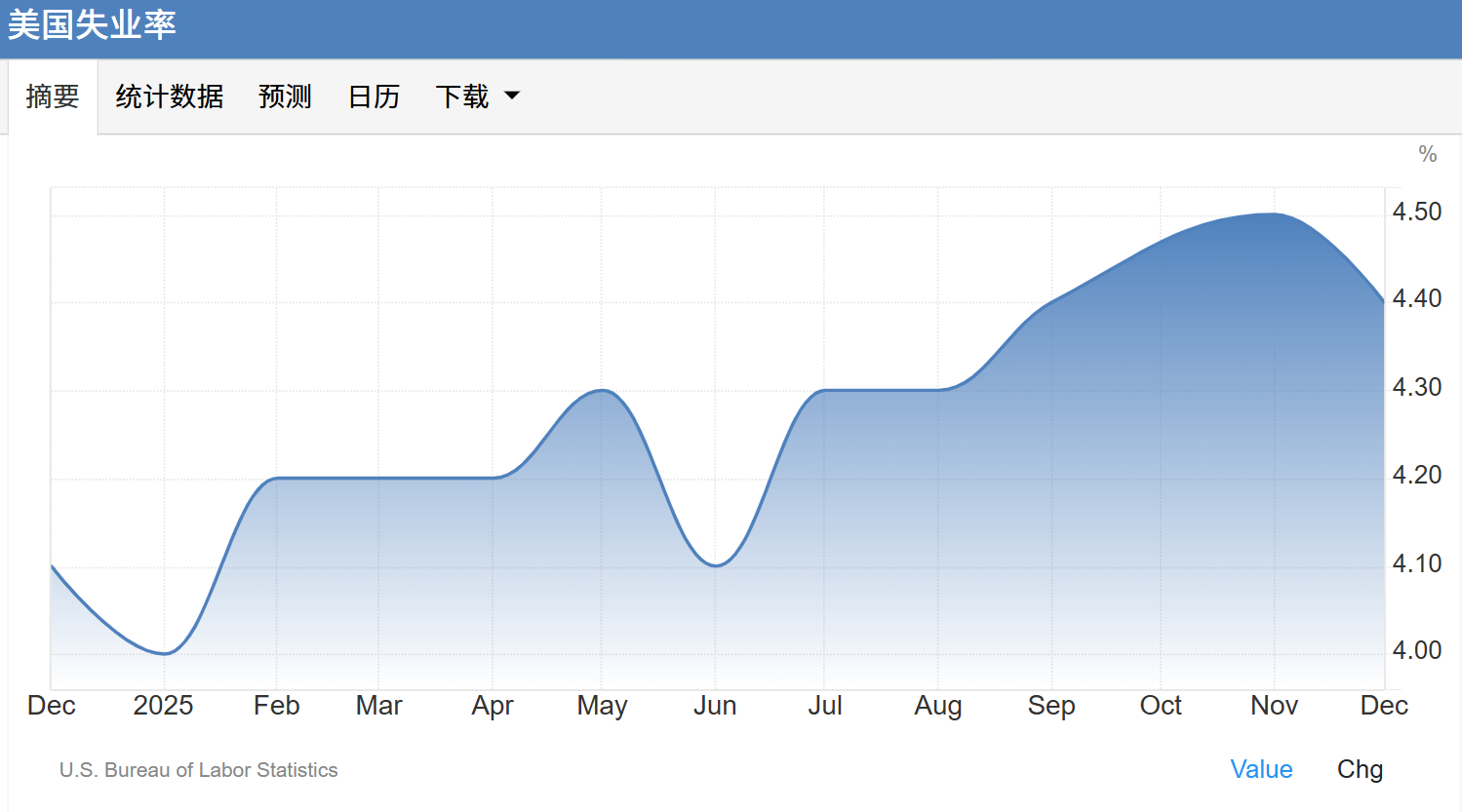
- Following a phase of gradual softening, indicators suggest that labor market conditions might be stabilizing. The unemployment rate stood at 4.4% in December, showing little change over recent months. Job growth has remained sluggish. Over the past three months, non-farm payrolls fell by an average of 22,000 per month; stripping out the government sector, private payrolls increased by an average of 29,000 per month.
- Inflation:
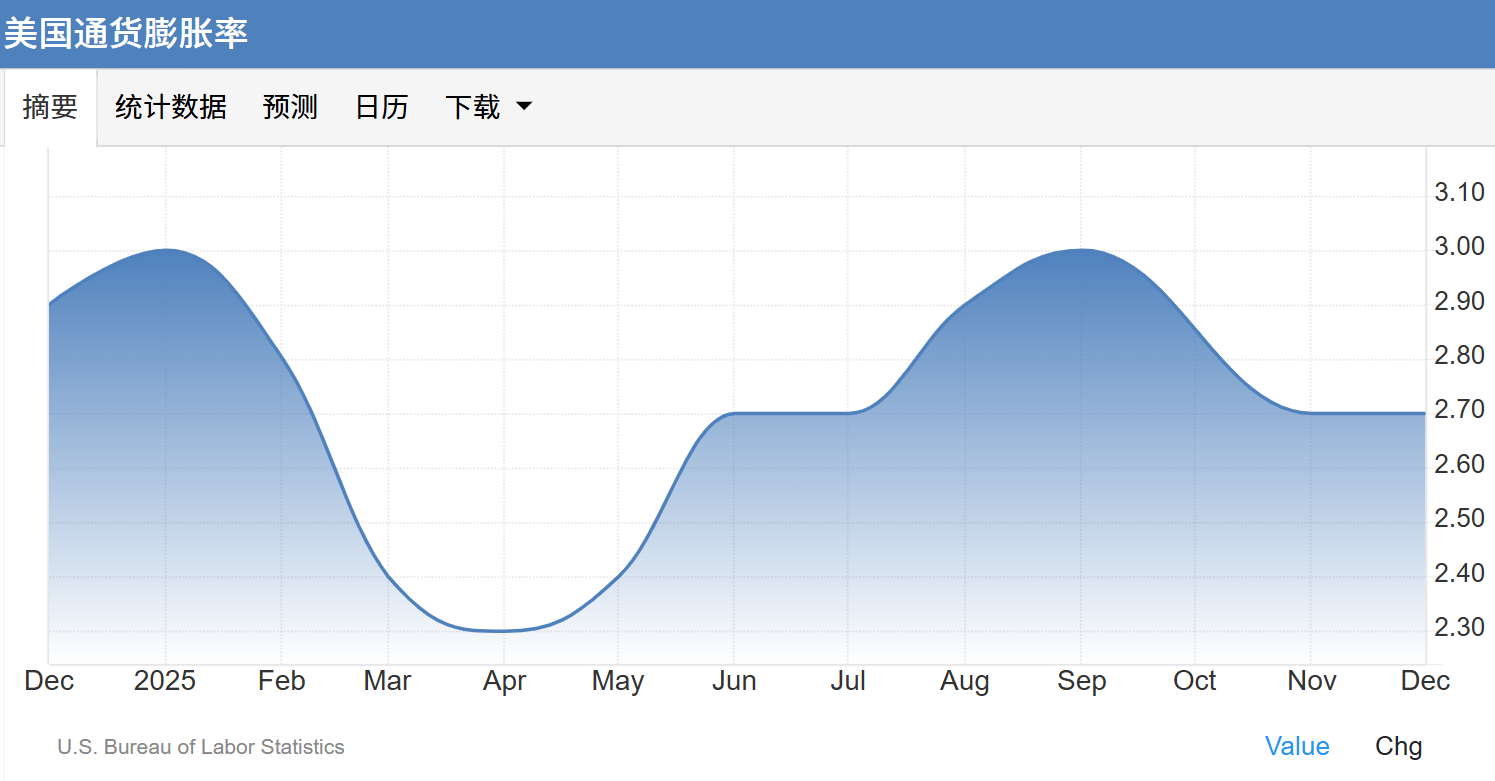
- Inflation has come down significantly from its peak in mid-2022 but remains slightly above the long-term 2% target. Estimates based on the Consumer Price Index indicate that headline PCE prices rose 2.9% and core PCE prices rose 3.0% over the 12 months ending in December. These elevated readings reflect inflation in the goods sector, which has been primarily driven by tariffs.
III. Policy Considerations and Forward Guidance
Since last September, the Fed has cut interest rates by a cumulative 75 basis points, bringing the policy rate within a reasonable estimated range of a neutral level. This normalization of the policy stance should help stabilize the labor market, while inflation is expected to resume its downward trend toward 2% once the impact of tariff hikes passes.
The Committee will continue to carefully evaluate incoming data, the evolving outlook, and the balance of risks to determine the scale and timing of future policy rate adjustments. Monetary policy is not on a preset course; decisions will be made on a meeting-by-meeting basis.
The Committee is strongly committed to supporting maximum employment and returning inflation to its 2% goal. In assessing the appropriate stance of monetary policy, the Committee will continue to monitor the implications of incoming information for the economic outlook.
If risks emerge that could impede the attainment of the Committee's goals, the Committee stands ready to adjust the monetary policy stance as appropriate.
IV. Committee Policy Actions
To support its goals, the Committee decided to maintain the target range for the federal funds rate at 3.50% to 3.75%. The Committee judges that the current stance of monetary policy is sufficient to foster progress toward maximum employment and the 2% inflation objective.
The Committee will continue to maintain ample reserve levels by purchasing short-term Treasury securities (primarily Treasury bills) and will keep the existing rate structure for standing repo operations.
V. Market Reactions
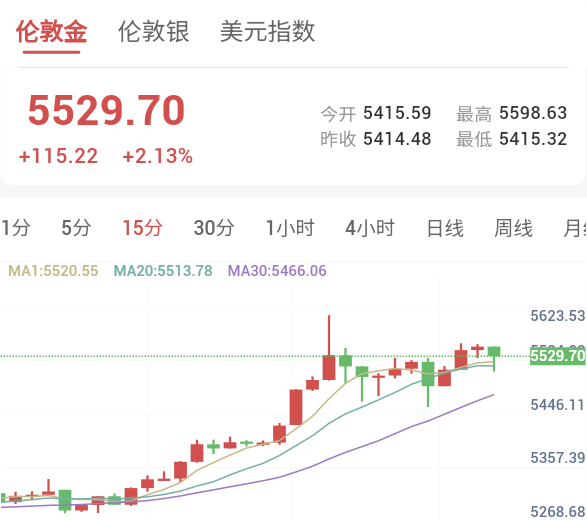
- Following the press conference, spot gold skyrocketed, briefly touching $5,598.63 per ounce with an intraday gain of over 3%, reflecting a surge in safe-haven demand.
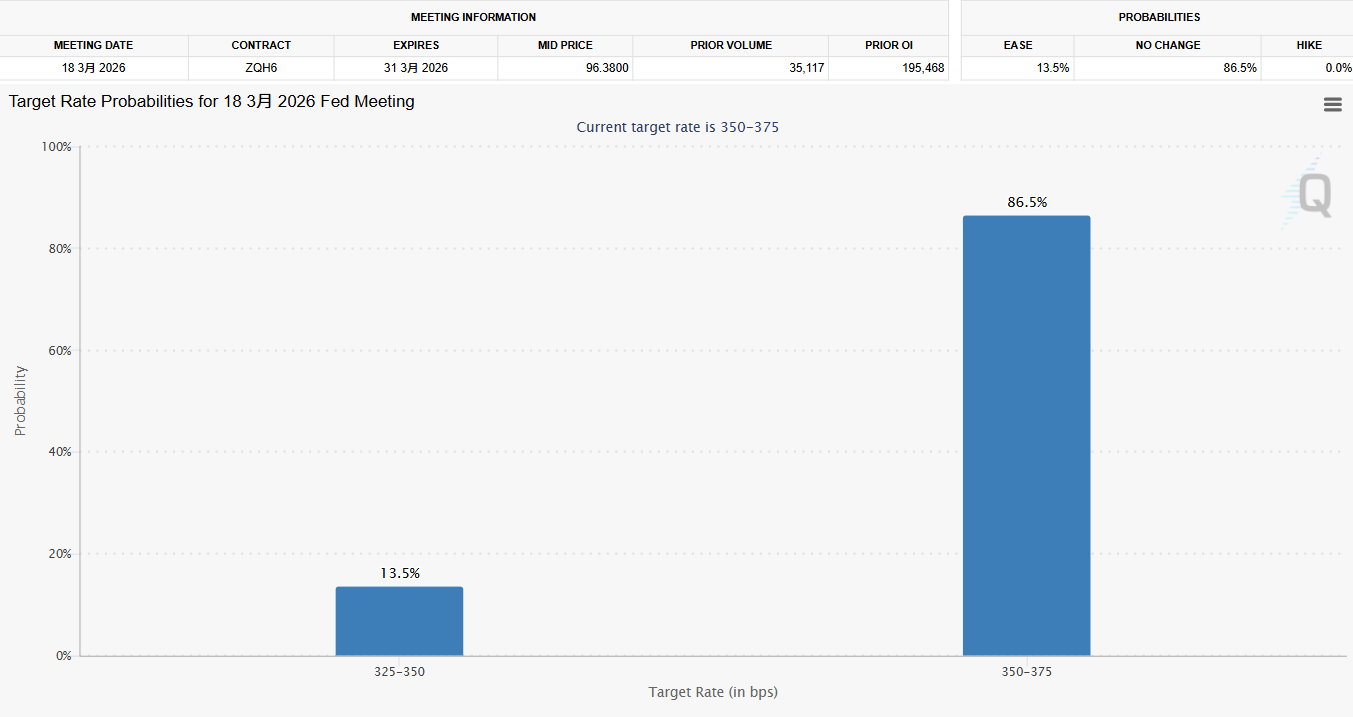
- The CME FedWatch Tool showed that the probability of a 25-basis-point rate cut in March dropped to 13.5%, while the cumulative probability of a 25-basis-point cut by April was around 24.5%. The market expects that the next opportunity for a rate cut will likely have to wait until Powell steps down as Fed Chair, meaning the easing cycle will not restart until after June.
Conclusion
This January meeting marks the first time the Fed hit the pause button after three consecutive rate cuts, reflecting a cautious approach by the Committee. Furthermore, internal divisions persist, and officials have yet to find common ground on the appropriate pace of policy adjustments.
Overall, the Fed believes the current policy stance is close to neutral and sufficient to strike a balance between stabilizing employment and curbing inflation. Any future adjustments will be strictly data-dependent. Policy has entered a critical observation period, and its next move will depend on how fast inflation cools down and the actual resilience of the labor market.