

As geopolitical tensions suddenly escalate, the Federal Reserve will confront a brand-new challenge brought by the "oil price shock" at this month's policy meeting. On the early morning of March 19 (Beijing Time), the Fed will announce its March interest rate decision, followed by a press conference held by Chair Jerome Powell. Against the backdrop of the war with Iran triggering global market volatility, this meeting is not just about short-term rate movements; it will set a critical tone for monetary policy for the rest of the year.
Interest Rate Decision: Holding Steady Is a Done Deal
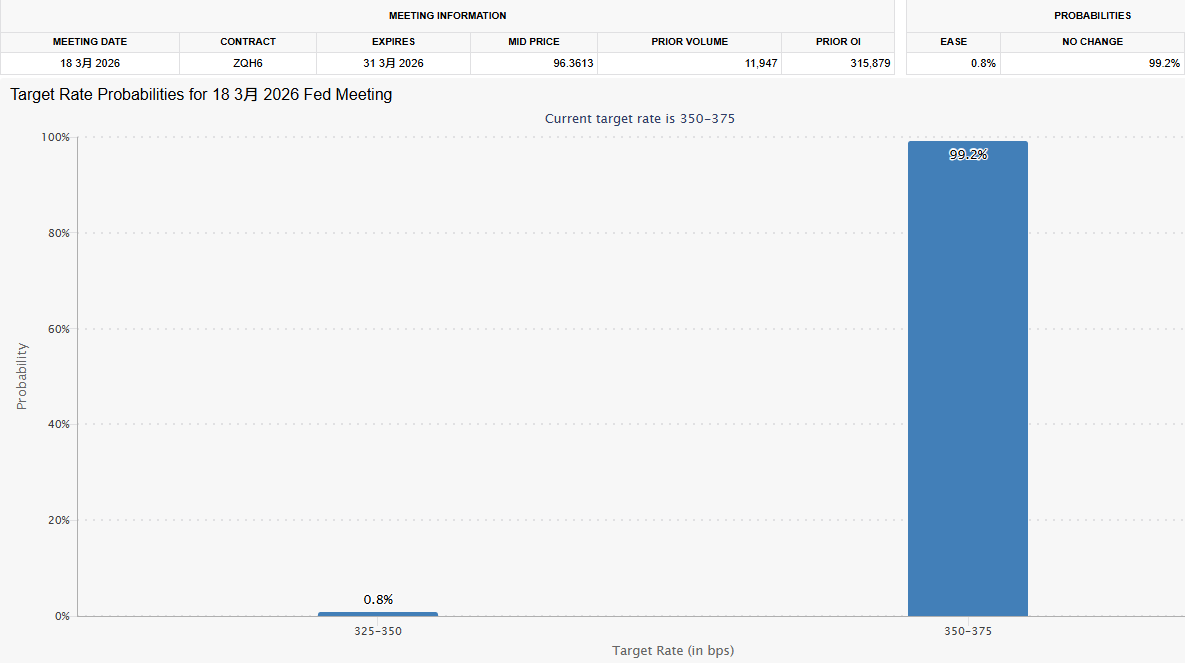
The market widely expects the Federal Reserve to maintain the federal funds rate in the 3.50%–3.75% range for the second consecutive meeting. According to the CME FedWatch Tool, the market places the probability of a March rate cut at just 0.8%, while the odds of holding rates steady stand as high as 99.2% or more.
Since the January meeting, the recently released minutes have revealed clear internal divisions among Fed officials. Although a "vast majority" of officials believe downside risks to employment have eased, upside risks to inflation persist.
Some officials argue that further rate cuts are warranted if inflation continues to decline, while others believe that "a prudent approach would be to maintain the policy rate steady for some time." A few have even suggested that "it might become necessary to raise rates if inflation remains stubbornly above target."
The Key Variable: The War with Iran and the Oil Price Shock
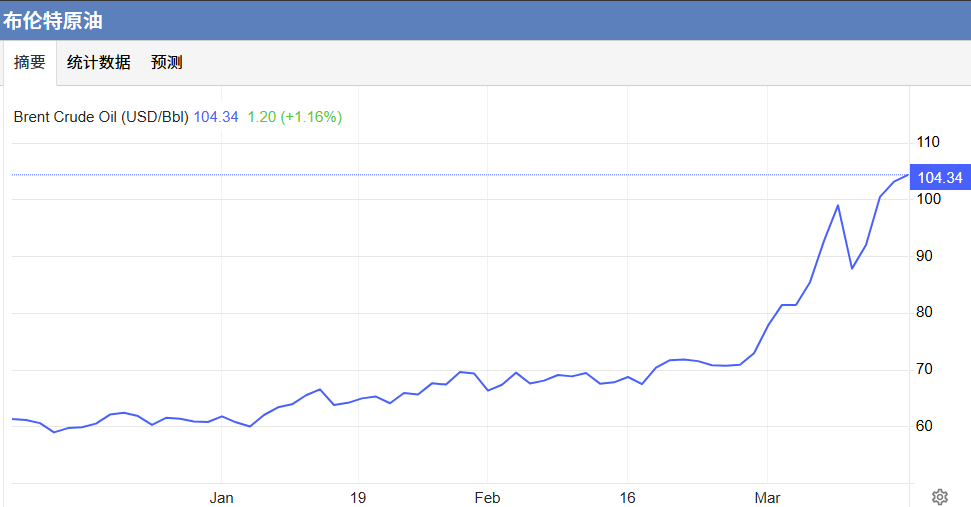
The biggest difference between this meeting and previous ones lies in the sudden escalation of external shocks. Since the United States and Israel launched airstrikes on Iran in early March, the geopolitical conflict has rapidly intensified, pushing international crude prices to near $120 per barrel. While oil has since pulled back slightly, it still hovers around the closely watched $100 threshold. Iran has even issued a warning, stating that "the world should prepare for oil prices to reach $200."
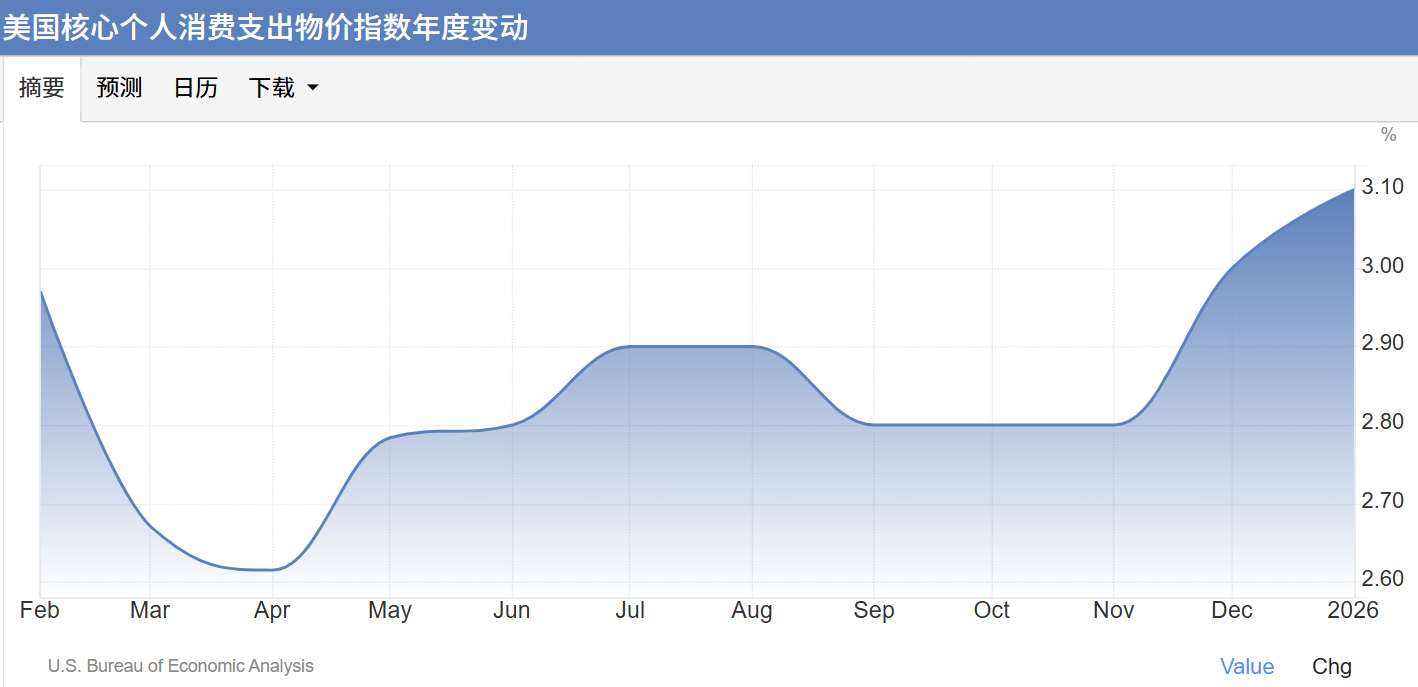
The surge in oil prices has quickly bled into inflation expectations. The US January Personal Consumption Expenditures (PCE) price index rose 3.1% year-over-year, remaining above the Fed's long-term 2% goal. Ahead of the meeting, Barclays and Goldman Sachs both drastically revised their interest rate forecasts, pushing the expected timeline for the first rate cut from June out to September. The projected number of rate cuts for the year has shrunk from two before the conflict erupted to less than one (meaning less than 25 basis points).
This meeting will mark the second-to-last meeting of Powell's tenure as Fed Chair, with his term set to expire in May. This means that whether the Fed cuts or potentially hikes rates down the road, execution will more likely fall to his successor, Kevin Warsh.
Market Impact and "Super Central Bank Week"
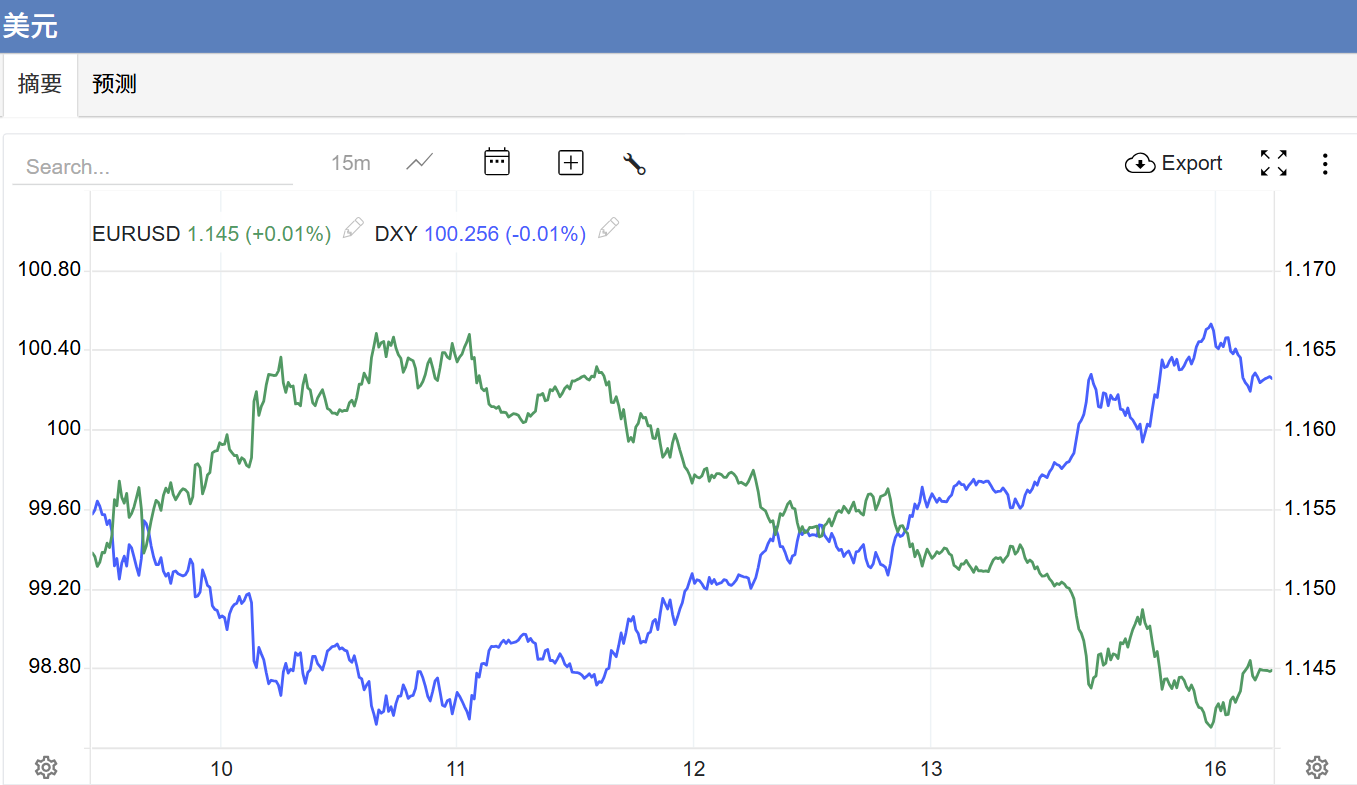
On the very same day the Fed announces its decision, central banks across several major economies—including Japan, the UK, and the Eurozone—will also release their rate decisions, introducing global markets to a true "Super Central Bank Week." Under the shadow of the war with Iran, the US Dollar Index has climbed to a 10-month high, while the Euro has touched a seven-and-a-half-month low.
In equity markets, the S&P 500 index has slid roughly 5% since hitting its all-time high in January, showing a significantly stronger 20-day correlation with oil prices. This highlights a sharp increase in the market's sensitivity to geopolitical risks.
Summary and Outlook
This March Fed meeting will center its core messaging around two major themes: first, how to evaluate geopolitical-driven inflation risks; and second, how to recalibrate the future path of rate cuts. While holding rates steady is a foregone conclusion, Powell's framing during the press conference, the interest rate signals in the latest dot plot, and the official assessment of the oil price shock will jointly dictate how long the market expects this pause to last.
For investors, with the curtain fast falling on the Powell era, a Federal Reserve caught between the crossfires of war and inflation is stepping into a far more uncertain policy phase.