

On March 18, 2026, the Federal Open Market Committee (FOMC) decided to maintain the target range for the federal funds rate at 3.50%–3.75%. The escalation of geopolitical conflict in the Middle East has added a high level of uncertainty to the economic outlook, leading the Committee to adopt a wait-and-see approach as it evaluates the potential impacts of the war on inflation and the labor market.
I. Monetary Policy Action and Voting Record
The Committee decided to maintain the target range for the federal funds rate at 3.50%–3.75%.
- Voting for the interest rate decision (11 members): Jerome H. Powell; John C. Williams; Michael S. Barr; Michelle W. Bowman; Lisa D. Cook; Beth M. Hammack; Philip N. Jefferson; Neel Kashkari; Lorie K. Logan; Anna Paulson; Christopher J. Waller.
- Voting against the decision (1 member): Stephen I. Miran. Governor Miran preferred to lower the target range for the federal funds rate by 25 basis points at this meeting.
II. Economic Conditions and Recent Developments
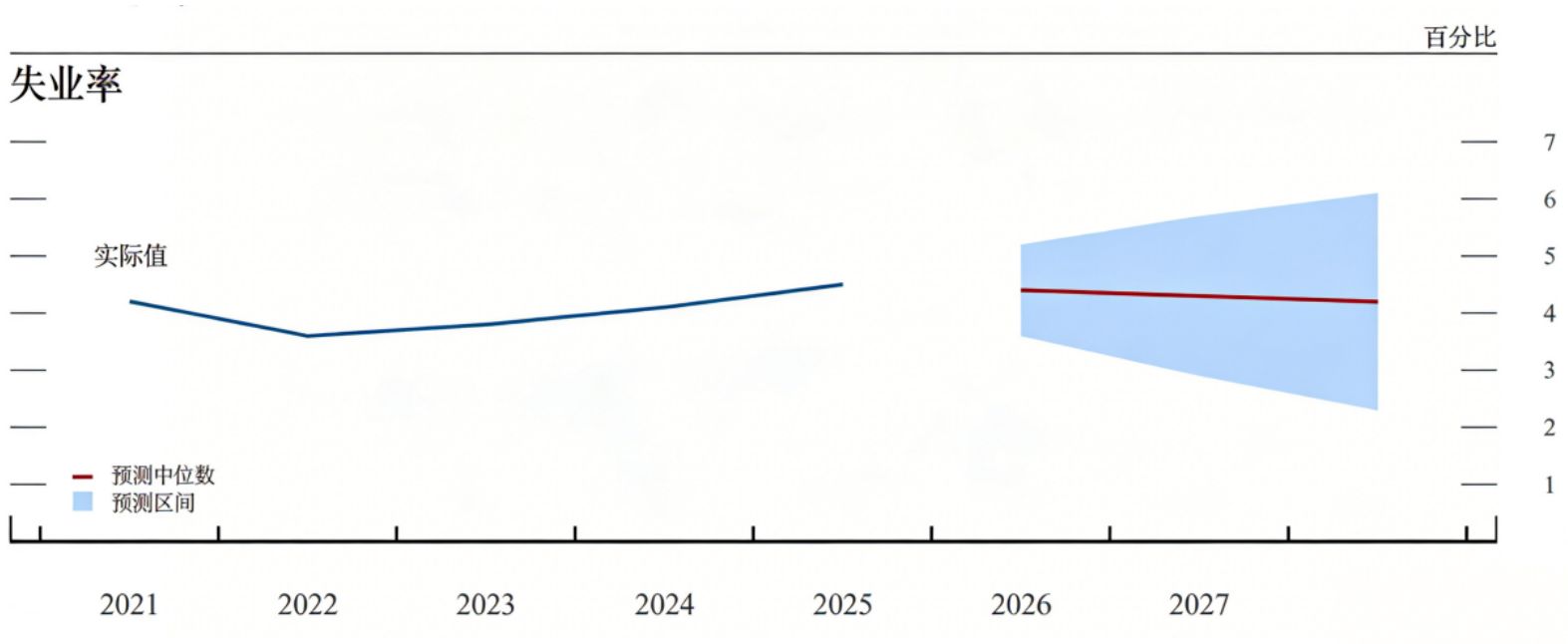
- Labor Market: The unemployment rate stood at 4.4% in February, showing little change since late last summer. Job growth remains sluggish. A key reason for the slowdown in employment growth over the past year is reduced immigration and lower labor force participation, alongside a noticeable softening in labor demand.
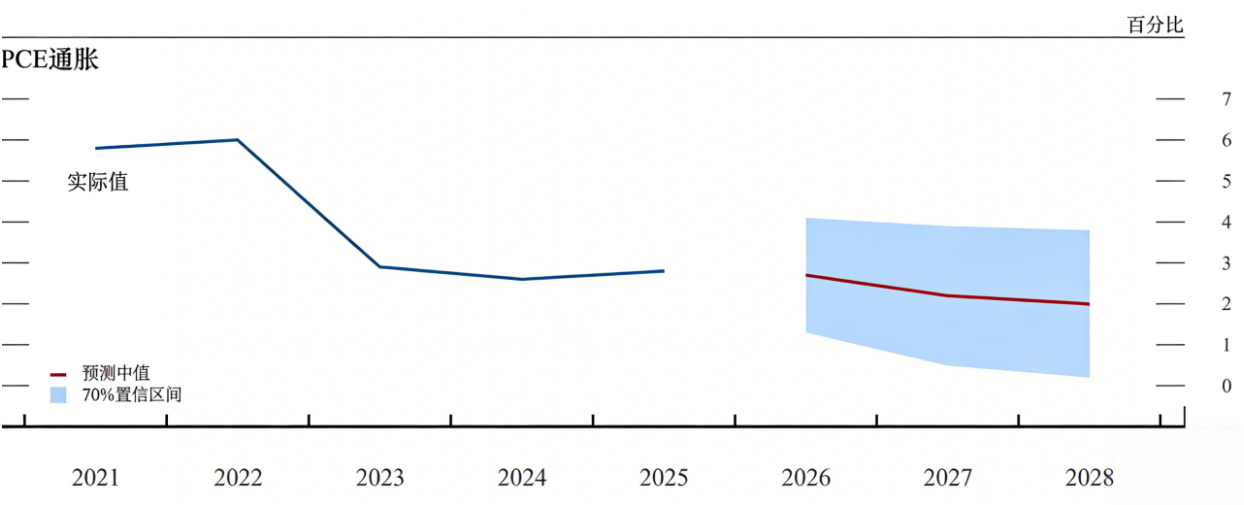
- Inflation: Inflation has come down significantly from its peak in mid-2022 but remains slightly above the long-term 2% target. Estimates based on the Consumer Price Index and other data indicate that headline PCE prices rose 2.8% and core PCE prices rose 3.0% over the 12 months ending in February. This reflects inflation in the goods sector, which has been fueled by tariffs. Short-term inflation expectation indicators have ticked up in recent weeks, likely mirroring the impact of sharp oil price increases caused by supply disruptions in the Middle East. Most long-term projection indicators remain aligned with the 2% inflation goal.
III. Update on Economic Data Projections
IV. Policy Considerations
The Committee decided to keep the policy rate unchanged, judging that the current stance of monetary policy is sufficient to foster progress toward maximum employment and the 2% inflation objective. From last September to December, the Committee cut interest rates by a cumulative 75 basis points, bringing the policy rate within a reasonable estimated range of a neutral level. This normalization of the policy stance should continue to help stabilize the labor market while allowing inflation to resume its downward path toward 2% once the effects of tariffs fade.
The implications of the events in the Middle East remain uncertain. In the short term, surging energy prices will push up headline inflation, but it is too early to judge the potential broader impact on the economy. The Committee will determine the scale and timing of future policy rate adjustments based on incoming data, the evolving outlook, and the balance of risks.
V. Committee Policy Actions
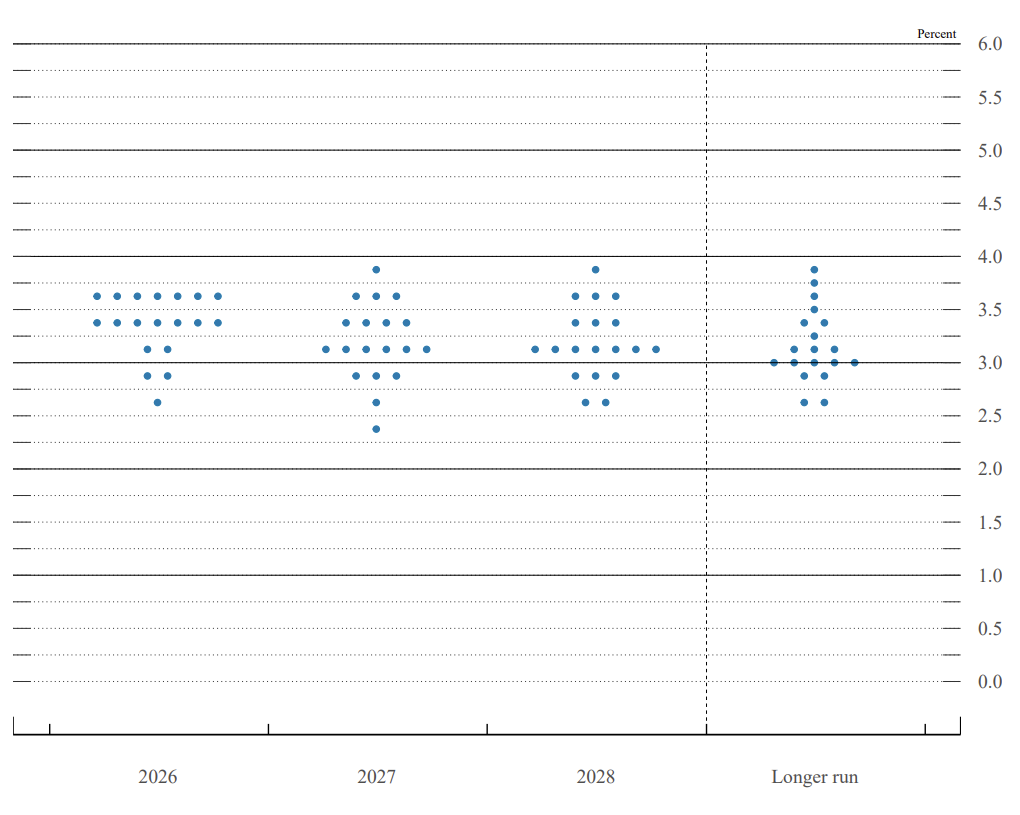
To support its goals, the Committee decided to maintain the target range for the federal funds rate at 3.50% to 3.75%. The Committee is strongly committed to supporting maximum employment and returning inflation to its 2% objective.
In assessing the appropriate stance of monetary policy, the Committee will continue to monitor the implications of incoming information for the economic outlook. If risks emerge that could impede the attainment of the Committee's goals, the Committee stands ready to adjust the monetary policy stance as appropriate.
The Committee will continue to maintain ample reserve levels by purchasing short-term Treasury securities (primarily Treasury bills) and will keep the existing rate structure for standing repo operations.
Conclusion
This March meeting marks a choice by the Federal Reserve to hold the policy rate steady amid a complex and shifting geopolitical landscape. The spike in oil prices triggered by the Middle East conflict has injected fresh upward pressure into the inflation outlook, while its potential dampening effect on economic growth remains difficult to quantify, leaving the Committee facing two-way risks.
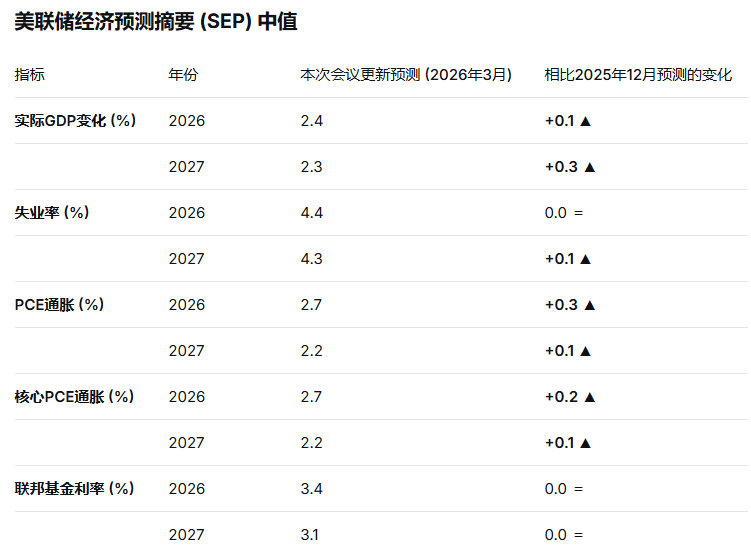
The Summary of Economic Projections shows that officials revised up their inflation forecasts for 2026 while modestly upgrading economic growth expectations, though the median path for the policy rate held flat compared to last December. Confronted with uncharted uncertainties, the Fed reiterated that its policy path will remain strictly data-dependent, leaning on the evolving outlook and the balance of risks as it maintains a highly cautious wait-and-see stance in the months ahead.