

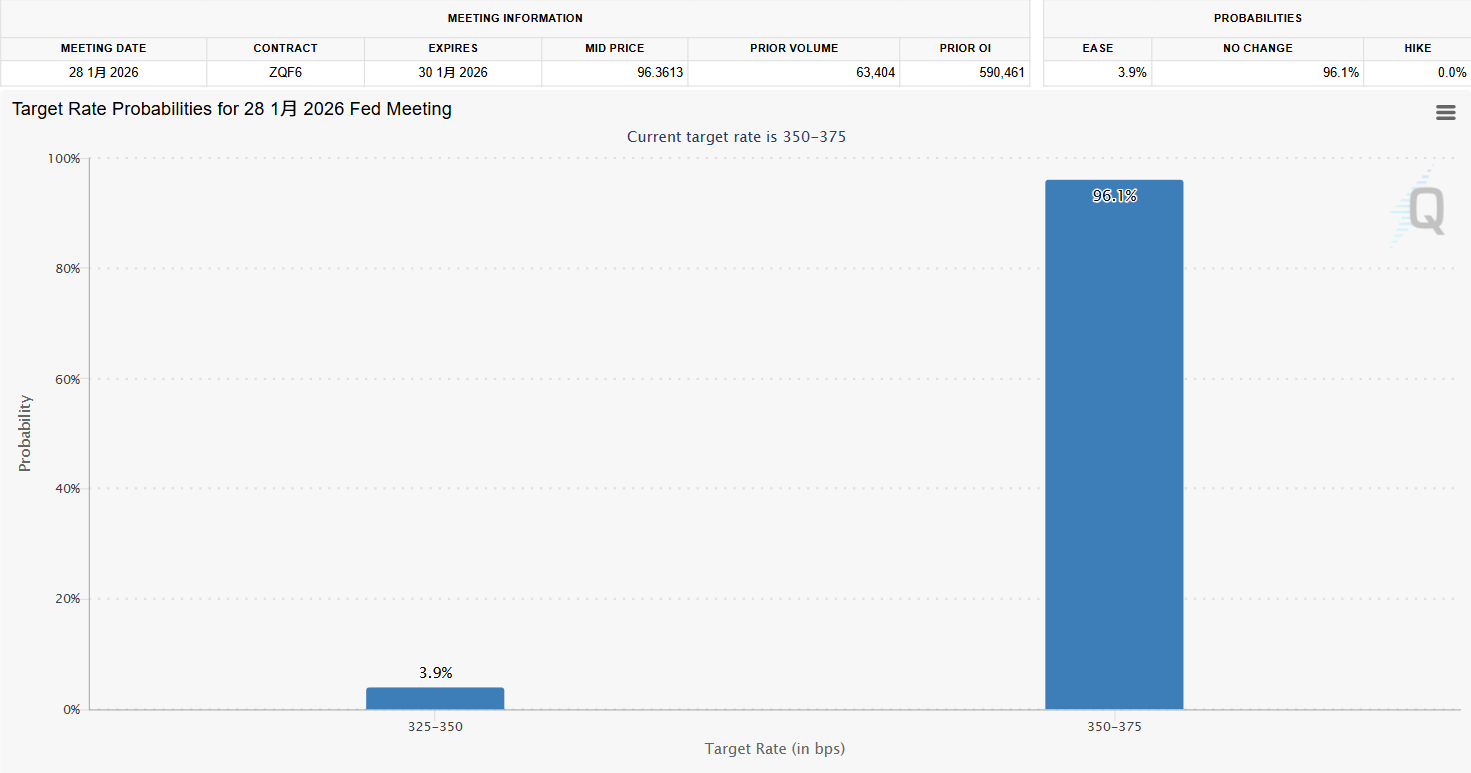
The two-day Fed January policy meeting begins on January 27 Eastern Time, and the market widely expects the FOMC to hold the benchmark interest rate steady in the 3.50%–3.75% range. The suspense of this meeting is not about whether to cut rates, but rather the policy direction for the rest of the year and how Fed Chair Jerome Powell will handle an increasingly complex political environment.
I. Economic Data Supports a "Tactical Pause"
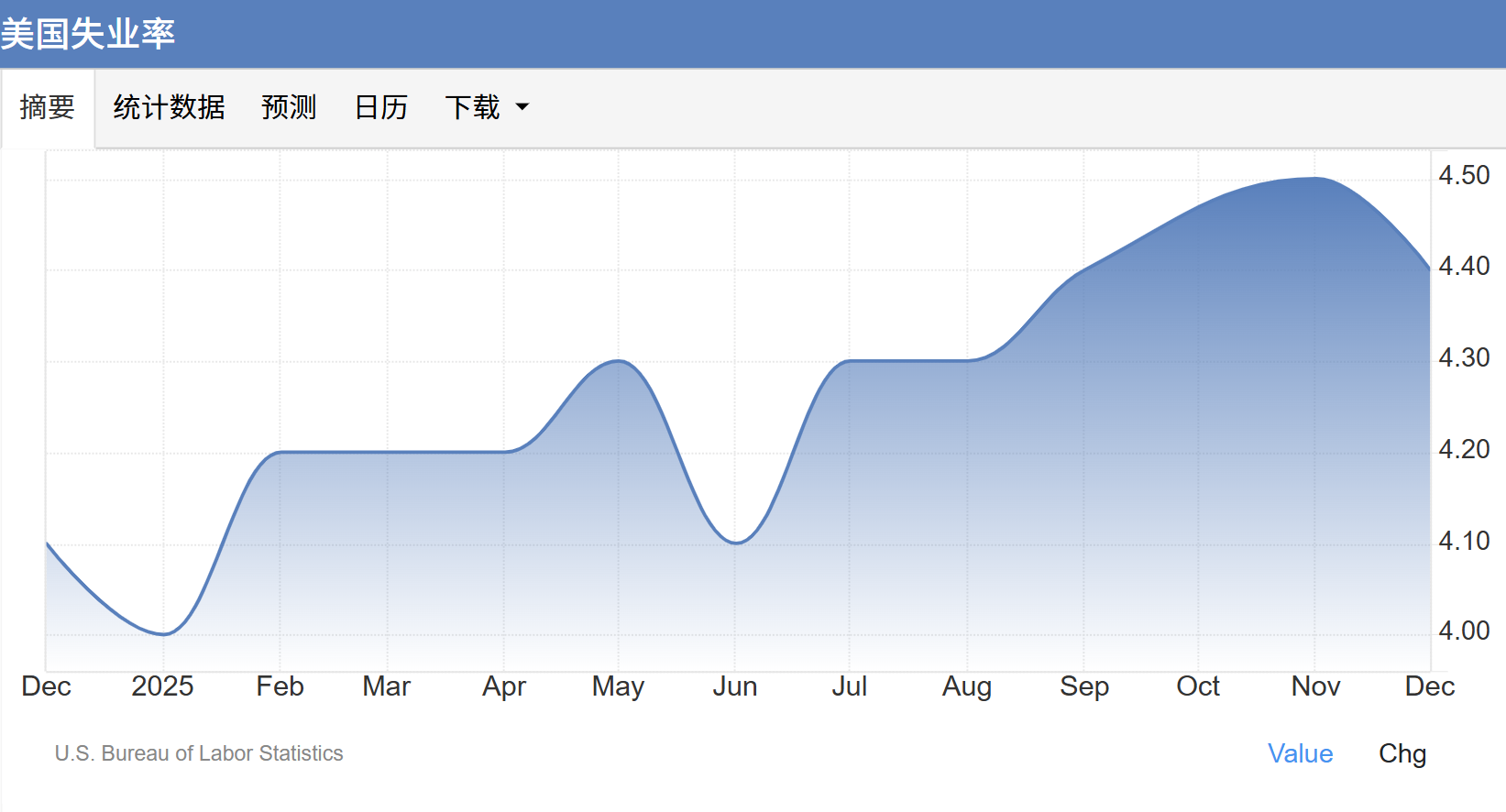
Since launching the rate-cut cycle last September, the Federal Reserve has delivered a cumulative 75 basis points of cuts. Recent data shows that while the US labor market is seeing soft growth, the December unemployment rate pulled back to 4.4%, and consumer spending and economic growth remain resilient.
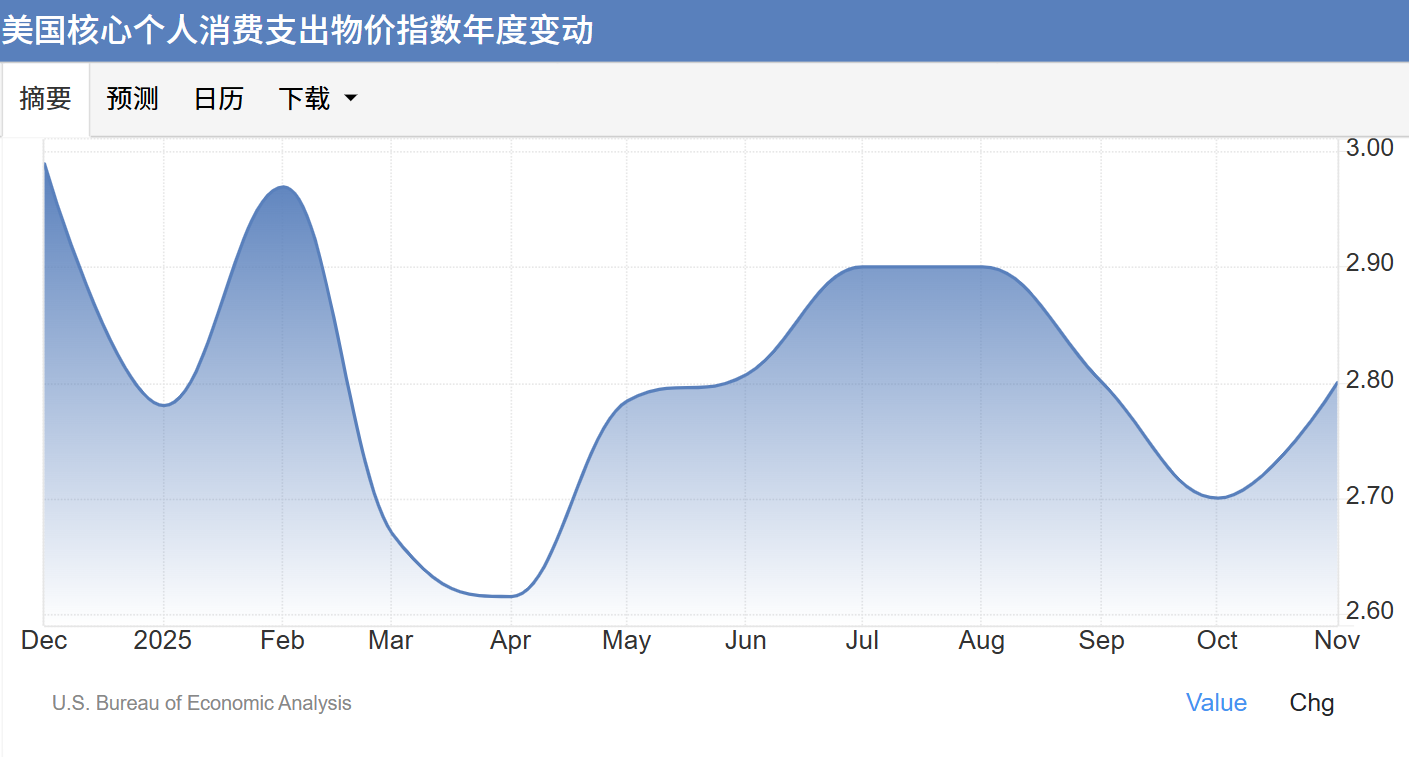
Meanwhile, the key inflation gauge, PCE, is still running above the 2% target. As Morgan Stanley pointed out, this pause is a tactical adjustment based on recent data rather than a return to a tightening cycle. The FOMC statement is expected to upgrade its assessment of economic growth from moderate to solid and remove the phrasing regarding increased downside risks to employment.
II. Internal Divisions Persist, but a "Dovish Pause" Is the Mainstream Expectation
Divisions within the Fed over the policy path remain highly visible. Hawkish officials believe inflationary pressures are stubborn and favor keeping interest rates unchanged, while dovish members like Governor Miran might advocate for more aggressive easing. However, multiple institutions, including Morgan Stanley, expect the Fed to opt for a dovish pause—meaning it will keep the phrase "considering further adjustments to the target range" in its statement, keeping options open for future rate cuts.
During the press conference, Powell will likely defend the rate pause by pointing to economic growth and stabilizing employment data. He will also likely emphasize confidence in inflation returning to target and could voice optimism about a soft landing driven by productivity gains, such as AI applications.
III. Rate Cut Timeline Is Pushed Back, Political Pressure Takes Center Stage
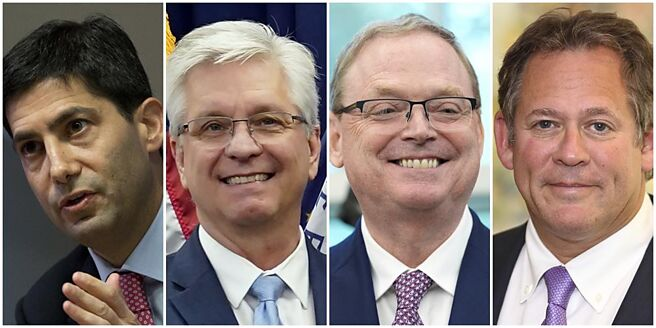
The market's focus has clearly shifted from whether to cut rates to when to resume them. Current federal funds rate pricing indicates that market expectations for a near-term rate cut are evaporating, while Powell's term as chair concludes in May. This means any future rate-cutting moves will likely be spearheaded by his successor.
This timeline shift makes the issue of the Fed's independence another core theme of the meeting. Recent reports surrounding the Trump administration attempting to use legal avenues to pressure the Fed into cutting rates, alongside its desire to bypass standard procedures to fill board seats, have stoked market anxieties over central bank independence.
Although a Supreme Court hearing regarding these personnel matters has temporarily eased market worries over immediate risks, how Powell responds to questions about political pressure and central bank independence during the press conference will be a key highlight.
IV. Divergence in Institutional Views
- The Cautious Observers: Bank of Montreal (BMO), for instance, believes that the Fed currently faces no urgency to take action of any kind, and that the statement might lean hawkish.
- The Long-Term Holders: J.P. Morgan even predicts that the Fed will keep interest rates unchanged for the entire year, suggesting that the next move might be a rate hike in 2027.
- The Successor-Driven Easing Proponents: Firms like Nomura Securities believe the Fed will remain on hold until May, but that the new leadership team could push for additional rate cuts later this year.
Conclusion
This Federal Reserve meeting is expected to deliver a dovish pause, acknowledging economic resilience while leaving the door open for future easing. However, against a backdrop of noisy economic data, internal policy splits, and escalating external political pressure, how Powell balances policy communication with safeguarding central bank independence will steal the spotlight from the rate decision itself.
Furthermore, market speculation surrounding a policy shift in the post-Powell era will be highly watched, as the wait for the next rate cut will very likely be closely tied to the transition of Federal Reserve leadership.