

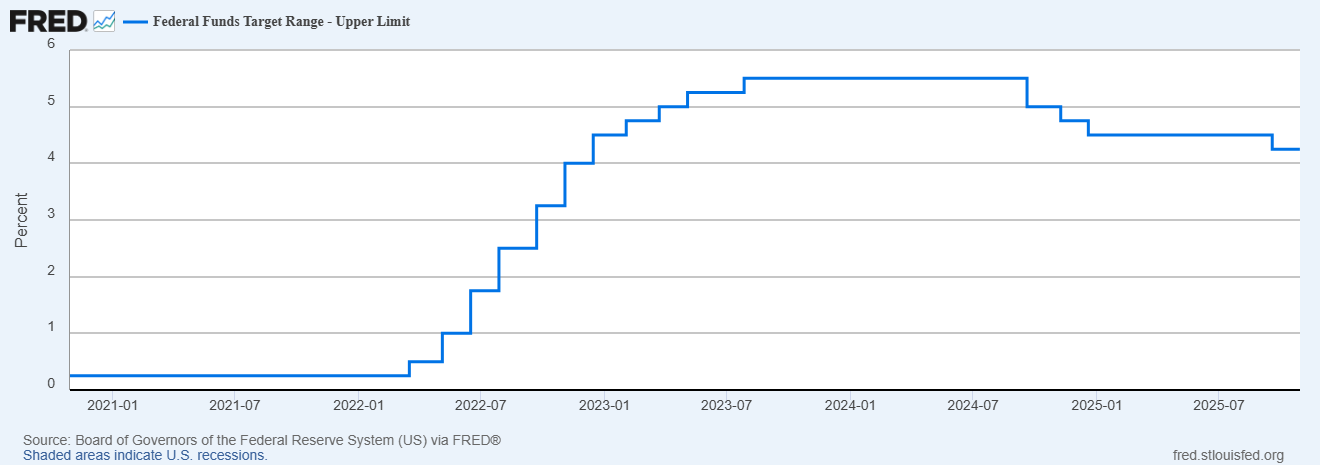
On October 29, 2025, the Federal Reserve announced a 25-basis-point cut to the target range for the federal funds rate, bringing it down to 3.75%–4.00%. This extends the easing cycle, while the central bank also decided to end its balance sheet reduction, known as quantitative tightening (QT), effective December 1.
The meeting minutes showed that committee members remain focused on downside risks to employment, though the persistence of tariff-driven inflation raised concerns. Newly appointed Governor Stephen I. Miran cast another dissenting vote, pushing for a 50-basis-point rate cut, while Kansas City Fed President Jeffrey R. Schmid advocated for keeping rates unchanged. This marked the first two-way dissent since 2019. Here is a breakdown of the core elements from the meeting:
I. Core Meeting Content: Easing Continuation and Policy Divisions
1. Interest Rate Decision: A 25-Basis-Point Cut and Two-Way Dissents
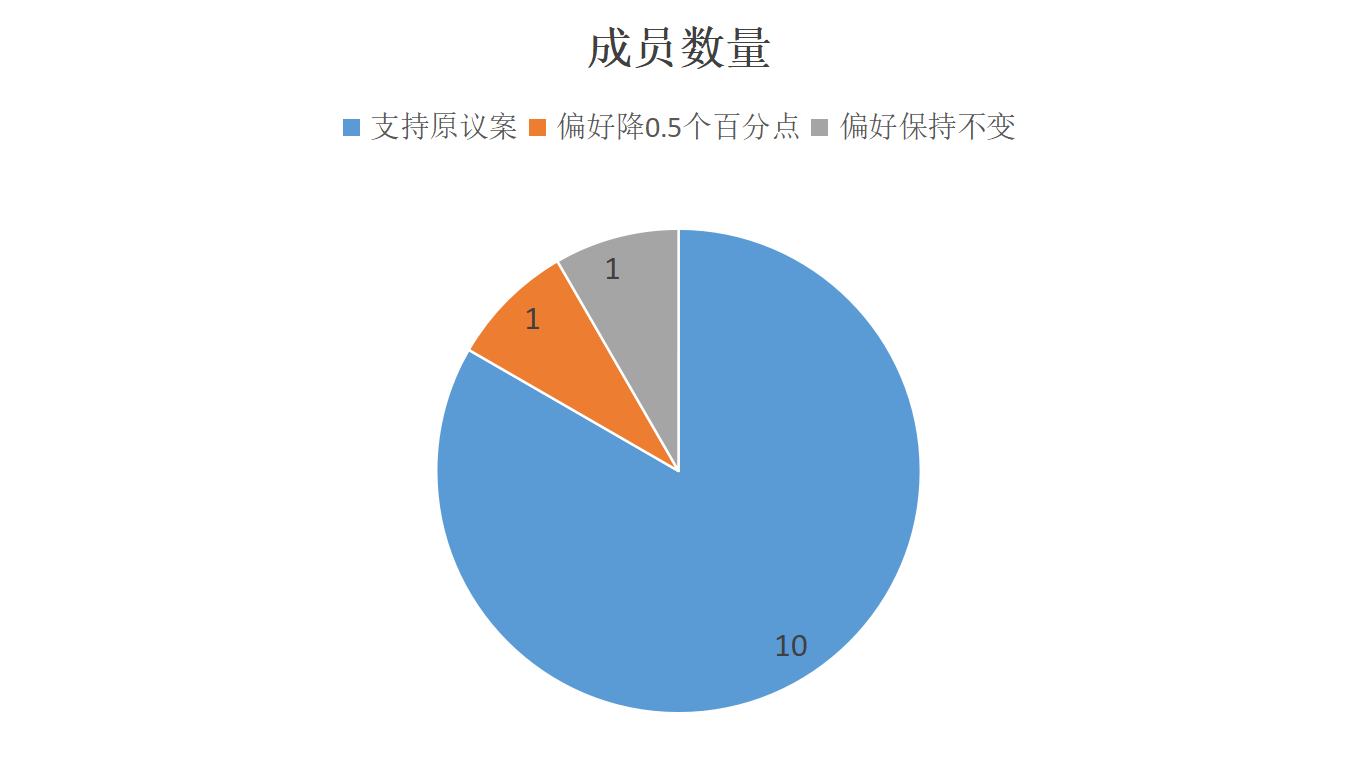
The FOMC passed the resolution to cut interest rates by 25 basis points by a 10–2 vote, lowering the target range for the federal funds rate to 3.75%–4.00%.
Stephen I. Miran advocated for a 50-basis-point cut, pointing to further cooling in the labor market, actual inflation nearing the 2% target, and a lower neutral interest rate driven by adjustments to tariff and immigration policies.
Jeffrey R. Schmid, on the other hand, pushed to keep rates unchanged, highlighting upside risks to inflation. The majority of members felt that gradual rate cuts would help balance risks, though they noted a need to stay vigilant against data uncertainty.
Fed Chair Jerome Powell emphasized that further rate cuts in December are "far from a done deal" and that there are "strongly differing views" within the committee, meaning policy is not on a preset track.
2. Economic Assessment: Moderate Growth and Rising Downside Risks to Employment
Committee members generally agreed that economic growth expanded at a moderate pace of 1.6% in the first half of the year, slowing down from last year's 2.4%. Data available before the shutdown indicated that economic growth might be slightly stronger than expected, primarily driven by consumer spending. However, the federal government shutdown will temporarily drag on economic activity, a trend expected to reverse once it ends.
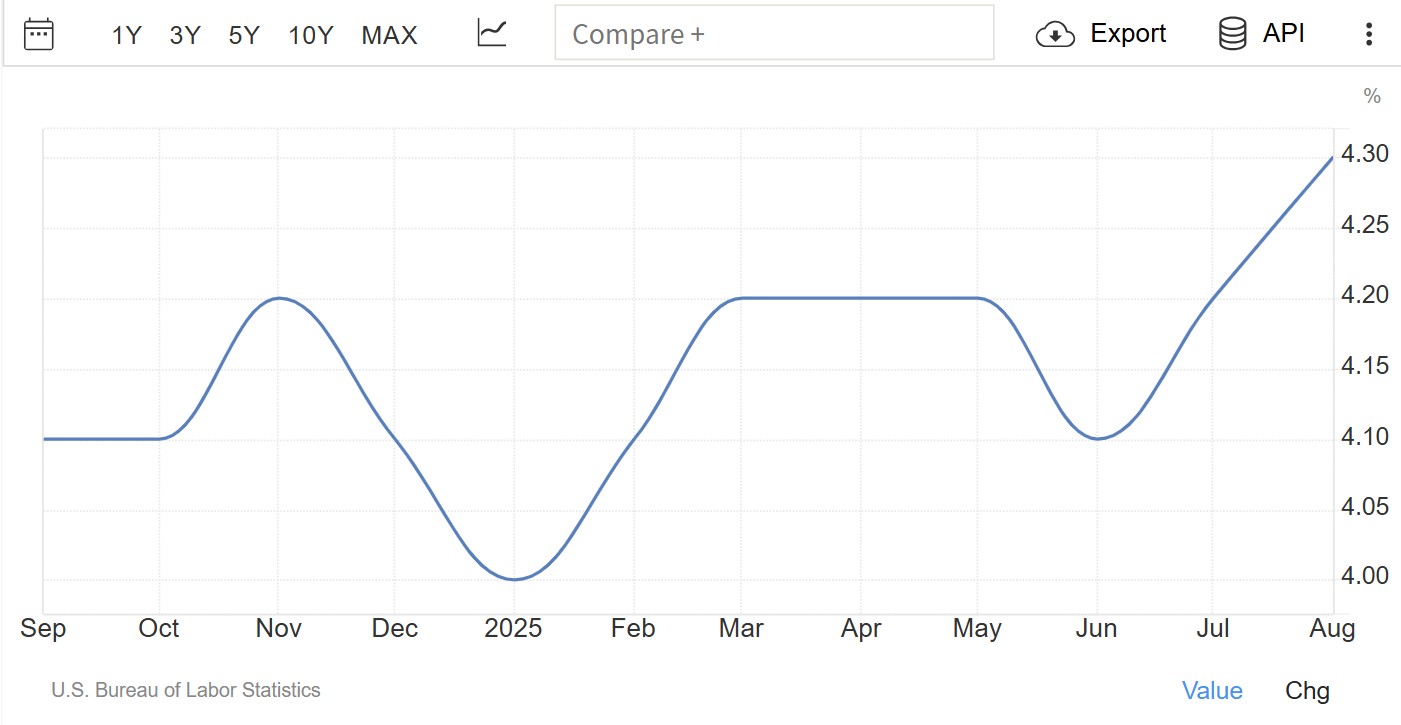
The labor market is cooling down gradually, with job growth slowing down significantly. Projections based on August data suggested that the unemployment rate should keep rising, but official September data has been delayed due to the shutdown. Available evidence shows that both layoffs and hiring are low, while job openings and hiring difficulties continue to decline. Downside risks have risen in recent months, providing long-term support for gold prices. Powell pointed out that labor demand has "slowed down noticeably," partly due to reduced immigration and a drop in the labor force participation rate.
II. Economic Outlook and Risk Assessment
1. Inflation Expectations and Risks Tilted to the Upside
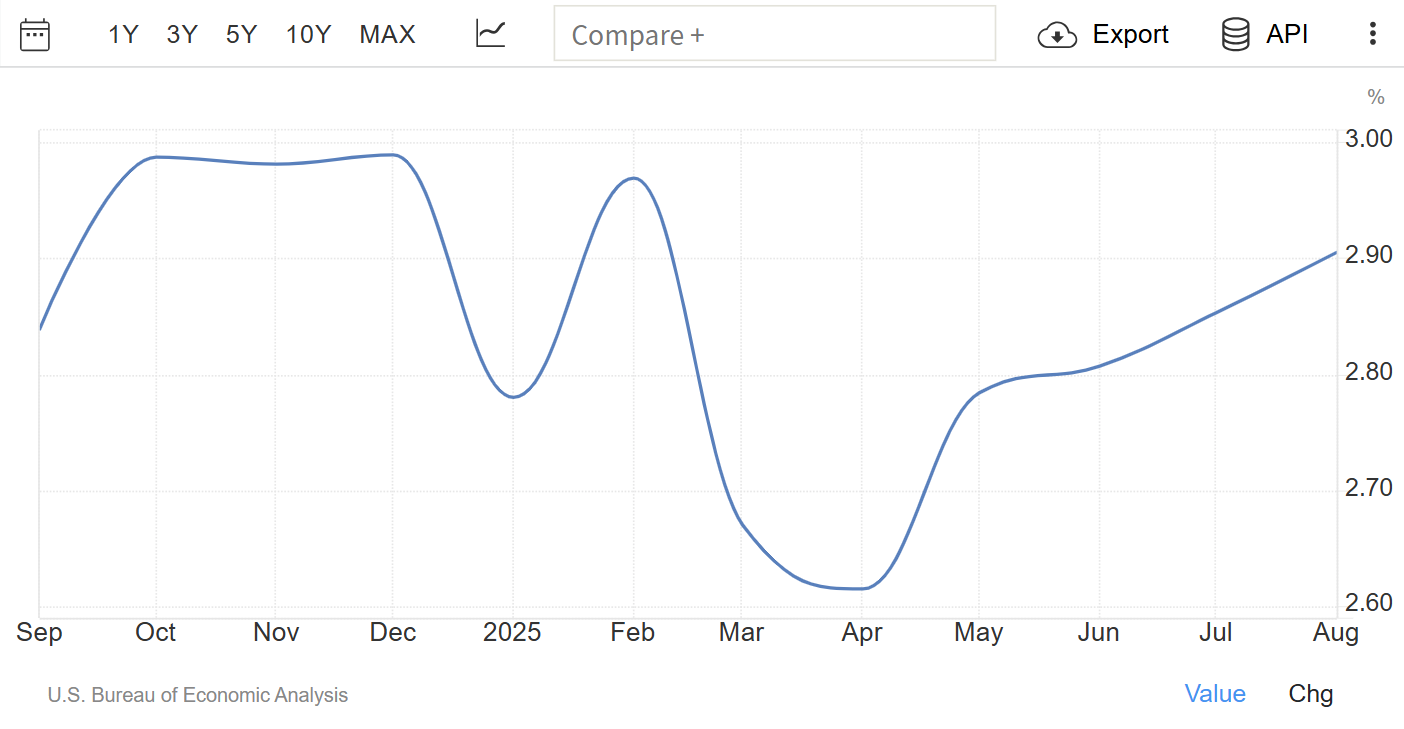
The PCE inflation projection for September 2025 stands at 2.8%, which is expected to cool down to 2.4% in 2026 and stabilize at the 2% target by 2027. Most members believed that inflation risks are tilted to the upside, primarily due to the persistence of tariffs and the potential risk of unanchoring inflation expectations. However, other members noted that productivity gains and cooling demand could keep inflation in check. Powell reiterated that the Fed will ensure that a one-time increase in the price level caused by tariffs does not turn into an ongoing inflation problem.
2. The Policy Rate Path
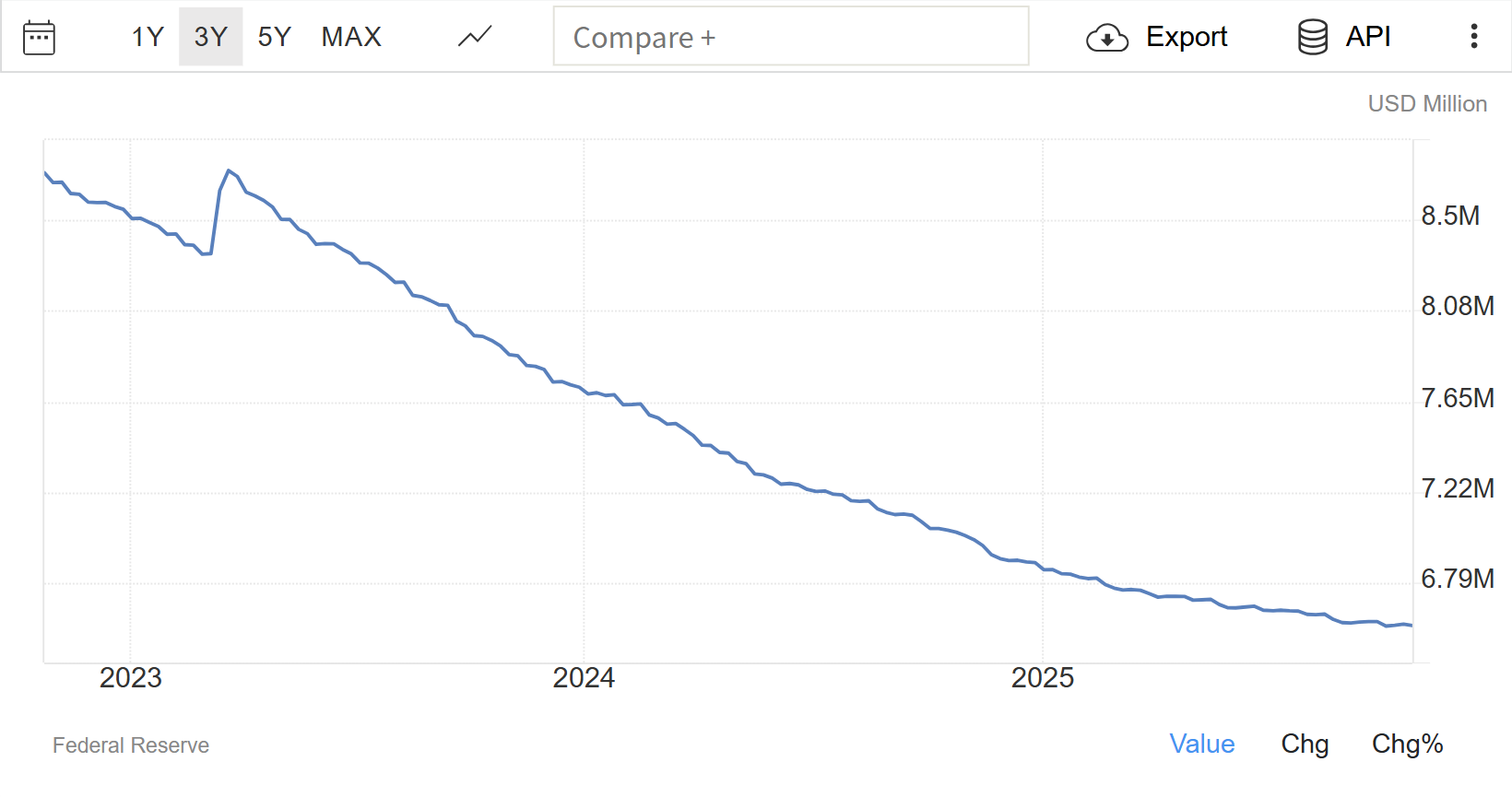
The path for the federal funds rate points to a gradual downward adjustment, with policy currently being "modestly restrictive," sitting 150 basis points closer to the neutral interest rate than it did a year ago. Members emphasized that future policy steps will be data-dependent, flexibly adjusting based on employment, inflation, and financial data. With QT ending on December 1, the balance sheet has been reduced by a cumulative $2.2 trillion so far, shrinking its share of nominal GDP from 35% down to 21%.
Conclusion
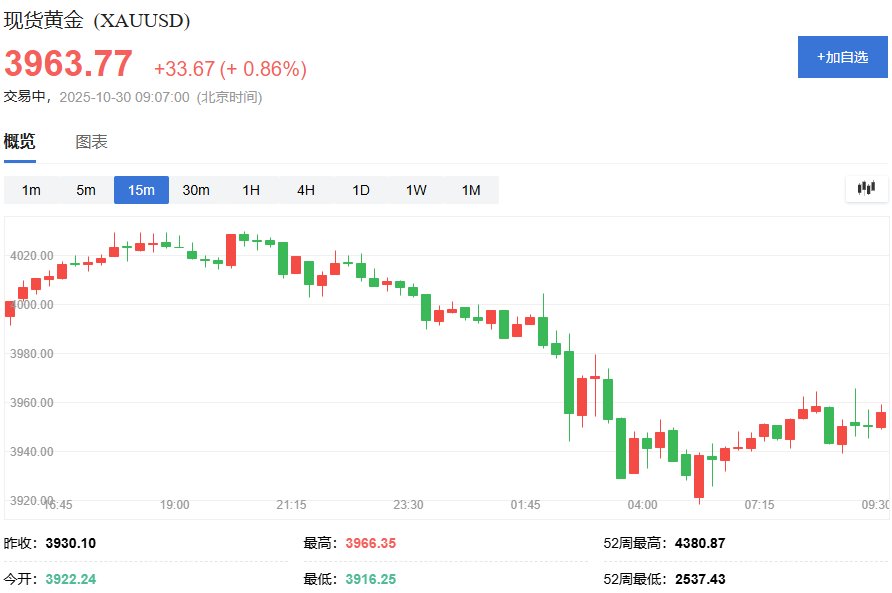
Powell's hawkish commentary triggered market volatility, forcing the gold market into a pullback following the rate cut. During the Asian session on Wednesday, October 30 (Beijing Time), gold prices briefly cleared the $4,020.00 per ounce mark before ultimately closing at $3,930.10. Despite facing short-term pressure, geopolitical risks and economic uncertainties continue to provide long-term support.
The Fed's October meeting extended the rate cuts, but Powell's cautious stance regarding a December move highlights widening internal divisions, reflecting a complex balancing act between prioritizing employment and controlling inflation. Although inflation is closing in on the target, tariff uncertainties and missing data have heightened the need for policy flexibility. Moving forward, policy will heavily rely on the resumption of data releases, particularly employment reports, inflation dynamics, and the impacts of trade negotiations.